

The Gathering Storm: Why Battery Storage is the New Frontier in Grid Security
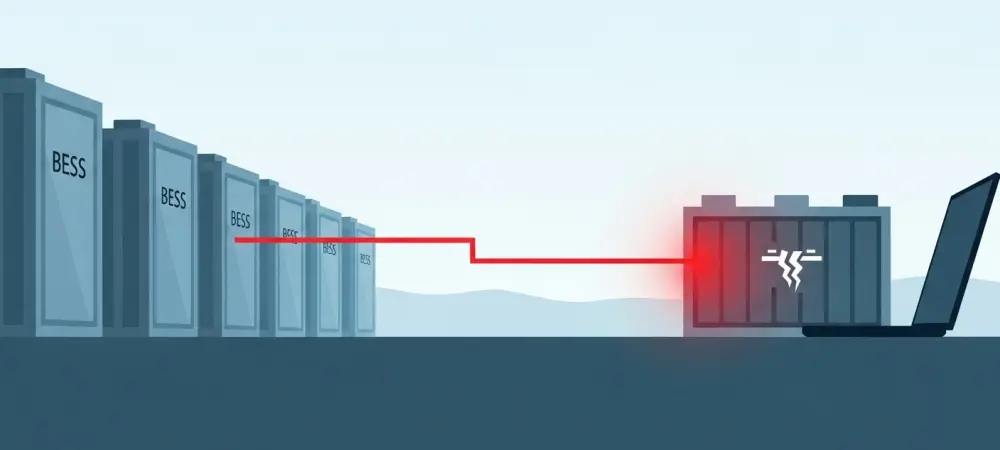
As the world transitions toward a decarbonized and electrified future, grid-scale battery energy storage systems (BESS) have emerged as an indispensable component of modern power infrastructure. These systems are no longer a niche technology but the lynchpin for grid stability, enabling the seamless integration of renewable energy sources and meeting unprecedented demand. However, a joint white paper from security experts at Brattle Group and Dragos sounds a stark alarm: this rapid ascent has turned BESS into a high-value, and dangerously vulnerable, target for sophisticated cyber adversaries. This article explores the escalating threats facing this critical sector, analyzing the unique vulnerabilities, the dangerous actors at the gate, and the potentially catastrophic consequences of a successful attack. The central finding is a clear and urgent consensus: immediate, decisive action is required to fortify these systems against a new wave of cyber warfare.
From Niche Technology to Linchpin of the Modern Grid
The significance of battery storage in the energy ecosystem has undergone a dramatic transformation. Initially viewed as a supplementary asset, BESS are now foundational to the reliability and resilience of the U.S. power grid. This shift is driven by two powerful forces. First, an explosive surge in power demand, largely fueled by the proliferation of energy-hungry data centers essential for AI and cloud computing. Second, the massive build-out of variable renewable energy sources like solar and wind, which require robust storage solutions to balance their intermittent output. This growing dependence means that BESS are no longer just supporting the grid; in many regions, they are becoming the grid’s primary stabilizing force. This newfound criticality is precisely what makes them an irresistible target for nation-state and criminal groups seeking to sow chaos and disrupt national infrastructure.
Deconstructing the Threat: Vulnerabilities, Actors, and Consequences
A Widening Security Gap: Rapid Deployment Outpaces Defense
The primary vulnerability facing the BESS sector stems from its own breakneck growth. Projections estimate that BESS deployments will expand by a staggering 20% to 45% annually over the next five years. This rapid rollout is creating a significant window of vulnerability, as the development and implementation of robust, tailored cybersecurity measures are failing to keep pace. Each new interconnected system expands the potential attack surface, often relying on industrial control systems (ICS) that can be targeted remotely. Security experts warn that this gap between rapid deployment and lagging defense creates a dangerously permissive environment for attackers to exploit, turning a critical energy asset into a potential point of catastrophic failure.
The Adversaries at the Gate: Nation-States and Sophisticated Threat Groups
The threats facing BESS are not theoretical; they are active, persistent, and highly sophisticated. Dragos is currently monitoring approximately 18 distinct threat groups with the capability and intent to attack electrical grids. Among the most concerning are state-linked actors, such as the group Volt Typhoon (tracked by Dragos as Voltzyte), which has been observed actively probing the U.S. energy sector. These groups are motivated by complex geopolitical goals, including a strategic desire to pre-position themselves to disrupt critical infrastructure during a potential military conflict or to gain a competitive edge in the global race for AI and clean energy dominance. Their methods are advanced, often employing custom malware designed to manipulate industrial control systems and “living off the land” tactics, which use a system’s own legitimate tools to carry out malicious activities and evade detection.
Calculating the Catastrophe: The Staggering Cost of a BESS Breach
A successful cyberattack on a BESS facility would have immediate and severe consequences that extend far beyond a simple power outage. The Brattle Group and Dragos report quantifies the potential impact in stark financial and economic terms. Even a relatively minor, four-hour disruption of a 100-megawatt storage system could result in $1.2 million in lost revenue. A larger-scale, more coordinated incident impacting 100,000 customers for a full day could trigger an economic loss of $39 million. These figures, however, only hint at the true cost. A strategic attack could cause significant regional power disruptions, undermine public trust in the grid, and potentially trigger cascading failures across other interconnected critical infrastructure sectors, from transportation to communications.
The Road Ahead: Navigating an Evolving Threat Landscape
Looking forward, the cyber threat to grid battery storage is set to become even more complex. As BESS technology integrates more deeply with AI-driven grid management platforms and the Industrial Internet of Things (IIoT), new and unforeseen vulnerabilities will inevitably emerge. Threat actors will continue to refine their techniques, developing malware that is stealthier and more destructive. In response, the industry can expect a push toward new regulatory frameworks and mandatory cybersecurity standards for BESS operators. Securing these assets will no longer be an IT-department concern but a central pillar of corporate governance and national energy security policy, demanding continuous adaptation to stay ahead of an ever-evolving adversary.
Forging a Resilient Future: A Strategic Blueprint for BESS Security
The consensus among security experts is clear: the BESS industry must move from a reactive to a proactive security posture. Summarizing the core findings—rapid growth, lagging security, sophisticated actors, and severe consequences—points to the urgent need for a unified strategy. Actionable recommendations include embedding “security by design” principles into the earliest stages of project development, not as an afterthought. Operators must implement continuous threat monitoring and hunting tailored to the unique operational technology (OT) and ICS environments of BESS facilities. Furthermore, fostering robust public-private partnerships to share threat intelligence is crucial for collective defense. Finally, regular vulnerability assessments, penetration testing, and the development of practiced, BESS-specific incident response plans are essential to ensure these vital systems can withstand a determined attack.
An Urgent Call to Action: Securing the Power Grid’s Future
Battery energy storage systems are fundamental to building a clean, reliable, and resilient energy future. Yet, this very importance makes them a prime target for those who wish to disrupt it. The rapid expansion of BESS, while critical for progress, has inadvertently created a new and vulnerable frontier in the ongoing battle to secure national infrastructure. Inaction is not an option when the stability of the entire power grid is at stake. The industry, regulators, and government partners must act decisively and collaboratively to fortify these assets. Securing our grid’s batteries is no longer just a technical challenge; it is an urgent strategic imperative for national security.