
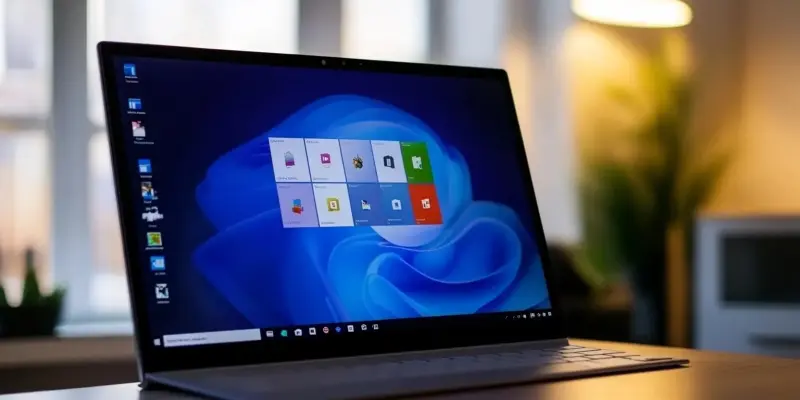
Customizing Windows 11: Revitalize with Classic Layouts and New Themes

Article Highlights
Off On

With Windows 11’s release, users are grappling with changes like the centered taskbar and revamped Start menu. These new features don’t appeal to everyone, resulting in mixed reactions from Windows fans who miss the traditional layout. While innovative, this transformation has stirred up demand for solutions to bring back classic Windows themes and familiar experiences.

To address this, several third-party tools have been developed to restore cherished elements from earlier Windows versions. One standout is Windows Vista 2025 Edition, combining the nostalgic design of Windows Vista with the advanced features of Windows 11. This unique hybrid appeals to those who want the comfort of a traditional look without losing modern functionalities.

For users open to new enhancements, the Windows 20 Style Theme, also known as Windows 23, is a compelling option. It refreshes Windows 11, improving visual appeal and functionality. Should it not meet user expectations, it can be easily uninstalled, showcasing its flexibility. A video tutorial by LinkVegas guides users through the installation process, recommended to be first tested on a virtualized Windows 11 using VirtualBox.

The necessary installation files for the Windows 20 Style Theme are available on GitHub, highlighting the open-source community’s role in customization options. These themes and tools emphasize personalization trends in the tech industry, offering pathways to modify Windows 11. Users can either revive nostalgic elements from past versions or embrace new designs that enhance satisfaction. This focus on tailored user experiences highlights a shift in modern computing, where individual preference and control are essential.

Explore more

AI Redefines Software Engineering as Manual Coding Fades

The rhythmic clacking of mechanical keyboards, once the heartbeat of Silicon Valley innovation, is rapidly being replaced by the silent, instantaneous pulse of automated script generation. For decades, the ability to hand-write complex logic in languages like Python, Java, or C++ served as the ultimate gatekeeper to a world of prestige and high compensation. Today, that gate is being dismantled

Is Writing Code Becoming Obsolete in the Age of AI?

The 3,000-Developer Question: What Happens When the Keyboard Goes Quiet? The rhythmic tapping of mechanical keyboards that once echoed through every software engineering hub has gradually faded into a thoughtful silence as the industry pivots toward autonomous systems. This transformation was the focal point of a recent gathering of over 3,000 developers who sought to define their roles in a

Skills-Based Hiring Ends the Self-Inflicted Talent Crisis

The persistent disconnect between a company’s inability to fill open roles and the record-breaking volume of incoming applications suggests that modern recruitment has become its own worst enemy. While 65% of HR leaders believe the hiring power dynamic has finally shifted back in their favor, a staggering 62% simultaneously claim they are trapped in a persistent talent crisis. This paradox

AI and Gen Z Are Redefining the Entry-Level Job Market

The silent hum of a server rack now performs the tasks once reserved for the bright-eyed college graduate clutching a fresh diploma and a stack of business cards. This mechanical evolution represents a fundamental dismantling of the traditional corporate hierarchy, where the entry-level role served as a primary training ground for future leaders. As of 2026, the concept of “paying

How Can Recruiters Shift From Attraction to Seduction?

The traditional recruitment funnel has transformed into a complex psychological maze where simply posting a vacancy no longer guarantees a single qualified applicant. Talent acquisition teams now face a reality where the once-reliable job boards remain silent, reflecting a fundamental shift in how professionals view career mobility. This quietude signifies the end of a passive era, as the modern talent