

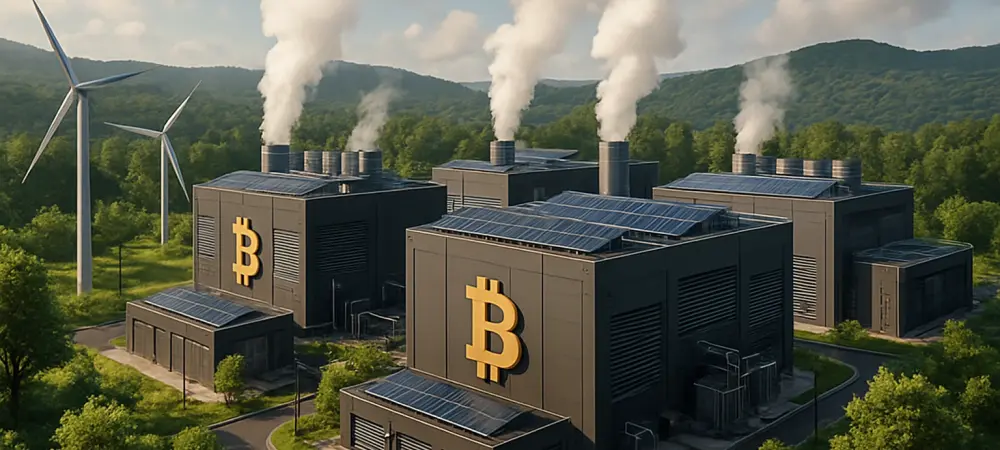
The cryptocurrency market, a powerhouse of digital innovation, is grappling with an energy consumption challenge that could define its trajectory for years to come, as Bitcoin mining alone is estimated to consume more electricity annually than some mid-sized nations. The environmental footprint of this industry has become a pressing concern for investors, regulators, and tech leaders alike. This market analysis delves into the intersection of crypto’s energy demands and the rise of sustainable data centers as a potential solution, exploring current trends, data-driven insights, and future projections. The purpose is to uncover how the sector can balance explosive growth with environmental responsibility, ensuring long-term viability in an increasingly eco-conscious global economy.
Decoding the Energy Impact on Crypto Markets
The cryptocurrency industry’s energy appetite has surged alongside its market capitalization, creating a unique tension between profitability and sustainability. Bitcoin and Ethereum, as leading players, rely on complex computational processes to validate transactions, with Bitcoin’s proof-of-work mechanism driving massive electricity usage. Data centers, the backbone of these operations, often draw power from fossil fuel-heavy grids, contributing to a carbon footprint that critics argue undermines the sector’s progressive ethos. Market reports indicate that the energy consumed by global crypto mining operations rivals that of entire industries like aviation in certain regions, casting a shadow over investor confidence as environmental, social, and governance (ESG) criteria gain traction.
This energy-intensive model has also sparked volatility in operational costs for miners, particularly in regions where electricity prices fluctuate or are tied to non-renewable sources. The financial implications are stark: as mining difficulty increases, so does the need for more powerful hardware and greater power input, squeezing profit margins for smaller players. Larger firms, meanwhile, face public and regulatory scrutiny, with some jurisdictions imposing energy caps or taxes on high-consumption industries. This dynamic underscores a critical market risk—sustainability is no longer just an ethical issue but a financial one, shaping how stakeholders evaluate the long-term potential of digital currencies.
Sustainable Data Centers: A Market Disruptor
Renewable Energy Adoption Driving Cost Stability
A transformative trend in the crypto market is the pivot toward sustainable data centers powered by renewable energy sources such as solar, wind, and hydroelectric power. These facilities offer a dual benefit: slashing carbon emissions while providing predictable energy costs, a boon for miners navigating volatile electricity markets. Regions like Iceland and parts of Canada have emerged as hubs for green data centers, leveraging natural resources and cool climates to minimize cooling expenses. Market analysis suggests that firms adopting these solutions could see operational cost reductions of up to 30% over a five-year horizon, enhancing competitiveness in a crowded field.
However, the transition to renewables is not without hurdles. Upfront capital for infrastructure can deter smaller operators, and inconsistent energy supply in certain geographies poses reliability risks. Despite these challenges, investment in green data centers is accelerating, with industry forecasts predicting a compound annual growth rate of 12% for sustainable tech adoption in crypto operations from 2025 to 2030. This trend signals a broader market shift where environmental responsibility could become a key differentiator, attracting ESG-focused capital and partnerships.
Technological Innovations Bolstering Efficiency
Beyond energy sourcing, sustainable data centers are reshaping the market through cutting-edge cooling technologies and energy-efficient hardware. Liquid cooling systems and free cooling methods, which utilize ambient air or water, are reducing the power needed to prevent server overheating—a significant expense in traditional setups. Major cloud providers supporting crypto operations have reported energy savings of 20-40% after implementing such innovations, setting a benchmark for the industry. Market data points to a growing adoption rate, with projections estimating that over half of new data centers built for blockchain activities by 2027 will incorporate these advanced systems.
The integration of artificial intelligence to optimize data center operations further amplifies this trend. AI-driven tools can predict peak computational loads, adjusting power usage to avoid waste, a feature that resonates with cost-conscious miners. While retrofitting older facilities remains a financial barrier for some, the long-term savings and regulatory goodwill associated with efficiency gains are driving market interest. This technological wave is poised to redefine operational standards, positioning early adopters as leaders in a sustainability-focused crypto landscape.
Geographic and Policy Dynamics Shaping Investment
Geographic advantages and policy frameworks are critical factors influencing the market for sustainable data centers in crypto. Areas with abundant clean energy, such as Scandinavia, are witnessing an influx of mining operations, supported by government incentives like tax breaks for renewable energy usage. Market analysis highlights that these regions offer electricity costs up to 50% lower than coal-dependent areas, creating a compelling case for relocation or strategic partnerships. This disparity is reshaping investment flows, with venture capital increasingly targeting firms aligned with green infrastructure in favorable locales.
On a global scale, regulatory landscapes are evolving to prioritize energy transparency, with some markets introducing mandates for carbon emission reporting among high-energy sectors like crypto mining. This policy push is expected to accelerate the shift toward sustainable practices, as non-compliance could result in penalties or restricted market access. Analysts project that by 2028, standardized sustainability metrics could emerge as a prerequisite for institutional investment in blockchain ventures, further intertwining environmental performance with market valuation. These dynamics underscore the need for strategic alignment with regional and regulatory trends to maintain a competitive edge.
Blockchain Evolution and Market Projections
The cryptocurrency market is on the cusp of a sustainability-driven transformation, fueled by technological advancements in blockchain protocols. Ethereum’s shift to a proof-of-stake consensus mechanism has already demonstrated a seismic reduction in energy use, cutting consumption by over 99% compared to its previous model. This pivot not only addresses environmental concerns but also enhances market appeal, as lower operational costs translate to greater scalability for decentralized applications. Projections indicate that other major networks may follow suit, with up to 40% of top cryptocurrencies adopting energy-efficient mechanisms by the end of this decade.
Partnerships with major cloud providers committed to net-zero emissions are another growth driver, offering crypto firms access to sustainable infrastructure without the burden of building standalone facilities. Market forecasts suggest that cloud-hosted blockchain operations could account for 60% of total activity by 2029, reflecting a trend toward integration with broader tech ecosystems. Regulatory pressures are also expected to intensify, with stricter energy disclosure rules likely to shape market entry barriers. As sustainability becomes a competitive advantage, blockchain networks prioritizing green practices are projected to capture a larger share of user and investor interest, redefining market leaders.
Reflecting on Market Shifts and Strategic Pathways
Looking back, this analysis of the cryptocurrency market’s energy challenges and the rise of sustainable data centers reveals a landscape ripe with both obstacles and opportunities. The data underscores the immense power demands of mining operations, which have strained both environmental resources and profit margins for many players. Yet, the emergence of green data centers, powered by renewables and enhanced by technological innovations, offers a viable path to mitigate these issues, while policy and geographic factors play a pivotal role in shaping investment decisions.
Moving forward, strategic recommendations emerge as essential for stakeholders. Crypto firms are encouraged to prioritize partnerships with sustainable data centers, leveraging renewable energy to stabilize costs and bolster market reputation. Smaller operators could explore cloud-based solutions to access green infrastructure without heavy capital outlay, while larger entities need to invest in blockchain analytics for transparent emission tracking. Staying ahead of regulatory curves by adopting energy-efficient protocols proves critical to avoiding future compliance risks. Ultimately, the industry is positioned to transform sustainability from a challenge into a catalyst for innovation, provided it embraces these actionable steps with urgency and foresight.