

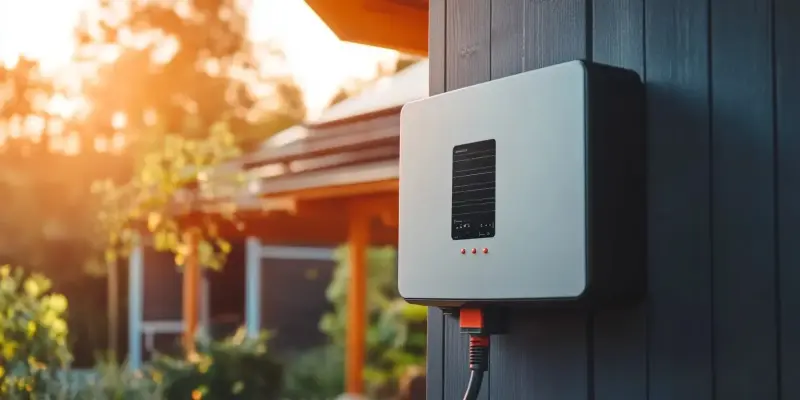
The rise of renewable energy has significantly transformed how power is generated, distributed, and consumed. Solar inverters, which convert electricity from solar panels into usable power, are integral to this revolution. However, these devices have recently come under scrutiny due to critical security vulnerabilities that could threaten grid stability. Cybersecurity firm Forescout has identified 46 vulnerabilities in solar inverters produced by well-known manufacturers Sungrow, Growatt, and SMA Solar Technology. These flaws, ranging from basic web portal issues to severe firmware defects, could potentially be exploited by hackers to cause widespread power outages. Given the increasing reliance on solar-powered infrastructure, the security of these devices has never been more vital.
The Role of Solar Inverters and the Gravity of Security Vulnerabilities
Solar inverters serve a crucial role in transforming direct current (DC) electricity generated by solar panels into alternating current (AC) electricity, which is suitable for powering homes and businesses. With the increasing digitization and connectivity of renewable energy systems, the importance of securing these devices cannot be overstated. The vulnerabilities identified by Forescout could allow attackers to gather sensitive user and device information, inject malicious data, or even overwrite device firmware.
The risk associated with these vulnerabilities is amplified by geopolitical tensions, particularly with China seeking to gain strategic advantages in U.S. critical infrastructure in anticipation of potential conflicts, such as over Taiwan. This context underscores the need for heightened vigilance and robust security measures to protect the integrity of the power grid. Robert M. Lee, CEO of Dragos, emphasizes that weaknesses in industrial control systems can be exploited by adversaries, underscoring the need for comprehensive visibility and risk mitigation strategies in securing such systems.
Forescout’s findings revealed that more than half of the solar inverter and storage system providers are based in China, further escalating the stakes for securing these essential components. This concentration of manufacturers in a single nation highlights the potential for systemic risks and the necessity of global cooperation in addressing these security challenges. The interconnectedness of modern power grids means that vulnerabilities in one part of the system can have far-reaching implications, making a coordinated effort to enhance security all the more critical.
Detailed Examination of Specific Threats
Among the devices reviewed, Growatt’s inverters were found to have particularly significant vulnerabilities. The company’s cloud platform flaws could let hackers steal device information and modify the operational parameters without proper authentication. Additionally, security issues in Growatt’s web portal, such as insecure direct object reference vulnerabilities and cross-site scripting flaws, posed substantial risks. These vulnerabilities not only jeopardized user accounts but also provided a potential gateway for more extensive network intrusions.
Sungrow and SMA inverters were also scrutinized, revealing complex vulnerabilities like hardcoded login credentials and stack-overflow issues. For instance, weaknesses such as unauthorized code execution on an SMA website and Sungrow Android application’s failure to verify security certificates rendered these systems susceptible to man-in-the-middle attacks. Such vulnerabilities could be exploited to manipulate device operations, disrupt functionality, and ultimately undermine grid stability.
The potential consequences of compromised solar inverters are severe. Cyber attackers could induce power load fluctuations, leading to grid instability, load shedding, and emergency shutdowns of critical equipment. This underscores the importance of proactive measures to secure these devices. Daniel dos Santos, head of research at Forescout, advocates for stringent security protocols, including regular risk assessments, comprehensive network visibility, and segmentation of devices into monitored sub-networks to mitigate potential risks.
Proactive Measures and Future Implications
The surge in renewable energy has dramatically transformed how we generate, distribute, and consume power. Central to this change are solar inverters, which convert electricity from solar panels into usable power for our homes and businesses. Yet, these crucial devices have recently been scrutinized for serious security vulnerabilities that could jeopardize the stability of the power grid. Cybersecurity firm Forescout has uncovered 46 flaws in solar inverters made by reputable manufacturers such as Sungrow, Growatt, and SMA Solar Technology. These vulnerabilities range from minor issues with web portals to significant defects in the firmware, potentially allowing hackers to exploit them and cause extensive power outages. As our dependence on solar-powered infrastructure grows, ensuring the security of these devices is more critical than ever. Without robust security measures, the progress we’ve made in renewable energy could be undermined, making the safeguarding of solar inverters a top priority for the future stability of our power grid.