

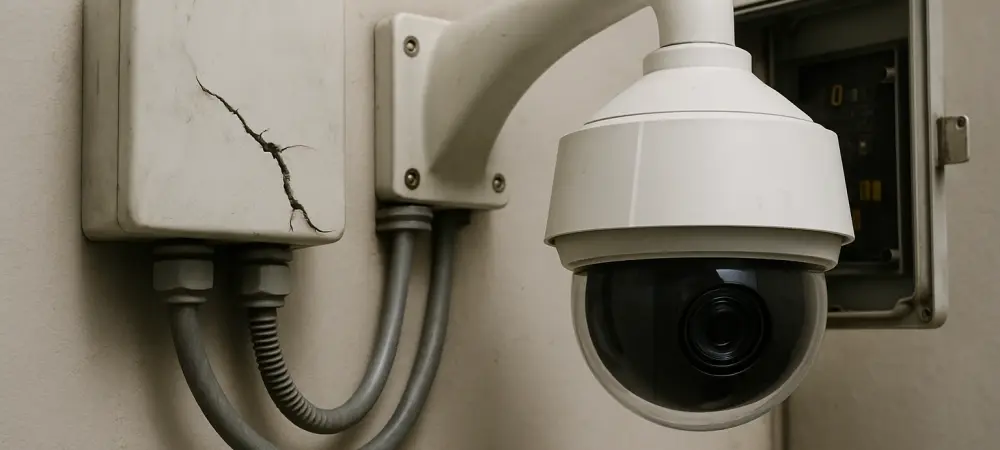
What if the devices designed to keep organizations safe became the very tools used to breach their security? In an era where surveillance cameras are integral to protecting businesses, public spaces, and critical infrastructure, a shocking revelation has emerged that demands immediate attention. Researchers have uncovered severe vulnerabilities in Axis Communications’ software, a trusted name in CCTV technology, potentially endangering thousands of systems worldwide. This discovery, presented at Black Hat USA in Las Vegas, raises urgent questions about the safety of surveillance networks and the risks lurking within everyday technology.
A Hidden Danger in Surveillance Systems
The significance of this issue cannot be overstated. Axis Communications, a leading provider of surveillance solutions, serves a vast array of clients, from small enterprises to government facilities. With over 6,500 servers exposed online—nearly 4,000 of which are in the United States—these flaws could impact millions of cameras, turning tools of protection into gateways for cyber attackers. The stakes are high, as a breach in such systems could lead to unauthorized access, data theft, or even manipulation of live feeds, compromising safety on a massive scale.
This is not merely a technical concern but a critical wake-up call for industries reliant on digital surveillance. As cyber threats grow more sophisticated, the discovery of these vulnerabilities underscores the fragility of even the most trusted systems. The research, conducted by Claroty’s Team82, highlights the pressing need for organizations to reassess their security measures before these weaknesses are exploited.
Unpacking the Vulnerabilities in Axis Technology
At the core of the problem lies Axis’ proprietary communication protocol, Axis.Remoting, where four distinct vulnerabilities have been identified. The most severe, tagged as CVE-2025-30023 with a CVSS score of 9, affects outdated versions of Axis Camera Station Pro (prior to 6.9), Axis Camera Station (prior to 5.58), and Axis Device Manager (prior to 5.32). This flaw allows authenticated users to execute remote code, potentially taking over entire networks with devastating consequences.
Other vulnerabilities compound the risk. CVE-2025-30024, with a CVSS score of 6.8, enables man-in-the-middle attacks, letting malicious actors intercept sensitive communications. Additionally, CVE-2025-30025 (CVSS: 4.8) permits local privilege escalation, while CVE-2025-30026 (CVSS: 5.3) opens the door to authentication bypass. Team82’s scans using tools like Censys and Shodan revealed the alarming extent of exposure, showing how easily attackers could target these systems through internet sweeps.
The researchers went further, crafting an exploit chain to demonstrate real-world implications. Their findings showed that attackers could infiltrate internal networks, decrypt traffic, or execute harmful code on both servers and clients. This paints a stark picture of how a single breach could cascade into widespread disruption, affecting countless organizations that depend on Axis products for security.
Why These Flaws Are a Global Concern
The scale of reliance on Axis Communications amplifies the gravity of these vulnerabilities. As geopolitical restrictions limit the use of certain surveillance manufacturers, many organizations have turned to trusted vendors like Axis, creating a concentrated dependency. A flaw in such a dominant platform could have far-reaching effects, disrupting not just individual businesses but entire sectors of critical infrastructure.
Team82 underscored this during their Black Hat USA presentation, stating, “The vast number of exposed Axis servers online positions them as prime targets for attackers looking to exploit surveillance systems.” While Axis has confirmed no known exploitation in the wild, the potential for targeted attacks remains a looming threat. The situation also raises broader questions about the surveillance industry’s resilience when options for vendors are shrinking due to global policies.
Axis, recognized as a certified CVE Numbering Authority, has shown accountability by acknowledging the issues and releasing patches. However, with CVE entries still under review in public databases, full transparency is pending. This dynamic highlights the delicate balance between rapid response and the need for detailed public disclosure to ensure all affected parties are informed.
Voices from the Field on Industry Impact
Experts at the Black Hat event emphasized the urgency of addressing these vulnerabilities before they become a crisis. A researcher from Team82 noted, “Surveillance systems are often seen as the eyes of an organization, but if those eyes are compromised, the consequences could be catastrophic.” This perspective drives home the reality that cyber attackers could manipulate live feeds or access restricted areas undetected, posing risks beyond mere data breaches.
Axis Communications has responded with a commitment to security, releasing updates to mitigate the flaws. Their collaboration with Team82 reflects a shared goal of protecting users, yet the incident sparks a larger conversation about industry standards. With fewer trusted vendors available, a single point of failure in a major player like Axis could ripple through global security frameworks, urging a reevaluation of how surveillance technology is developed and safeguarded.
The absence of reported exploitation offers a sliver of hope, but it does not diminish the need for vigilance. Organizations must recognize that the window to act is narrow, especially as attackers continuously scan for exposed systems. This scenario serves as a reminder that cybersecurity is not a one-time fix but an ongoing battle requiring constant adaptation to emerging threats.
Practical Measures to Protect Axis Systems
Fortunately, actionable steps can help organizations shield their Axis systems from potential attacks. The first priority is to update software to the latest versions—Axis Camera Station Pro 6.9, Axis Camera Station 5.58, or Axis Device Manager 5.32 and beyond. Patches addressing these vulnerabilities are already available, and delays in applying them could leave systems dangerously exposed. Beyond updates, minimizing public access to Axis servers is critical. Implementing firewalls and VPNs can reduce the attack surface, making it harder for malicious actors to locate and exploit systems through internet scans. Regular monitoring of network activity is also essential, as subtle signs of intrusion—such as unusual login attempts—could indicate an attempt to exploit flaws like authentication bypass.
Lastly, a thorough audit of system configurations can prevent issues like privilege escalation. Ensuring strong, unique credentials and verifying user permissions adds an extra layer of defense. Staying informed through updates from Axis and monitoring announcements from the US National Vulnerability Database will keep organizations ahead of any new developments. Proactive measures today can avert potential disasters tomorrow.
Reflecting on a Path Forward
Looking back, the revelation of critical flaws in Axis Communications’ software served as a stark reminder of the hidden risks within trusted surveillance systems. The discovery by Team82 at Black Hat USA illuminated how vulnerabilities in the Axis.Remoting protocol could have exposed thousands of servers and millions of cameras to cyber threats. Though no exploitation was reported, the potential for remote code execution, communication interception, and unauthorized access underscored a pressing danger.
The response from Axis, with swift patches and transparency, set a precedent for accountability in the industry. Their collaboration with researchers highlighted the power of partnership in addressing cybersecurity challenges. Yet, the incident also exposed broader concerns about dependency on a limited pool of surveillance vendors, a trend that could amplify risks if not addressed through diversified options and stricter security standards.
Moving forward, organizations must prioritize immediate updates and robust security practices to safeguard their systems. Beyond individual action, the industry faces a call to innovate and build resilience against evolving threats. This moment in time became a catalyst for change, urging all stakeholders to strengthen the foundation of surveillance technology and ensure that tools of safety never become instruments of harm.