

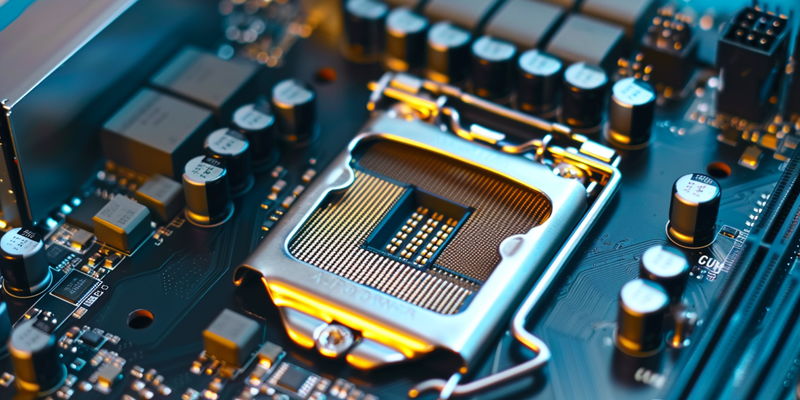
The processor landscape is abuzz with rumors of Intel’s next-generation CPU lineup, known as Arrow Lake, potentially hitting the shelves sooner than anticipated. Reports have emerged, originating from a reputed MSI overclocker, Toppc, suggesting that these advanced processors may see a release window as early as the third quarter of 2024. If the speculation holds true, this would mean a significant advancement in Intel’s release schedule, which previously hinted at a 2025 launch. The excitement was stoked during the MSI Dragon Event, where enthusiasts gathered in Wuhan, China, to discuss and speculate on the future of computer hardware.
Anticipated Features and Compatibility
The Arrow Lake architecture is expected to make a leap in terms of technology, transitioning to the new socket LGA 1851. Intel’s move indicates a direct alignment with the adoption of DDR5 RAM, mirroring AMD’s step towards their own AM5 socket. Within Intel’s rumored lineup, the high-end Intel Core i9 12900K is speculated to offer clock speeds reaching up to 5.5 GHz—albeit slightly less than its predecessor’s 6 GHz speeds. This potential dialing back on speed highlights a mindful approach focusing on efficiency and improved architectural performance, rather than just raw power.
However, credibility regarding an earlier release is still mixed among experts. While Toppc is known for his accurate leaks in the past, including precursory details about AMD CPUs, many observers remain skeptical about the purported Q3 2024 timeline. This skepticism is compounded by the recent controversy over the sale of unauthorized Arrow Lake silicon samples in China, suggesting that despite leaks, Intel’s precise timing for a market debut is still uncertain.
Shifting Focus and Market Readiness
Excitement is building in the tech world as rumors suggest that Intel’s cutting-edge Arrow Lake CPU series may hit the market earlier than expected, potentially by Q3 of 2024. This news has been sparked by insights from Toppc, a respected overclocker affiliated with MSI, during the MSI Dragon Event in Wuhan, China. If these rumblings prove accurate, this would mark a significant acceleration in Intel’s product launch timeline, previously anticipated for 2025. Tech enthusiasts and industry watchers are abuzz, as such a jump in the release schedule could mean major advancements in processing technology on the horizon. The prospect of an earlier arrival for the Arrow Lake processors not only intensifies the anticipation among consumers but has also sparked a flurry of speculation and conversation among hardware aficionados gathered at the event. This move by Intel could potentially shake up the competitive dynamic within the processor market, signaling a strong push from the company to stay ahead in the technological race.