

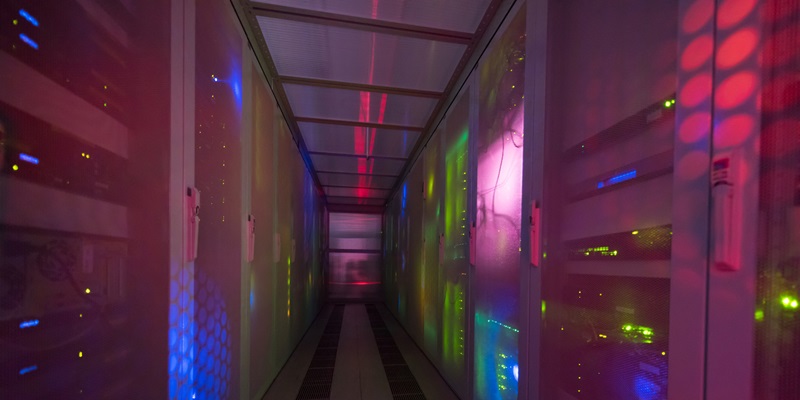
As the demand for data storage and processing capabilities continues to soar, CoreSite, a leading provider of secure, reliable, and high-performance data center solutions, has announced its plans for expansion in New Jersey and Colorado. With the final permitting received for its latest data center in the New York campus and conceptual approval for a three-building data center campus development in Denver, CoreSite aims to meet the increasing customer demand and the rising adoption of artificial intelligence (AI) and high-density computing applications. These expansions will not only offer enhanced capacity but also provide native access to leading cloud providers and a comprehensive interconnection ecosystem.
Expanded Capacity in New Jersey
CoreSite’s ‘New York’ campus data center, known as NY3, has recently received the final permitting necessary to complete the construction of the facility and add a staggering 15MW of capacity. Located conveniently next to the NY2 facility in Secaucus, New Jersey, this new data center is poised to add significant value to the company’s existing infrastructure. The construction of NY3 is expected to wrap up by the fourth quarter of 2024, bolstering CoreSite’s presence in the region and allowing it to better serve its East Coast clientele.
Denver Data Center Campus Development
In response to the surging demand for data center services in Denver, CoreSite has received conceptual approval for the development of a three-building data center campus offering a total of 600,000 square feet (55,740 square meters) and an impressive 60MW of capacity. The first facility in this Denver campus will encompass three stories and provide 18MW of power, further adding to CoreSite’s robust portfolio. With existing operations encompassing two data centers in Denver, this expansion underscores CoreSite’s commitment to catering to the thriving business landscape in the region.
Catering to customer demands
The decision to expand in New Jersey and Colorado is driven by customer demand and the growing adoption of AI and high-density computing applications. Companies across industries are increasingly relying on these technologies to drive innovation, improve operational efficiency, and gain a competitive edge. With the expanded data center footprints, CoreSite is well-positioned to support these businesses with the robust infrastructure required for these demanding workloads.
Native access to leading cloud providers
A key advantage of CoreSite’s data center expansions is the native access they provide to leading cloud providers. As organizations increasingly leverage cloud computing services to streamline operations and enhance scalability, having direct and reliable access to these providers is crucial. With its expanded facilities, CoreSite can offer customers seamless connectivity to leading cloud platforms, ensuring efficient data transfer and enhanced performance.
Comprehensive Interconnection Ecosystem
In addition to native cloud access, CoreSite’s data centers boast a comprehensive interconnection ecosystem. This ecosystem enables businesses to establish direct and secure connections with strategic partners, customers, and network service providers present within the data centers, fostering collaboration and enabling faster, more efficient data exchange. By expanding its data center footprints, CoreSite aims to further enrich this interconnection ecosystem, providing businesses with additional opportunities for partnerships and networking.
An Expanding Network
With the latest expansions, CoreSite’s network of data centers now spans across 11 US markets, comprising more than 27 data centers. This extensive network allows CoreSite to serve a wide range of industries, including financial services, healthcare, technology, media, and entertainment. By strategically positioning its data centers in key metropolitan areas, CoreSite can cater to the diverse needs of businesses across the country, promoting robust growth and digital transformation.
The expansion plans of CoreSite in New Jersey and Colorado are in response to the growing demand for data storage and computing capabilities. With the nearing completion of its NY3 data center in New Jersey and conceptual approval for a three-building campus in Denver, CoreSite is positioned to meet the increasing customer demand for secure and high-performance data center solutions. By offering native access to leading cloud providers and fostering a comprehensive interconnection ecosystem, CoreSite aims to support businesses in their digital transformation journey while ensuring reliable, scalable, and efficient data management.