

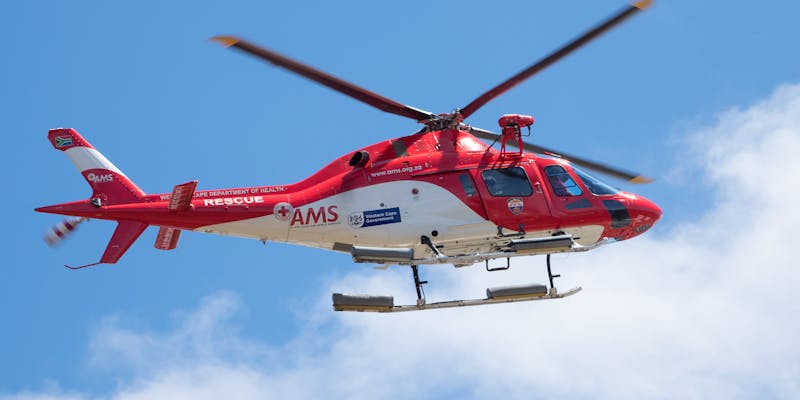
Amid advancements in aviation, Comau, a trailblazer in industrial automation, has teamed up with Leonardo Helicopters to revolutionize aeronautics maintenance. They’ve created an innovative robotic system for the automatic inspection of helicopter blades, capable of handling blades up to 7 meters long. This cutting-edge system integrates cognitive robotics, advanced vision systems, and artificial intelligence, ensuring a thorough and accurate examination of these vital components. This collaborative technological leap aims to heighten the precision in the maintenance of helicopters, affirming the commitment to safety and efficiency in the aviation industry. The partnership between Comau and Leonardo reflects a fusion of expertise in robotics and aeronautics, driving the future of aircraft maintenance toward greater reliability and sophistication.
The Advent of Advanced Robotic Inspections
The pressure on the aerospace industry to increase production efficiency without compromising quality has never been higher. Responding to this challenge, Comau and Leonardo’s robotic system is a testament to human ingenuity and technological advancement. Diverging from traditional, manual inspection methods that are often time-consuming and subjective, the new system utilizes intelligent robots to perform complex tapping tests and multispectral surface scans. These robots relentlessly search for both apparent and hidden flaws in the blades with precision that outmatches human capacity. Through such innovation, meticulous evaluation of aeronautical components is brought to unprecedented levels, promising faster, more precise, and reliably repetitive results.
Crucial to the integrity of the system are the embedded cognitive capabilities that allow the robot to autonomously adapt to the task at hand. Sophisticated algorithms and artificial intelligence grant the machine an almost human-like perception of its environment, enabling it to make decisions on the fly during inspections. This groundbreaking feature results in a standardized inspection process that negates the inconsistencies and subjectivity inherent in manual methods. Simultaneously, it enhances the exactitude of each inspection, safeguarding the integrity of the critical aeronautical structures that are vital for flight safety.
Impact and Future Prospects
The shift to automated inspections spearheaded by technological advancements has revolutionized industrial processes. Previously, manual inspections were tedious, but now operators have ascended to manager and programmer roles. Comau’s Nicole Clement praises this leap for streamlining complex operations in their portfolio. Concurrently, Leonardo Helicopters’ Mattia Cavanna welcomes the innovation as key to their digital and service quality commitments. Tested in Anagni, Italy, the new system proves ready for widespread use in the maintenance and repair sectors. This Comau-Leonardo collaboration showcases how technology meets industrial needs, setting new accuracy benchmarks in aerospace—and promising similar impacts in other industries where precision and consistency are vital. This evolution underscores the transformative impact of automated systems on manufacturing.