

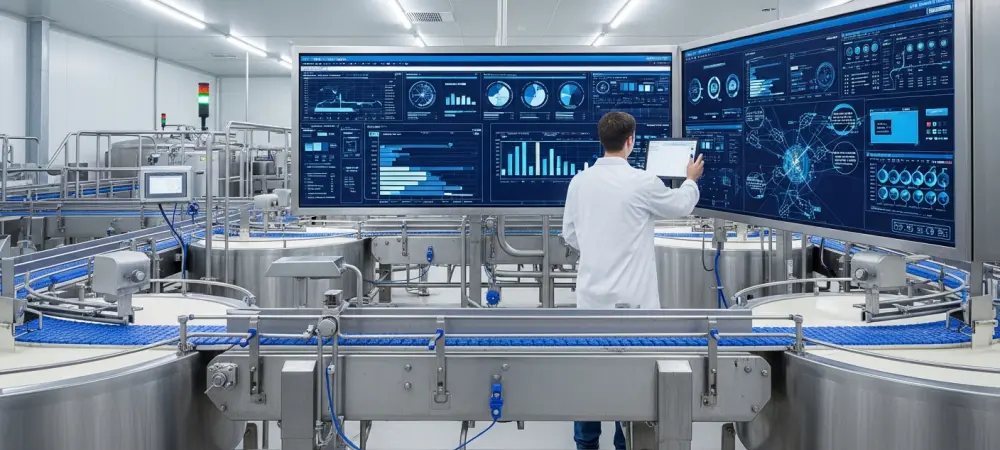
The disruption of a billion-dollar supply chain serves as a stark reminder that digital integrity is now the primary guardian of physical production in the global food and beverage sector. In July 2026, Coca-Cola’s high-growth dairy subsidiary, Fairlife, faced a severe operational test when a sophisticated ransomware attack forced a temporary suspension of its U.S. facilities. By July 27, the company demonstrated remarkable resilience by announcing that the majority of its production capacity had been successfully restored. This incident highlights the critical intersection of cybersecurity and industrial manufacturing, where the ability to recover is as vital as the ability to produce.
The Evolution of Fairlife: High Stakes in Dairy Technology
Fairlife has evolved from a niche dairy innovator into a cornerstone of Coca-Cola’s portfolio, generating over $1 billion in annual revenue through its premium, ultra-filtered milk products. This rapid growth relies on specialized processing facilities that utilize complex, interconnected digital systems to maintain efficiency and scale. However, this digital transformation expanded the brand’s attack surface, making it an attractive target for cybercriminals seeking to disrupt essential food infrastructure. As traditional information technology and operational technology converge, the risk of a digital intrusion causing physical delays has become a primary concern for global executives. For Coca-Cola, the Fairlife breach serves as a high-stakes case study in balancing industrial expansion with the necessity of hardened cyber defenses across all future expansion projects.
Deconstructing the Breach: Tactics, Impacts, and Response
The Anatomy of the Anubis Ransomware Attack: Vulnerabilities and Data Theft
Security researchers identified the threat actor as Anubis, a ransomware-as-a-service group recognized for its multifaceted extortion models. The attackers reportedly exfiltrated 1TB of sensitive data by exploiting the CitrixBleed2 vulnerability or using compromised credentials. This highlights a persistent challenge for large enterprises: a single unpatched flaw can grant unauthorized access to the core data and control systems of an entire organization.
Navigating Operational Challenges: Managing Shortages and Inventory
Once the breach was detected, Fairlife isolated its systems and temporarily shut down U.S. production facilities. The company mitigated potential market shortages by leveraging existing inventory and maintaining unaffected operations in Canada. This strategic use of buffer stock prevented empty-shelf scenarios and effectively shielded the brand’s reputation during the recovery phase.
Financial Stability: The Economic Impact of Resilience
Coca-Cola projected a stable financial outlook despite the production pause and the threat of data leaks. The company informed stakeholders that the incident would not have a material impact on its overall financial results. This confidence stems from the underlying strength of the brand and the efficiency of a well-rehearsed incident response plan that prioritized rapid system restoration.
The Future of Industrial Cybersecurity: Navigating Smart Manufacturing
As Coca-Cola moves forward with massive dairy investments in Michigan and New York, the industry is shifting toward “security by design.” Future facilities will likely integrate cybersecurity measures into their initial blueprints rather than adding them as an afterthought. We can expect increased regulatory scrutiny and a push for robust industry-wide standards to protect global food supply chains from evolving extortion tactics.
Strengthening Organizational Defenses: Lessons in Cyber-Extortion
The recovery offers key lessons for industrial leaders, particularly regarding the urgency of patch management and the value of supply chain redundancy as a form of physical backup. Organizations must treat cybersecurity as a core component of operational continuity rather than just an IT issue. Stress-testing response plans and ensuring air-gapped backups are now essential practices for maintaining consumer trust in a volatile digital landscape.
Strategic Insights: Reflections on Supply Chain Integrity
The successful restoration of production capacity marked a significant victory for Coca-Cola’s technical and operational teams. While the Anubis attack presented a substantial hurdle, the ability to maintain retail availability and minimize financial damage demonstrated the effectiveness of a resilient strategy. This event underscored the reality that in the age of digital manufacturing, a brand’s strength was defined by its capacity to withstand and recover from unavoidable digital challenges. The commitment to cybersecurity provided the foundation upon which future growth and innovation was built.