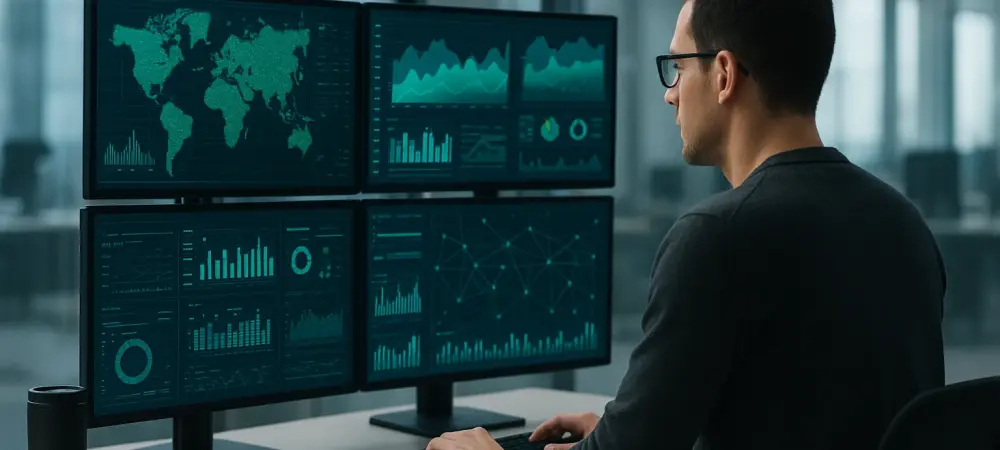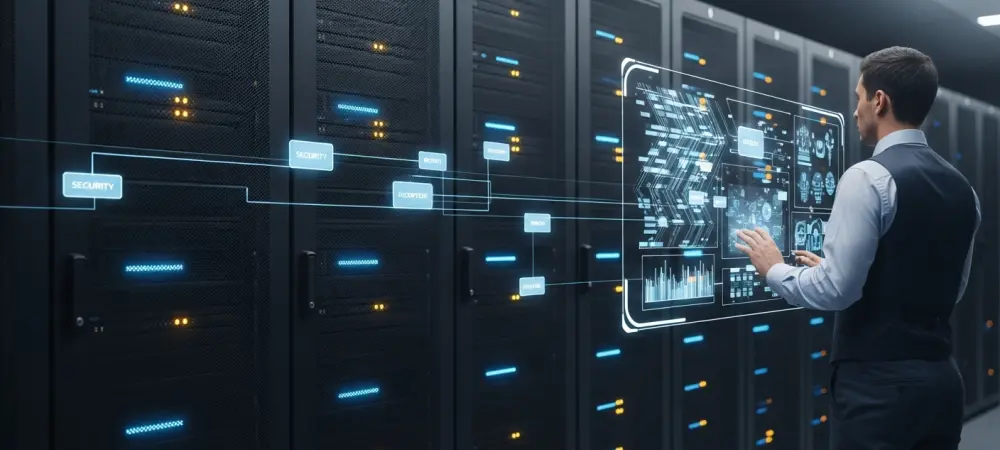
Mapping the physical and logical gravity of data is the critical first step for any enterprise attempting to transform distributed infrastructure into a strategic asset. For decades, the standard operational procedure involved funneling all corporate information into massive, centralized data
Mapping the physical and logical gravity of data is the critical first step for any enterprise attempting to transform distributed infrastructure into a strategic asset. For decades, the standard operational procedure involved funneling all corporate information into massive, centralized data

As Home Depot undertakes a substantial leadership transition and advances its technological endeavors, the company is making concerted efforts to reshape its customer experience while optimizing operations. Angie Brown’s recent promotion to Executive Vice President and Chief Information Officer marks
Deeper Sections Await

India is steadily advancing toward becoming a global digital superpower, but this trajectory comes with inherent challenges, particularly in the realm of cyber threats and geopolitical tensions. As the world’s third-largest economy in terms of Purchasing Power Parity (PPP), the
South Korea’s financial sector is on the brink of a technological revolution. With recent regulatory changes, financial institutions in the country can now harness the potential of generative artificial intelligence (AI) and cloud computing. These emerging technologies promise to inject
Browse Different Divisions
India is steadily advancing toward becoming a global digital superpower, but this trajectory comes with inherent challenges, particularly in the realm of cyber threats and geopolitical tensions. As the world’s third-largest economy in terms of Purchasing Power Parity (PPP), the
In recent years, the growing enthusiasm for Generative Artificial Intelligence (AI) has been a transformative force in the technology landscape, notably influencing decisions surrounding cloud investment. According to Wipro’s “Pulse of Cloud: Quarterly Report July 2024,” a significant portion of

The ongoing advancements in digital transformation and AI applications are placing unprecedented demands on computing infrastructure, especially for businesses operating with remote and distributed sites. While traditional cloud services have been the go-to solution, they often prove inadequate in addressing
Cloud computing has ushered in a new era of digital transformation, providing small and medium-sized enterprises (SMEs) with the tools to navigate technological advancements and stay competitive. These businesses face unique challenges that can hamper growth and innovation. Cloud-based solutions

Cloud computing has fundamentally changed the way businesses operate, driving agility, innovation, and cost-efficiency. By providing scalable and flexible resources, cloud computing allows companies to adapt quickly to market changes, innovate rapidly, and optimize costs. Traditional business models, which often
South Korea’s financial sector is on the brink of a technological revolution. With recent regulatory changes, financial institutions in the country can now harness the potential of generative artificial intelligence (AI) and cloud computing. These emerging technologies promise to inject
Browse Different Divisions
Uncover What’s Next
B2BDaily uses cookies to personalize your experience on our website. By continuing to use this site, you agree to our Cookie Policy