

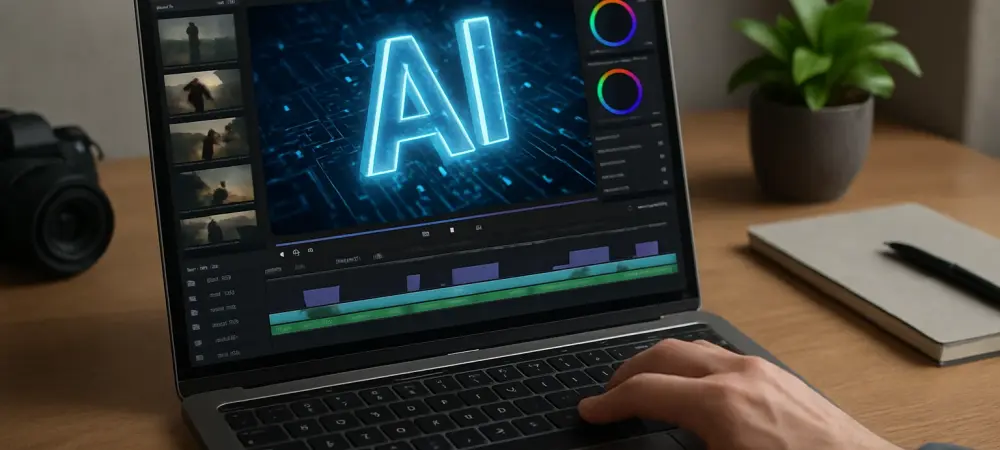
Diving into the world of AI video creation, I’m thrilled to sit down with Dominic Jainy, an IT professional whose deep expertise in artificial intelligence, machine learning, and blockchain has positioned him as a leading voice in cutting-edge tech applications. Today, we’re exploring ClipGen, a groundbreaking tool revolutionizing how content creators produce videos with speed and ease. Our conversation will touch on the innovative technology powering ClipGen, its unique features, user experience, customization options, and its potential to transform digital storytelling for creators across various fields.
How did you first come across ClipGen, and what initially drew you to this AI video creation tool?
I stumbled upon ClipGen while researching advancements in AI-driven content tools for a project I was working on. What caught my eye was its promise to simplify video production without sacrificing quality. As someone who’s always looking at how AI can streamline complex processes, I was intrigued by how ClipGen leverages machine learning to automate so much of the heavy lifting in video creation. It’s a game-changer for anyone who needs to produce professional-grade content quickly.
What do you think sets ClipGen apart from other AI video tools in the market?
ClipGen really shines with its blend of speed, quality, and accessibility. Its deep learning algorithms create videos that feel authentic and engaging, which isn’t always the case with competitors. Plus, the intuitive interface makes it approachable for users at any skill level. Another standout is the customization—it offers so many options to tweak visuals and pacing, ensuring the output matches a creator’s vision. It’s not just about automation; it’s about empowering users with control.
Can you break down the core technology behind ClipGen and how it turns ideas into polished videos?
At its heart, ClipGen relies on advanced machine learning, including neural networks and computer vision algorithms. These systems are trained on massive datasets of video content to understand visual patterns, movement, and even narrative flow. The AI can generate scenes, adapt content dynamically, and render videos in real time. Features like intelligent scene detection and facial recognition enhance precision, making the final product look seamless and professional with minimal human input.
For someone who isn’t very tech-savvy, how approachable is ClipGen to get started with?
ClipGen was clearly built with all users in mind. The setup is straightforward—create an account, download the app or use the web platform, and you’re guided through a simple wizard to get going. The interface is clean, with a dashboard for managing projects and easy access to templates and media tools. Even if you’ve never edited a video before, the design walks you through the process, making it feel less intimidating and more like a creative playground.
What are some of the features in ClipGen that you think creators should be most excited about?
I’d point to the intelligent scene detection and background removal tech as real highlights. These features automatically segment content and create green screen-like effects without any manual effort, which saves a ton of time. Then there’s the dynamic audio synchronization that aligns sound perfectly with visuals. Add to that a library of templates for quick starts, and creators can produce polished videos in a fraction of the time it would take with traditional tools.
How much freedom do users have to customize videos in ClipGen to fit their unique style or message?
The customization in ClipGen is impressive. Users can adjust colors, styles, pacing, and even integrate specific visual effects to align with their vision. The AI adapts to different content types—whether it’s a snappy ad, an in-depth tutorial, or a personal story—so the output feels tailored. Real-time previews let you iterate quickly, ensuring the video matches your brand or narrative before finalizing it.
From a performance standpoint, how does ClipGen handle speed and quality, especially for high-resolution projects?
ClipGen is remarkably efficient. It can render 4K videos in under five minutes, which is unheard of for many traditional editing platforms. It handles multi-layer compositions and complex effects with minimal lag, even on mid-range hardware. Of course, a decent setup with at least 8GB of RAM and a stable internet connection helps, but the platform optimizes resources so well that creators don’t need top-tier machines to get great results.
What’s your take on how ClipGen’s pricing structure fits into the needs of different types of creators?
ClipGen’s pricing is one of its strong suits. With tiers like the Starter Plan for solo creators, a Professional Plan for growing businesses, and an Enterprise option for large-scale projects, there’s something for everyone. The affordability of the base plan makes it accessible to freelancers, while the added features in higher tiers cater to more advanced needs. It’s a cost-effective alternative to traditional editing, saving both time and money without compromising on output.
Do you have any advice for our readers who are just starting to explore AI tools like ClipGen for their video projects?
Absolutely. First, don’t be afraid to dive in—tools like ClipGen are designed to be user-friendly, so experiment freely with the templates and customization options to see what works for your style. Plan your content ahead with a clear brief to guide the AI, and take advantage of the platform’s resources like asset libraries to speed things up. Lastly, keep your software updated and play around with the features regularly. The more you use it, the more you’ll uncover ways to make your workflow smoother and your videos stand out.