

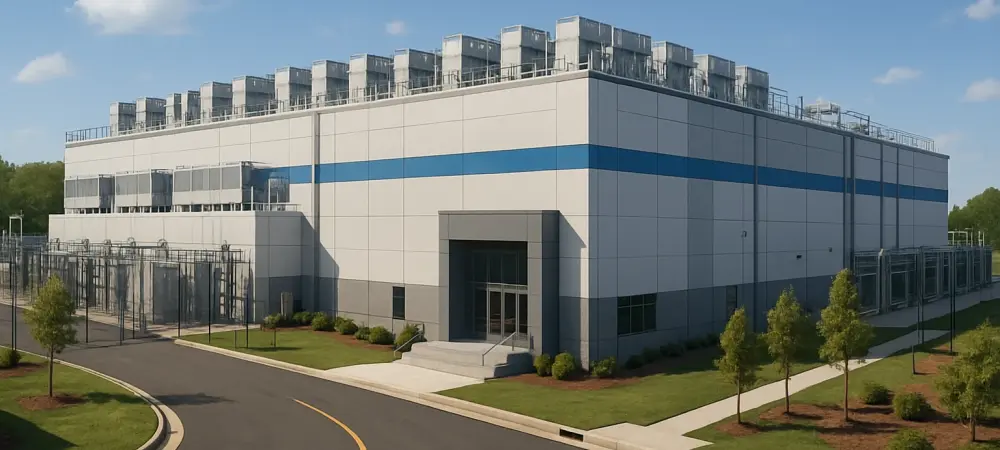
In an era where digital transformation and cloud computing are driving unprecedented demand for data infrastructure, a significant development has emerged in Caroline County, Virginia, that promises to reshape the landscape of hyperscale data centers. CleanArc Data Centers, a company dedicated to building large-scale facilities for major tech clients, has recently unveiled plans to expand its inaugural campus in this region, increasing its potential capacity from an already impressive 600MW to a staggering 900MW. This ambitious move not only highlights the escalating need for robust data infrastructure but also signals a shift in the industry toward less conventional locations outside traditional hubs. The expansion reflects a broader trend of addressing spatial constraints while catering to the growing appetites of hyperscale clients, setting the stage for a deeper exploration of strategic planning, sustainability efforts, and regional economic impacts in the data center sector.
Strategic Growth and Phased Development
The expansion in Caroline County marks a pivotal moment for CleanArc, as the company has secured an additional 87.5 acres of land to bolster its campus capabilities. This acquisition facilitates a meticulously planned rollout of power capacity, with groundbreaking scheduled for late this year and the initial 300MW tranche expected to be operational by early 2027. Subsequent phases include another 300MW by 2030, and the newly acquired land will support a final 300MW between 2033 and 2035. This long-term vision underscores a commitment to scalability, ensuring that infrastructure keeps pace with the rapid evolution of technology demands. CEO James Trout has emphasized the critical role of such expansions in fostering innovation for hyperscale clients, positioning CleanArc as a key player in the industry. Beyond mere numbers, this phased approach demonstrates a pragmatic balance between immediate needs and future growth, allowing flexibility in a market characterized by unpredictability and rapid shifts in technological requirements.
Sustainability and Regional Transformation
Equally noteworthy is CleanArc’s dedication to integrating clean energy solutions and fostering positive community outcomes in its operational strategy. Established with backing from a clean energy investment firm and now under the majority ownership of a private equity group, the company embeds sustainability into its core business model through strategic energy agreements. This focus aligns with industry-wide movements toward environmentally responsible data center operations. Meanwhile, the choice of Caroline County, situated between Fredericksburg and Richmond, reflects a growing trend of decentralizing data center locations due to spatial limitations in more saturated areas like Northern Virginia. The region, previously not known for such infrastructure, is witnessing a surge in interest from major players, transforming it into an emerging hub. Collaborative efforts with local stakeholders aim to ensure economic benefits while addressing community concerns, highlighting how such projects can drive regional development alongside technological advancement.