

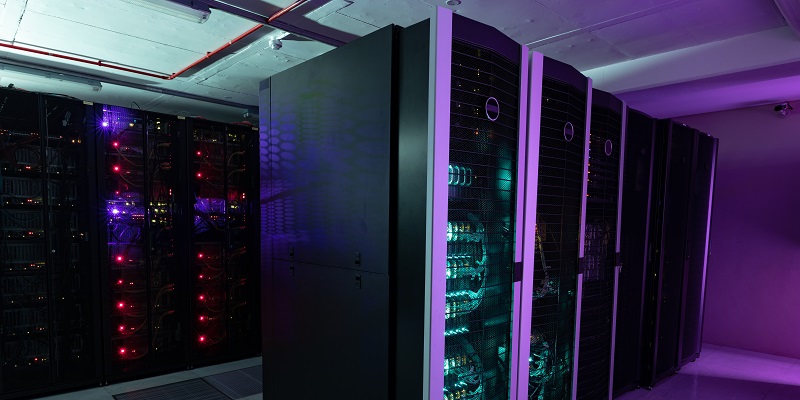
Cisco Systems, Inc., a global leader in networking, security, and enterprise solutions, has announced its plans to establish a data center for cloud-delivered security in the Kingdom of Saudi Arabia (KSA). The move aims to help organizations, both locally and regionally, in protecting their users, infrastructure, and investments against cyber threats.
With the rise of digitalization and cyber threats, the establishment of a data center for cloud-delivered security in Saudi Arabia is a significant step in strengthening the country’s cybersecurity system. The data center’s role in delivering agile, highly resilient, high-capacity secure access will help protect Saudi Arabia’s local and regional organizations from cyber threats.
Cisco’s Plan to Establish a Data Center for Cloud-Delivered Security in Saudi Arabia
Cisco’s plan to establish a data center for cloud-delivered security in Saudi Arabia is a timely move to address the increasing threat of cyberattacks in the region. The new data center will provide security services and data protection to help organizations mitigate the risk of cyber threats.
Empowering Local and Regional Organizations
Cisco aims to empower local and regional organizations with the flexibility to choose security services and data protection that best suit their business needs. By offering a range of services, Cisco ensures that organizations have access to the right security solutions and data protection mechanisms to safeguard their users, infrastructure, and investments against cyber threats.
Delivering agile, resilient, and high-capacity secure access
The data center plays a critical role in delivering agile, highly resilient, and high-capacity secure access closer to users in KSA. Its importance cannot be overstated as it will assist organizations in fulfilling their security and data protection requirements while ensuring that services are delivered efficiently.
Supporting Cisco’s Cloud Services
The new data center in Saudi Arabia will support Cisco’s cloud services, including its new Secure Service Edge (SSE) solution, Cisco Secure Access. The cloud-based solution will help organizations to mobilize their workforce by providing secure and consistent access to applications, regardless of location.
Increasing Productivity with Cisco Secure Access
The complexity involved in accessing applications can be a significant hindrance to productivity for users within organizations. The automated decision-making process of Cisco Secure Access removes this complexity, enabling productivity through a consistent access experience and reduced re-authentication throughout the day.
Cisco’s commitment to hybrid architecture
The announcement reaffirms Cisco’s commitment to a hybrid architecture, which extends its global reach for customers. The hybrid architecture ensures that organizations have access to Cisco’s products and services both on-premises and in the cloud.
Carrier-neutral data center
The data center will be carrier-neutral, meaning that it will be available to any Internet Service Provider (ISP) in Saudi Arabia. This will allow organizations to choose their preferred ISP while also having access to the data center for cloud-delivered security services.
The Importance of Security Resilience
The latest Cisco Security Outcomes Report highlights the importance of security resilience. The report states that converging networking and security into a mature, cloud-delivered secure access services edge boosted security resilience scores by 27%.
The establishment of a data center for cloud-delivered security in Saudi Arabia is a critical step in ensuring that local and regional organizations have access to the right security services and data protection mechanisms. Cisco’s commitment to a hybrid architecture ensures that organizations have access to Cisco’s products and services both on-premises and in the cloud. With converging networking and security into a mature cloud-delivered secure access services edge, organizations can boost their security resilience scores by 27%.