

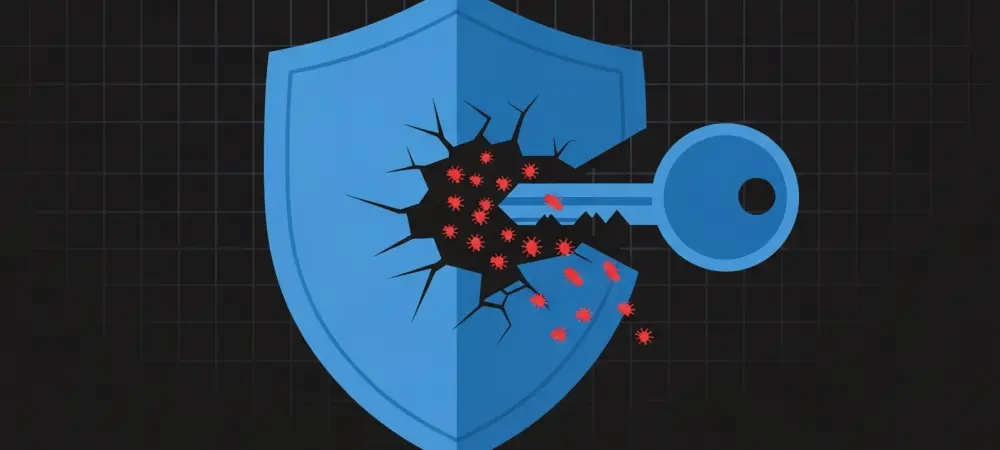
The silent, digital walls protecting an enterprise network can be undone by a single, cleverly exploited flaw, turning a trusted gateway into an open door for intruders and placing critical data at immediate risk. The recent addition of a critical Fortinet vulnerability to the U.S. Cybersecurity and Infrastructure Security Agency’s (CISA) catalog of actively exploited threats has created exactly this scenario, demanding an urgent response from organizations worldwide. This situation moves beyond theoretical risk, representing a clear and present danger that requires immediate attention.
This article serves as a comprehensive FAQ to address the most pressing questions surrounding this development. It aims to dissect the nature of the vulnerability, clarify the implications of CISA’s warning, and provide clear guidance on the necessary steps for remediation. Readers will gain a practical understanding of the threat and the actions required to secure their networks against potential compromise.
Key Questions or Key Topics Section
What Is CVE-2025-59718 and Why Is It a Major Concern
Not all security flaws are created equal, and this particular vulnerability stands out due to its ability to completely bypass a fundamental security layer: authentication. Its severity stems from the direct path it provides attackers into a protected network, making it an exceptionally dangerous tool in the wrong hands. The flaw, identified as CVE-2025-59718, is a critical authentication bypass issue affecting a wide range of Fortinet products, including FortiOS, FortiProxy, and FortiWeb.
Technically classified as an Improper Verification of Cryptographic Signature, the vulnerability allows an unauthenticated attacker on the network to circumvent FortiCloud Single Sign-On (SSO) protections. By sending specially crafted SAML messages, an adversary can gain access without needing valid credentials, effectively walking through the front door. A related vulnerability, CVE-2025-59719, which stems from the same core issue, is covered by the same security advisories and requires identical remediation, compounding the urgency for security teams.
What Does CISAs KEV Catalog Listing Mean for Organizations
The inclusion of a vulnerability in CISA’s Known Exploited Vulnerabilities (KEV) catalog is a significant event that transforms a potential threat into a confirmed, active one. This catalog is not merely a list of potential weaknesses; it is a curated collection of flaws that cyber adversaries are currently using in real-world attacks. Consequently, its alerts serve as a critical alarm for both public and private sector entities.
CISA’s action on December 16, 2025, to add CVE-2025-59718 to the KEV catalog triggered Binding Operational Directive (BOD) 22-01. This directive mandates that federal agencies apply the necessary patches by a strict deadline of December 23, 2025. While this order is specific to federal entities, it functions as an authoritative recommendation for all organizations. The message is unambiguous: this is not a routine patch cycle but an emergency response to a live threat.
What Are the Recommended Remediation Steps
With an active exploit in circulation, the window for a measured response is rapidly closing, necessitating swift and decisive action. The primary and most crucial step is the immediate application of the security patches released by Fortinet. These updates are designed specifically to close the authentication loophole and restore the integrity of the affected security appliances. For situations where deploying the patch before the deadline is not feasible, CISA’s guidance is stark: discontinue the use of the affected products until they can be properly secured. Security teams are strongly advised to prioritize their remediation efforts on devices that are most exposed, particularly edge security appliances and web application firewalls. These internet-facing systems are the primary vectors for this type of attack and represent the most significant risk of a breach.
Summary or Recap
The emergence of CVE-2025-59718 presents a severe threat, characterized by its ability to bypass authentication on widely used Fortinet security products. The core issue is an attacker’s ability to gain unauthorized network access, a risk that is no longer theoretical now that CISA confirms its active exploitation in the wild. This validation elevates the flaw to a top-priority concern for all organizations utilizing the affected technology.
CISA’s directive for federal agencies to remediate by December 23, 2025, underscores the gravity of the situation and sets a clear benchmark for the private sector. The primary directive remains clear: patch immediately to prevent compromise. For those unable to patch, disabling the vulnerable systems is the only prudent alternative. The focus must be on protecting the network perimeter, as these exposed devices are the most likely targets for exploitation.
Conclusion or Final Thoughts
The rapid response to the Fortinet vulnerability served as a powerful reminder of the dynamic nature of cybersecurity threats. This incident underscored how a single flaw in a trusted security product could quickly become a gateway for widespread attacks, challenging the established security posture of countless organizations. It highlighted the critical importance of a robust and agile incident response capability.
Ultimately, this event was a real-world test of organizational preparedness, forcing security teams to act decisively under a tight deadline. It reinforced the notion that proactive security hygiene, including timely patching and vigilant monitoring, is not just a best practice but an essential component of modern digital defense. The lessons learned from this vulnerability have prompted many to re-evaluate their risk exposure and the speed at which they can react to the next inevitable threat.