

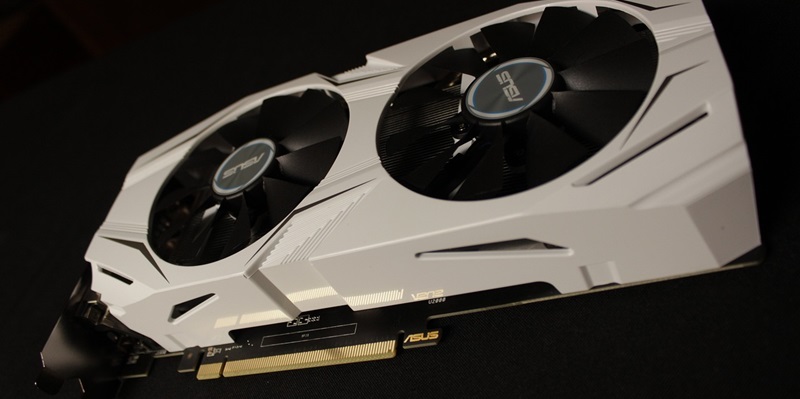
In a surprising turn of events, several Chinese factories have emerged with a singular mission – to dismantle and convert NVIDIA’s flagship gaming GPU, the GeForce RTX 4090, into AI solutions tailored for the Chinese domestic market. This move has been necessitated by the increasing restrictions on NVIDIA’s AI GPUs due to the latest US policies. As a result, Chinese AI companies are facing a complete ban on accessing these highly sought-after GPUs. However, prior to the restrictions, a substantial number of RTX 4090s had been stockpiled by Chinese customers, allowing them to find an alternative means to power their AI needs.
Background
The Chinese AI segment has been grappling with the ramifications of the ban imposed on NVIDIA’s AI GPUs as a result of the latest US policies. This ban has caused a significant setback for the development and advancement of AI technologies in the country. Recognizing the urgency of the situation, Chinese customers have had the foresight to stockpile a considerable number of RTX 4090s before the restrictions came into effect. This stockpile has become an invaluable resource for Chinese AI companies in their efforts to continue pushing the boundaries of AI innovation.
Utilization of RTX 4090 for AI
The availability of a large pool of RTX 4090 chips has paved the way for Chinese factories to convert these GPUs into AI powerhouses. The converted RTX 4090s are now being extensively used to fulfill China’s growing demands for AI infrastructure. Thousands of these AI-centric graphics cards are being produced and shipped to AI companies, ensuring a steady supply of GPUs in a market where true AI GPUs are no longer accessible.
Design and features of the converted RTX 4090
One particular RTX 4090 conversion, spotted by I_Leak_VN, showcases unique design elements that attempt to retain the aesthetic appeal of NVIDIA’s Founders Edition (FE) GPUs. The front of the card features a stylish shroud, accompanied by a backplate on the rear. To ensure effective cooling, the GPU is equipped with a dual-slot heatsink and a blower-style cooler. The back of the card boasts a large exhaust vent, providing efficient heat dissipation, and it retains the standard four display outputs commonly found on NVIDIA GPUs.
Manufacturing process
The conversion process involves dismantling entire PCBs, removing the GPUs and GDDR6X memory. These components are then carefully fused onto brand-new PCBs that are specifically designed to meet the rigorous requirements of AI customers. This meticulous manufacturing process ensures that the converted RTX 4090s are optimized for high-performance AI applications.
Future outlook
While the conversion of RTX 4090s has proven to be a viable interim solution for Chinese AI companies, questions arise regarding the long-term sustainability of relying on these GPUs. Given the limited availability of the stockpiled RTX 4090s, Chinese companies will eventually exhaust their supply and be forced to explore alternative options. The extent to which these companies can continue utilizing RTX 4090s remains to be seen.
The emergence of Chinese factories dedicated to converting NVIDIA’s GeForce RTX 4090 into AI solutions has provided a lifeline to the Chinese AI market in the face of US bans on the availability of true AI GPUs. By repurposing the stockpiled RTX 4090s, these factories have ensured a consistent supply of GPUs to power China’s growing AI industry. However, the future of Chinese AI companies hinges on their ability to identify and adopt alternative solutions as the availability of RTX 4090s dwindles. The journey towards self-sufficiency in AI infrastructure for the Chinese market continues to face challenges, but these innovative approaches demonstrate the resilience and determination of the country’s technology sector.