

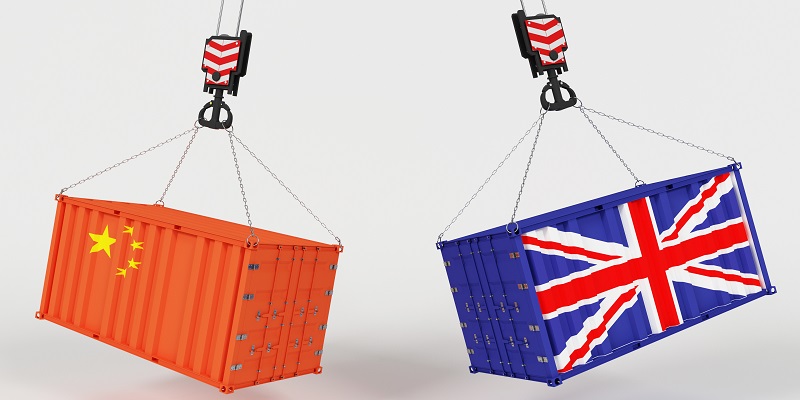
With the most advanced AI capabilities and industries globally, both China and the United States set influential norms that ripple worldwide. However, the approach to AI governance in these nations differs significantly. While comprehensive AI legislation has been slow to materialize in the United States, China is often misunderstood as compromising governance for security-focused AI applications. In reality, China’s regulatory bodies actively strive to balance security interests with desires for reduced restraints on innovation. This article delves into the contrasting governance approaches of China and the United States, highlighting the need for comprehensive AI regulations and the emerging challenges of responsible governance in an era of rapid technological change.
Slow progress of comprehensive AI legislation in the United States
In the United States, comprehensive AI legislation has been extremely slow to materialize, if not completely absent. This lack of comprehensive regulation raises concerns about the potential risks and unintended consequences associated with the rapid development and deployment of AI technologies. However, recent developments indicate a shift in the stance towards accelerating legislative progress. The swell of public interest and Congressional hearings focused on AI governance may compel more substantive action in the United States.
Misconceptions about China’s governance approach towards AI
On the other hand, China is commonly portrayed as readily compromising governance to enable security-focused AI applications, but this oversimplification overlooks crucial aspects of their approach. China’s regulatory bodies are actively striving to balance security interests with desires for reduced restraints on innovation. While the country still prioritizes the collective over individual interests, dismissing individual voices as inconsequential underestimates rising criticism among the populace. It is important to acknowledge the evolving landscape of AI governance in China and avoid oversimplifying the complex dynamics at play.
China’s efforts to balance security interests with innovation
China recognizes the importance of AI innovation in maintaining its technological edge and global competitiveness. To strike a balance between security concerns and innovation, China’s regulatory bodies are working to create a regulatory framework that encourages responsible AI development. They aim to foster an environment that enables breakthroughs while ensuring adequate safeguards are in place to prevent the misuse of AI technologies. As China continues to weigh stability imperatives amid rapid technological change, new profound questions around responsible governance continue to arise.
The Rising Voice of Individual Interests in China’s AI Governance
While China has traditionally been known for its emphasis on collective interests, there is a growing recognition of the importance of individual voices in AI governance. As technological advancements continue to reshape societies, individuals are becoming more vocal about the need for transparency, accountability, and protection of their rights. This shift highlights the evolving societal landscape in China and the need for inclusive governance structures that consider individual perspectives.
The emergence of new questions around responsible governance in China
China’s pursuit of responsible governance in the AI domain raises numerous ethical and societal questions. As AI technologies become increasingly integrated into various aspects of people’s lives, issues related to privacy, discrimination, and algorithmic biases come to the forefront. It is crucial for China’s regulatory bodies to address these concerns and ensure that governance practices evolve in tandem with technological advancements. The proactive approach to responsible AI governance will not only benefit China but also set an example for other nations globally.
Contrasting Governance Approaches of China and the United States
The governance approaches of China and the United States diverge sharply. While China is actively working to strike a balance between security and innovation, the United States has been slow in enacting comprehensive AI regulations. This laissez-faire approach in the United States has allowed AI companies to operate with relative autonomy. However, the recent recognition of AI’s profound societal impacts and the growing public interest indicate a potential shift towards more substantive action in the United States.
Self-regulation efforts by major AI companies
Major AI companies such as Microsoft, Google, and Meta are not waiting for regulatory action, but are taking matters into their own hands. They are proactively self-regulating in hopes of shaping external oversight on their terms. These efforts showcase the responsible behavior of these companies and engage stakeholders in discussions around AI ethics, fairness, and accountability. However, self-regulation alone may not be sufficient to address the broader concerns associated with AI governance, emphasizing the need for comprehensive governmental regulations.
The need for further examination of potential U.S. policies on AI governance
Given AI’s profound societal impacts, further examination of potential U.S. policies is warranted despite the slow progress so far. Comprehensive AI regulations are essential to mitigate risks, ensure fairness, and address the societal implications of AI deployments. The emergence of new technologies and the accelerating pace of AI development demand a proactive approach to governance. By implementing well-crafted policies, the United States can shape the global AI landscape and set an example for responsible and inclusive governance practices.
China and the United States play influential roles in shaping global norms for AI governance. While the United States grapples with slow progress in enacting comprehensive regulations, China actively balances security interests with innovation in its approach. The rising voice of individual interests in China and the self-regulation efforts of major AI companies further contribute to the evolving governance landscape. As China and the United States navigate the complexities of responsible governance amid rapid technological change, the need for comprehensive regulations and inclusive decision-making processes becomes increasingly imperative. By proactively addressing these challenges, both nations can shape AI governance that ensures the responsible and ethical development and deployment of AI technologies in the years to come.