

Dominic Jainy is an acclaimed IT strategist and technology analyst who has spent the last decade dissecting the convergence of artificial intelligence, blockchain, and hardware evolution. With a sharp eye for how machine learning is being woven into the fabric of consumer electronics, Jainy has become a leading voice in understanding the shifting paradigms of the mobile industry. As we move into late 2026, his insights into the radical departure of the Chinese smartphone market from the traditional Silicon Valley model provide a crucial perspective on the future of our digital interactions. In this conversation, we explore how the integration of agentic AI and physical robotics is dismantling the app-centric world we have known since the launch of the first iPhone.
In this interview, we explore the structural shift occurring in the mobile landscape as major manufacturers begin to favor integrated AI agents over the traditional app store ecosystem. We discuss the technical foundations of these new operating systems, such as the use of the Model Context Protocol to grant agents deep system-level access, and the economic motivations behind this transition. Furthermore, the conversation delves into the emerging “Attachment Economy,” where hardware like the Honor Robot Phone uses physical gestures and AI-driven personality to create deeper emotional bonds with users. Finally, we look at the global implications of this split between the Western app-based model and the Chinese agentic approach, particularly as it pertains to wearables and the influence of regional super-apps.
How do operating systems that prioritize AI agents over traditional app stores fundamentally change daily user habits?
The shift away from the traditional app store model is nothing short of a total reimagining of the user interface, moving from a visual, manual experience to one that is proactive and conversational. When you look at a device like the ZTE Nubia NaviX Ultra, which utilizes the Doubao AI agent from ByteDance, the most striking change is the complete absence of a home screen. Instead of the familiar grid of icons that has defined the smartphone experience for nearly two decades, users interact through voice commands or a dedicated physical button. This forces a transition from “app-hunting” to “intent-stating,” where you no longer need to remember which specific app holds the data or tool you need. The friction of navigating menus and managing updates is replaced by a fluid dialogue with a system that understands your history and preferences. It’s a sensory shift where the phone stops being a digital toolbox and starts acting like a personal coordinator that anticipates your needs without you ever having to swipe a finger.
What makes the “agentic layer” in these Chinese devices different from the AI integrations we see in Apple’s iOS or Google’s Android?
The fundamental difference lies in how deep the AI is woven into the architecture of the operating system itself. While Western giants like Apple and Google are essentially layering AI apps or features on top of an existing framework, companies like StepFun are building from the ground up with the StepX Neo. This device runs on Step AOS—a complex hybrid of Android, Linux, and a Real-Time Operating System—that treats the AI agent, Step Amoo, as the primary navigator. Instead of silos, the system breaks phone functions down into four core primitives: communication, apps, files, and system tools. The agent has the power to recombine these elements on the fly to achieve a specific goal, such as organizing a trip or managing a project, without requiring the user to open multiple separate platforms. This is made possible by Anthropic’s Model Context Protocol, which gives these agents unprecedented system-level access that Apple and Google are currently unwilling to grant to third-party developers.
Considering the economic structure of Western tech giants, why are Apple and Google hesitating to adopt this agent-first model?
The hesitation is almost entirely driven by the “economic logic” of the app store model, which has become a massive revenue engine for Silicon Valley. Apple famously takes a cut of 15% to 30% on app revenue, and for Google, the Play Store has historically represented somewhere between 17% and 26% of their total operating income. Transitioning to an agent-based OS where apps “dissolve” into background tasks would effectively cannibalize their own profits because it removes the centralized marketplace where these transactions occur. We are already seeing the early signs of this disruption; by early 2026, mobile in-app purchases dropped by roughly 40% as users shifted toward AI-driven subscription models. Chinese manufacturers can afford to blow up this model because they never had a significant stake in the global app store revenue stream to begin with. They are prioritizing market capture and user engagement over the protection of a legacy commission-based ecosystem that is clearly starting to lose its luster.
Beyond software, how is AI reshaping the physical form of smartphones through “robot phones” like Honor’s latest device?
We are entering an era where the smartphone is moving beyond a “static pane of glass” and acquiring a physical body and personality. The Honor Robot Phone, which is set for a major launch on August 12, 2026, is the pioneer of this movement, featuring a robotic gimbal integrated with a massive 200-megapixel camera. This isn’t just about taking better photos; the AI uses this physical component to track subjects autonomously while the phone sits on a table, or to smooth out cinematic shots while you’re walking. But the real shift is in how the phone expresses itself physically, using movement to communicate emotion or status. It can literally nod “yes” or shake its “head” “no,” and in a move designed to evoke an emotional response, it can even perform a “backflip” to “cheer up” the user. This adds a tangible, sensory dimension to our technology, making the device feel less like a tool and more like a companion with its own set of thoughts and feelings.
With the rise of the “Attachment Economy,” what are the psychological implications of interacting with devices that display human-like gestures?
The psychological shift is profound because we are moving into what experts call the “Attachment Economy,” where the value of a product is measured by the emotional bond it creates with the user. When a device like the Honor Robot Phone uses body language—mimicking human-like gestures—it taps into our natural tendency to anthropomorphize objects. This creates a sense of “attachment” that goes far beyond simple brand loyalty; users start to feel a sense of companionship with their hardware. It’s a calculated effort to make the consumer feel more connected to the device, which in turn makes them more likely to stay within that specific ecosystem. However, this also raises questions about the biases and values of the creators being reflected in these “personalities.” If your phone is designed to have a personality, it will inevitably reflect the cultural and political viewpoints of the company that programmed its AI model, which could subtly influence user perception over time.
How do you see the divergence between the Chinese agentic model and the Western app-based model playing out on the global stage?
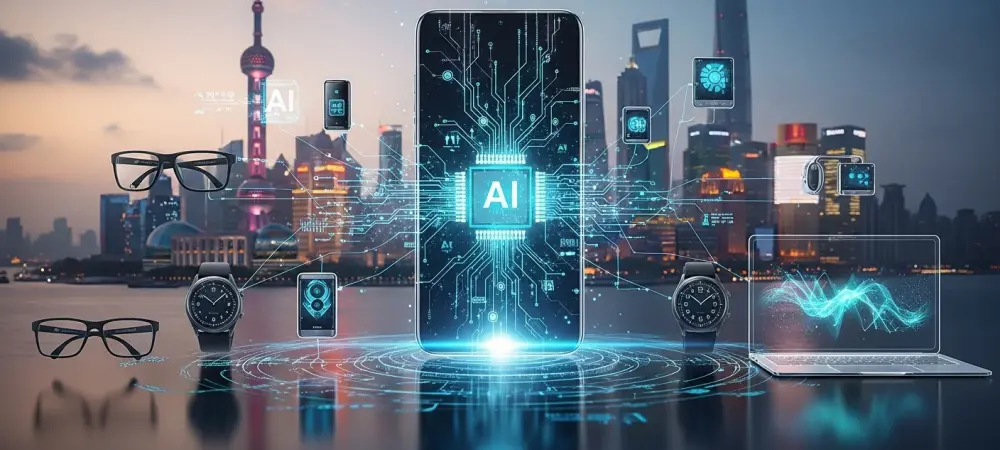
We are witnessing a legitimate split in the global technological landscape that will have massive implications for how the world interacts with information. If these agentic AI phones succeed in the Chinese market, they will almost certainly be exported to international markets, offering a radical alternative to the Silicon Valley status quo. This isn’t just about selling hardware; it’s about the penetration of Chinese super-apps, financial services, and even governmental worldviews through the medium of AI. Furthermore, the upcoming wave of AI wearables, such as smart glasses and watches, will likely be wirelessly “tethered” to these smartphones for their processing power and intelligence. This means your glasses won’t just be displaying data; they will be “conversing” with an AI agent that manages your entire digital life. The world will eventually have to choose between the fragmented app model we use today and a vertically integrated, agent-led experience that offers more convenience but perhaps less transparency.
What is your forecast for the evolution of the smartphone over the next five years?
I believe we are nearing the end of the smartphone as a standalone “window” and moving toward a world where it serves as the invisible brain for a suite of wearable devices. Within the next five years, I expect the “app” as we know it to become a relic of the past, replaced entirely by fluid, task-oriented AI agents that operate across multiple pieces of hardware. We will see the “Attachment Economy” mature, where physical robotics in our devices—like the gimbals and moving parts we see in current Chinese prototypes—become standard, allowing our tech to interact with the physical world just as easily as it does with the digital one. The ultimate winner of this race will be whichever ecosystem can most seamlessly integrate these agents into our daily lives while maintaining a sense of trust. However, the cost of that convenience will be a total reliance on the AI’s interpretation of our world, making the selection of an OS a more significant cultural and personal choice than it has ever been in human history.