

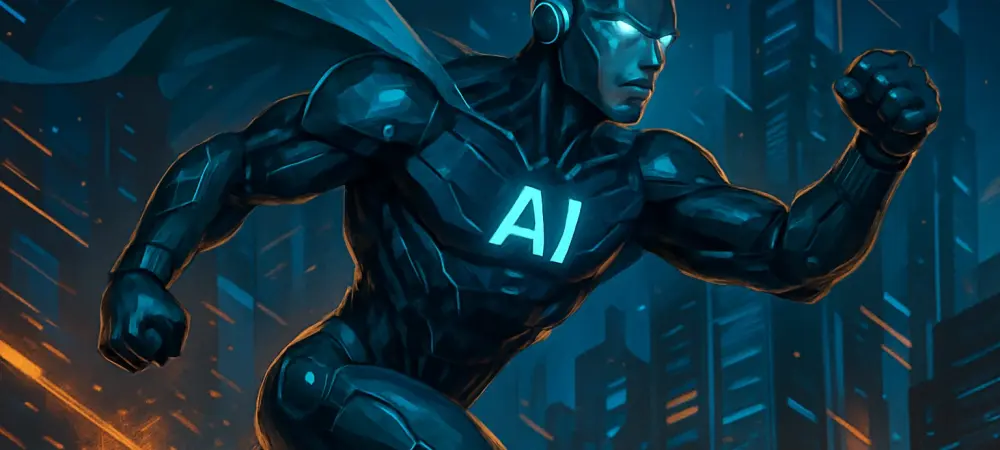
In a world where artificial intelligence continues to redefine creativity, a new battle is brewing between two tech giants that promises to captivate users with groundbreaking visual tools. OpenAI has recently unveiled a striking feature within ChatGPT that transforms ordinary photographs into dynamic 3D superhero-style action portraits, directly challenging Google’s dominance in the AI imaging space. This update, seamlessly integrated into ChatGPT, allows millions of users to craft personalized avatars with unique outfits and imaginative storytelling elements. While Google has already made waves with its own viral AI imaging tool, OpenAI’s latest move signals an intense rivalry focused on user engagement and creative expression. This development is more than just a playful addition; it represents a strategic push to redefine how AI can blend fun with functionality. As competition heats up, the industry stands to benefit from rapid advancements that could reshape digital creativity for years to come.
1. A New Frontier in AI Imaging
The introduction of AI-generated imagery has taken the digital world by storm, with tools that transform static photos into vibrant, interactive visuals gaining massive traction. OpenAI’s latest feature, known as AI Action Portrait, stands out by converting everyday images into 3D superhero avatars that feel larger than life. Unlike other tools that prioritize speed or realism, this feature emphasizes customization, allowing users to define every detail of their virtual action figure. Integrated directly into ChatGPT, it offers an accessible platform for anyone to experiment with creative expression. The process is simple yet powerful: upload a photo, provide a description of the desired look, and watch as the AI crafts a unique character. This innovation not only caters to casual users seeking fun but also appeals to those interested in storytelling through personalized digital art. As a result, OpenAI has positioned itself as a serious contender in a space where visual creativity is becoming a key differentiator among AI platforms.
This rivalry with Google’s AI imaging tool, which gained viral attention for its hyper-realistic outputs, highlights a broader trend of tech companies vying for user attention through innovative features. While Google’s offering focuses on minimal user input and fast results, OpenAI’s approach with ChatGPT prioritizes depth and individuality in each creation. Users can add sidekicks, custom labels, or props to their action portraits, making each output a reflection of personal vision. This level of interactivity sets a new standard for AI tools, encouraging users to invest time in crafting detailed prompts for optimal results. The contrast between the two approaches underscores a fundamental question in AI development: should tools aim for simplicity and speed, or depth and engagement? As OpenAI pushes the boundaries of personalization, it challenges competitors to rethink their strategies. This dynamic competition is likely to drive further innovation, ultimately benefiting users with more versatile and imaginative tools over the coming years.
2. Crafting the Perfect Digital Avatar
Creating an AI action portrait with ChatGPT is a straightforward yet nuanced process that rewards attention to detail and creativity from the user. The first step involves uploading a high-quality photo to ensure the best possible rendering, as clarity directly impacts the final output. Next, users must describe the desired look with precision, specifying elements like costume style or character theme to avoid random results. Additional personal touches, such as unique props or companion characters, can be included to enhance the storytelling aspect of the avatar. The AI processes these inputs using advanced multimodal capabilities, generating a virtual action figure in mere seconds. These figures can even be presented in a collectible-style box with custom labels, adding a playful yet professional touch. This feature transforms a simple image into a narrative-driven piece of art, offering a level of engagement that goes beyond traditional photo editing tools and taps into the growing demand for interactive digital experiences.
Beyond the basic steps, mastering this tool requires an understanding of how detailed prompts influence outcomes, making the experience both challenging and rewarding. Vague instructions often lead to unexpected or generic results, while well-thought-out descriptions yield avatars that closely match the user’s vision. For instance, specifying a particular era or genre for the costume can dramatically alter the tone of the portrait, allowing for endless creative possibilities. This interactive element not only entertains but also educates users on the importance of clear communication with AI systems. Furthermore, the ability to iterate on designs by refining prompts fosters a sense of ownership over the final product. As users experiment with different styles and additions, they contribute to a growing community of digital creators sharing their unique action portraits. This feature’s emphasis on user input distinguishes it from competitors, positioning ChatGPT as a platform that values creativity as much as technological prowess in the evolving landscape of AI-driven art.
3. The Bigger Picture of Tech Rivalry
The launch of AI Action Portraits by OpenAI marks a significant moment in the ongoing competition with Google, reflecting a broader struggle for supremacy in the AI sector. While Google’s tool gained rapid popularity for its ability to produce realistic images with minimal effort, OpenAI counters with a focus on user-driven customization and integration within an established ecosystem. This contrast highlights differing philosophies on how AI should serve users, with one prioritizing ease and the other depth of experience. The rivalry extends beyond mere features, touching on how these companies aim to shape user interaction with technology. As both giants roll out updates and new capabilities, the pace of innovation accelerates, promising more sophisticated tools for digital expression. This competition serves as a catalyst for advancements that could redefine creative applications of AI, pushing the boundaries of what users expect from such platforms in terms of functionality and engagement.
Looking back, the strategic moves made by OpenAI to integrate AI Action Portraits into ChatGPT demonstrate a clear intent to carve out a unique space in the market. The emphasis on storytelling and personalization resonated with users seeking more than just automated outputs, setting a benchmark for interactive AI tools. Meanwhile, the response from competitors spurred a cycle of rapid enhancements that kept the industry on its toes. Reflecting on this period, it became evident that such rivalries are essential in driving technological progress, ensuring that user needs remain at the forefront of development. Moving forward, the focus should be on leveraging these innovations to create even more intuitive and versatile tools, addressing gaps in accessibility and user education. Exploring partnerships or community-driven initiatives could further enhance the impact of these features, ensuring that creativity through AI remains inclusive and inspiring for all.