

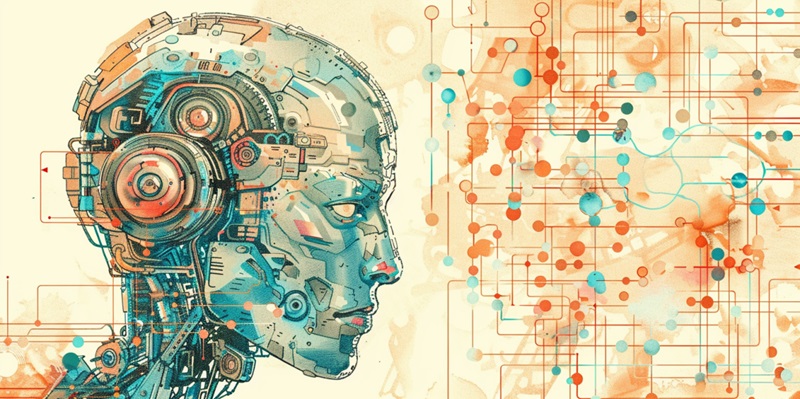
For decades, the pursuit of scientific knowledge was chiefly the domain of professionals with years of education and access to resources and institutions. However, with the emergence of artificial intelligence, particularly the advent of ChatGPT-4, the landscape has been radically transformed. ChatGPT-4, the latest iteration of a series of generative pre-trained transformers by OpenAI, is trailblazing new paths for public participation in scientific quests. Equipped with cutting-edge natural language understanding, it dissects complex scientific jargon into more understandable pieces, enabling laypersons to grasp and engage in scientific conversations with unprecedented ease.
Alongside its linguistic prowess, ChatGPT-4 serves as an invaluable tool for crowdsourcing data. Everyday enthusiasts, now capable of contributing to scientific databases, are mapping out uncharted territories right from their backyards. This surge in accessible science through AI is empowering a new wave of citizen scientists. They no longer just observe but actively contribute to data that fuels scientific endeavors across the globe. The profoundness of this shift is reflected in the democratization of knowledge creation and the rapid acceleration of data-driven discoveries.
Bridging Communities and Science
Within the citizen science revolution, ChatGPT-4 stands out not just as a tool but as a bridge between lay enthusiasts and experts. This AI fosters an unprecedented alliance, making it easier to start studies, analyze data, and spread knowledge. Such collaboration is democratizing science, empowering regular individuals to conduct research with zeal comparable to seasoned scientists.
This new dynamic is drastically improving data quality and volume. On platforms like Zooniverse, citizen scientist contributions are crucial for managing the data deluge that could swamp research teams. ChatGPT-4’s role in boosting both the efficiency and accuracy of research efforts, while simultaneously cultivating a community of like-minded explorers, highlights a modern blend of technology and the human quest for understanding. This union of community and AI is reshaping how we interact with and contribute to the broader realms of biology, ecology, and many other sciences.
Fueling Conservation and Action
ChatGPT-4 significantly enhances citizen science, especially in conservation efforts. By interfacing with databases like the Global Biodiversity Information Facility, it ensures that observations by individuals enhance conservation policy. Its precision elevates the quality of citizen-gathered data, essential for scientific credibility amidst pressing issues like climate change.
Insights from everyday observers, like shifts in animal migrations, gain rapid analysis and contextualization from AI, accelerating environmental responses. ChatGPT-4 thus democratizes science participation, reinforcing the notion that conservation is a shared duty. This AI-facilitated partnership in research paves the way for a future where citizen science is a pivotal element in our understanding of the natural world, with technology and community cooperation at its heart.