

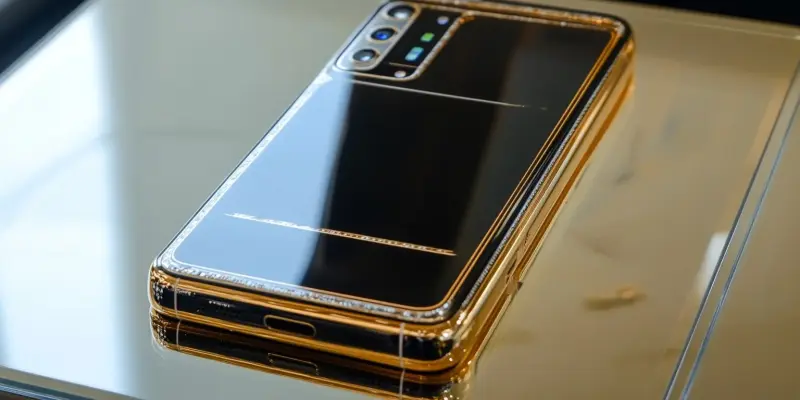
The high-end Russian brand Caviar, renowned for transforming ordinary tech products into luxurious masterpieces, has once again stunned the market with its latest creation, the Samsung Galaxy S25 Ultra “Viper” in an exclusive “John Wick” design. This new iteration epitomizes the blend of high technology and lavish aesthetics, honed meticulously to cater to a niche audience that seeks more distinctive, opulent, and unique smartphones. By producing a single unit of this masterpiece, Caviar redefines exclusivity and takes luxury to a new level.
Opulent Design with a Cinematic Touch
Luxurious Materials and Intricate Craftsmanship
Caviar’s exclusive Galaxy S25 Ultra “Viper” might be considered the epitome of luxurious personalization. True to Caviar’s tradition of using top-tier materials, the Viper boasts a PVD-coated titanium frame, complemented by 24-carat gold elements that add to its premium feel. The back of the phone pays tribute to the iconic John Wick series, featuring a meticulously detailed rendering of Wick’s signature pistol. This isn’t just about aesthetics; the back also incorporates a unique, functioning hourglass within the pistol grip, bringing an element of intrigue to the design.
Despite the fascination with the intricate design, the exact function of the embedded hourglass remains undisclosed, adding a layer of mystery fitting for a tribute to such an enigmatic character. This design choice speaks volumes about Caviar’s attention to detail and their ability to weave storytelling into their products. Each detail serves to elevate the phone beyond mere utility, transforming it into a collector’s artifact that stands apart from other luxury tech offerings on the market.
Commitment to Exclusivity and Customization
Maintaining its reputation for exclusivity, Caviar has chosen to limit production to just one single unit. This strategy cements the Viper’s status as a unique piece, targeted towards the ultra-wealthy who desire one-of-a-kind luxury items. The absence of wireless charging due to the thickness of the metal back may sacrifice some practical functionality, but it places greater emphasis on the device’s luxurious and artistic value. Caviar’s approach is clear: in the world of supreme luxury, practicality often takes a secondary role to rarity and aesthetic appeal.
This isn’t the first time Caviar has pushed the boundaries of smartphone customization. Their portfolio includes an array of high-end tech gadgets, each crafted with precious materials and personalized to extreme levels. By blending high-end technology with unparalleled craftsmanship, Caviar continues to cater to a clientele that values prestige and individuality over mass-produced, commercial products. Their unique philosophy focuses on producing something that not only works efficiently but also embodies extravagance and exclusivity.
High-End Performance Meets Distinctive Design
Outstanding Technical Specifications
Underneath the luxurious exterior, the Galaxy S25 Ultra “Viper” maintains the internal specifications of the standard S25 Ultra. It is powered by Qualcomm’s formidable Snapdragon 8 Elite processor, specifically designed for the Galaxy, ensuring top-tier performance. The smartphone features a stunning 6.9-inch, 120 Hz LTPO AMOLED display with a resolution of 3,120 x 1,440, delivering crystal-clear visuals with a peak HDR brightness of 2,600 nits. This ensures that whether you’re watching movies or playing games, the visual experience remains unparalleled.
The hallmark of the Galaxy S25 Ultra’s superior technical prowess is its camera setup, which remains unaltered in the Viper edition. The device boasts a 200 MP main camera, a 50 MP ultra-wide-angle camera, a 10 MP telephoto camera with 3x optical zoom, and a 50 MP periscope telephoto camera offering 5x optical zoom. These specifications ensure that, even beyond its first-class design, the Viper stands out as a powerful tool capable of exceptional photography and videography, further enhancing its value.
Balancing Technology and Luxury
However, despite maintaining the brilliant technical specifications, the phone’s extravagant design introduces some trade-offs. Notably, the thickness and metal composition of the back panel make wireless charging impossible. While this could be seen as a downside to some, it plays into Caviar’s overarching theme of creating a piece of art where desirability and uniqueness overshadow conventional functionality.
This balancing act between technology and luxury is a cornerstone of Caviar’s strategy. Their capability to integrate state-of-the-art technology within an exclusive, artistically-rich frame ensures that each piece they create is both a high-performing device and a status symbol. Those who purchase this bespoke model are not merely buying a phone; they are investing in a piece of functional art that complements their lifestyle and conveys their taste for the finer things in life.
Conclusion and Future Considerations
Caviar, the prestigious Russian brand celebrated for turning ordinary tech gadgets into opulent masterpieces, has once again captured the market’s attention with its latest creation – the Samsung Galaxy S25 Ultra “Viper” in a special “John Wick” design. This newest release represents the perfect fusion of advanced technology and sumptuous aesthetics, meticulously crafted to appeal to a niche audience that craves distinctive, opulent, and one-of-a-kind smartphones. Producing just a single unit of this beauty, Caviar elevates the concept of exclusivity and sets new standards in luxury. The “John Wick” themed design of the Galaxy S25 Ultra “Viper” is not just a smartphone; it’s a statement piece, symbolizing richness and sophistication. By offering such a unique product, Caviar consistently demonstrates its ability to push boundaries and create a sense of profound exclusivity in the tech world, cementing its place as a leader in luxurious technology.