

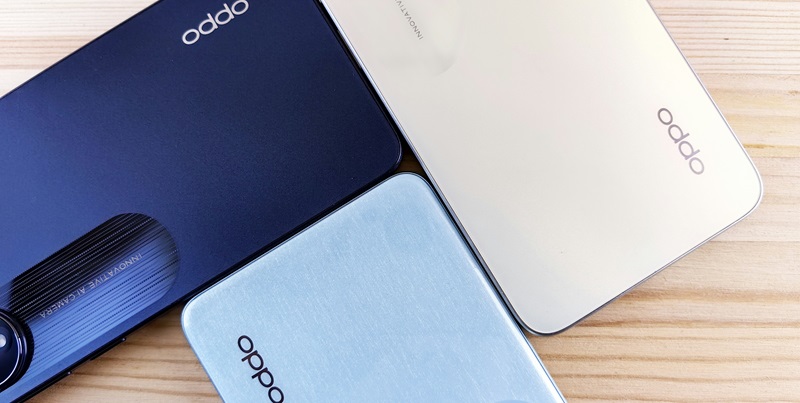
In an interesting development for smartphone enthusiasts, Oppo’s latest flagship devices, the Find X8 and Find X8 Pro, are available for import even before their official global release. While Oppo has only launched these advanced smartphones in China, third-party importers like Giztop and TradingShenzhen have begun offering them at competitive prices to buyers around the world. These retailers provide a unique opportunity for tech aficionados eager to get their hands on the latest technology ahead of others. However, it’s essential to note that these devices come with a few caveats since they run the Chinese versions of ColorOS, which lack some features present in the global version, such as Android Auto and certain banking applications.
Despite these limitations, the Find X8 and X8 Pro support multiple languages and include Google Mobile Services, ensuring compatibility with most popular apps. This makes them manageable devices for international users despite certain constraints. The Find X8 Pro, an impressive device in its own right, diverges from the norm by being powered by MediaTek’s Dimensity 9400 chipset, as opposed to the more commonly seen Qualcomm processors in flagship smartphones. This choice aims to offer users a blend of performance and cost efficiency. Giztop lists the Find X8 Pro starting at $899 for the 12 GB RAM and 256 GB storage version, while the highest configuration is priced at $1,099. TradingShenzhen’s offerings are slightly more expensive, but they also have the Find X8 starting at around $725.
Competitive Pricing and Availability
Importing high-end devices from China at competitive prices underscores a growing global interest in cutting-edge technologies even before their official releases. This trend demonstrates the balance consumers seek between cost-effectiveness and advanced features. For potential buyers, the difference in cost between Giztop and TradingShenzhen might be a deciding factor based on their budgets and the specific configurations they want. While TradingShenzhen’s prices are generally higher, the choice of vendors will depend on individual preferences regarding service, shipping times, and overall purchasing experience. It is worth noting that both models are quite similar, sharing many core features, which might sway users towards the more economically priced Find X8.
Similarly, the inclusion of Google Mobile Services remains a crucial point for global users. This accessibility ensures that despite some regional restrictions, owners will still be able to use their favorite Android apps without significant issues. It highlights the appealing aspect of these Oppo devices for tech enthusiasts who prioritize having the latest hardware without having to wait for official international releases, which sometimes lag behind by several months.
User Experience and Anticipations
In an exciting turn for smartphone fans, Oppo’s latest flagship models, the Find X8 and Find X8 Pro, are available for import ahead of their official global release. Although these high-end smartphones were initially launched only in China, third-party retailers such as Giztop and TradingShenzhen are offering them at competitive prices to international buyers. This early access offers tech enthusiasts the chance to be among the first to experience the newest technology. However, potential buyers should be aware that these imports come with some caveats. They run the Chinese versions of ColorOS, which lack certain features found in the global version, including Android Auto and some banking apps.
Despite these drawbacks, the Find X8 and X8 Pro support multiple languages and feature Google Mobile Services, making them compatible with most popular apps, thus remaining viable for international users. The Find X8 Pro stands out for using MediaTek’s Dimensity 9400 chipset, differing from the usual Qualcomm processors in flagship phones. This strategic choice aims to balance performance and cost. Giztop offers the Find X8 Pro starting at $899 for the model with 12 GB RAM and 256 GB storage, while the highest configuration goes up to $1,099. TradingShenzhen’s prices are slightly higher, with the Find X8 starting around $725.