

Bridging the Gap: PC Versatility and Console Simplicity
The traditional divide between the desktop computer and the living room console has never been thinner than it is with the arrival of the new integrated Xbox mode. This specialized interface represents a strategic pivot toward a unified ecosystem where the power of a custom-built rig meets the accessibility of a plug-and-play device. While Windows 11 has always been a gaming powerhouse, its reliance on a mouse-driven desktop often felt like a barrier for those seeking a streamlined experience. This update attempts to solve that friction by offering a dedicated environment where controllers take center stage.
The Architecture: A Controller-First Ecosystem
Designing for the Lean-Back Experience: Beyond the Desktop
Transitioning from a productivity tool to a gaming hub requires more than just a skin; it necessitates a complete rethink of user interaction. Industry analysts suggest that by prioritizing a distraction-free, full-screen layout, Microsoft is finally addressing the needs of gamers who prefer the comfort of a couch. This mode allows users to navigate game libraries and system settings entirely through a gamepad, eliminating the awkward reach for a keyboard. However, the success of this shift depends on how well the OS suppresses background tasks and notifications that typically interrupt the immersion of a dedicated console.
Fueling the Handheld Revolution: Multi-Device Flexibility
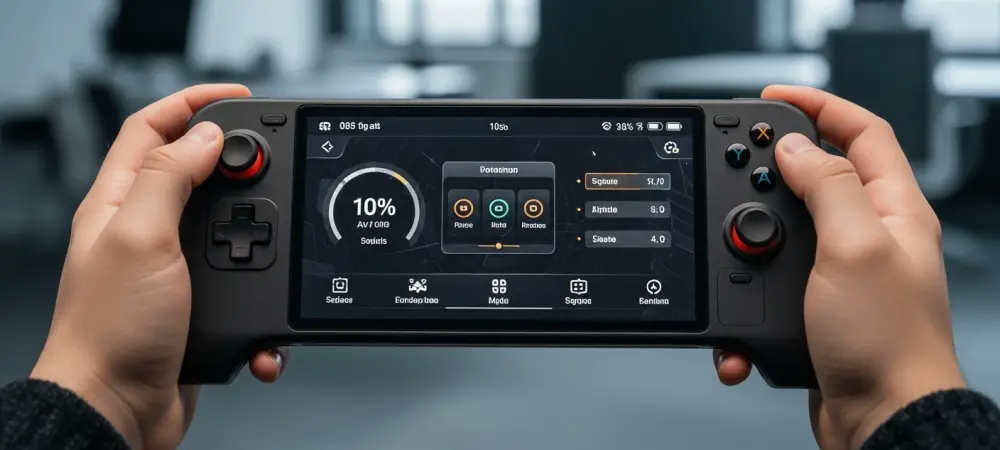
The rise of portable gaming hardware has accelerated the need for a more adaptable version of Windows. Devices like the Steam Deck have proven that specialized software is the key to handheld success, and Xbox mode is the direct answer to this hardware trend. By offering a UI that scales across small screens and massive televisions alike, the system provides a consistent feel regardless of the device. This flexibility allows gamers to start a session on a portable unit during a commute and finish it on a high-end desktop, retaining the ability to switch to a full desktop environment for tasks like modding or content creation.
Under-the-Hood Innovation: DirectStorage and Shader Efficiency
Technical reviews of the recent Game Developers Conference reveal that the true strength of this update lies beneath the surface. The implementation of Advanced Shader Delivery and zStandard support for DirectStorage targets the specific bottlenecks that cause stuttering in modern titles. These enhancements allow data to move from the SSD to the GPU with unprecedented speed, effectively mimicking the specialized architecture found in the Xbox Series X. By reducing CPU overhead, Microsoft is bringing a level of optimization to the fragmented PC market that was previously reserved for closed-box consoles.
Microsoft’s Unified Vision: One Platform for All Gamers
This evolution points toward a future where the distinction between a PC and a console is defined by the software environment rather than the physical box. By integrating linear algebra capabilities to accelerate shader inference, the platform is giving developers the tools to optimize games for a massive range of hardware configurations. This strategy challenges the status quo of the gaming industry, suggesting that a high-end gaming experience should be accessible anywhere. It positions Windows 11 not just as a supporting player, but as a central hub for a hybrid community that values both performance and convenience.
Maximizing the New Gaming Environment: Windows 11 Tips
To get the most out of this transition, users updated their hardware profiles to ensure full compatibility with the latest DirectStorage drivers. Those looking for a pure console feel configured their systems to boot directly into Xbox mode, bypassing the desktop entirely upon startup. Utilizing high-speed NVMe drives became essential for taking advantage of the new decompression algorithms that drastically shortened load times. By fine-tuning these settings, enthusiasts transformed their multipurpose machines into specialized gaming centers that rivaled the speed of any modern dedicated console.
The Dawn of a Hybrid Gaming Era
The rollout of Xbox mode successfully validated the concept of a hybrid gaming environment that refused to compromise on either power or ease of use. This transition proved that the future of the medium lay in software adaptability rather than hardware exclusivity. Moving forward, developers had to account for a more standardized performance target, leading to smoother launches across the entire Windows ecosystem. As these technologies matured, the focus shifted toward further refining cross-platform saves and cloud integration, ensuring that a player’s library remained accessible and optimized on any screen they chose to use.