

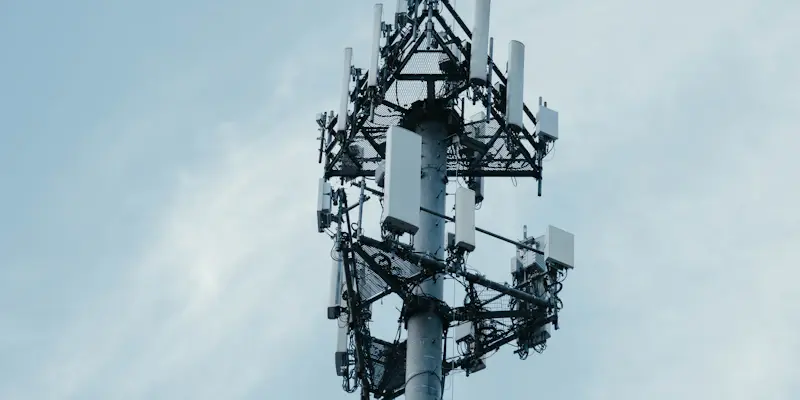
Vodafone Idea’s collaboration with Nokia to upgrade and expand its optical transport network in India is a significant strategic move aiming to address the increasing demand for improved connectivity and prepare itself for 5G deployment. By leveraging Nokia’s advanced optical switching technology, this partnership aims to provide scalable solutions without the need for extensive future infrastructure modifications. Jagbir Singh, the CTO of Vodafone Idea, has highlighted the compatibility of Nokia’s innovative solutions with the company’s goals. This move is expected to enhance customer experience considerably and ensure robust network readiness across various regions in India.
Strategic Infrastructure Modernization
The deployment of 5G in Mumbai has showcased Nokia’s commitment to energy-efficient technologies, coupled with an AI-powered Self-Organizing Network (SON) that dynamically optimizes network performance. These technological advancements are intended to bolster Vodafone Idea’s competitive edge through unlimited 5G plans starting at affordable prices. Despite being the third-largest private telecom operator in India, Vodafone Idea faces intense competition from well-established players like Reliance Jio Infocomm and Bharti Airtel. Therefore, expanding coverage from 77% to 90% by mid-2027 has become imperative for maintaining relevance and market share.
Strengthening financial resources has been a critical focus for Vodafone Idea during this expansion. New funds are being deployed to enhance network infrastructure and reduce subscriber losses, particularly in high-traffic areas spanning 17 licensed telecom circles. This significant investment underscores the strategic imperative of staying competitive in India’s rapidly evolving digital landscape. Partnering with industry giants like Ericsson and Samsung, in addition to Nokia, Vodafone Idea’s $3.6 billion investment over three years underscores the company’s commitment to modernizing its infrastructure to support 4G and 5G services nationwide.
Enhancing Market Position
Collaborating with Nokia, among other industry players, is part of Vodafone Idea’s strategic effort to modernize its telecommunications infrastructure. This comprehensive strategy not only focuses on substantial enhancements in 4G and 5G coverage but also aims to provide superior customer experiences. By integrating Nokia’s technology and expertise, Vodafone Idea commits to delivering services that meet the highest standards of reliability and performance. This alignment is not just about connectivity but also about setting the groundwork for future technological advancements.
The rollout of 5G services in metropolitan areas like Mumbai is a testament to Vodafone Idea’s proactive approach towards embracing next-generation technologies. With artificial intelligence playing a crucial role in network optimization, the company’s goal is to ensure that customers enjoy seamless, high-speed internet services. This move is expected to attract more users, particularly those seeking high-quality, uninterrupted connectivity.
Moreover, Vodafone Idea is also focused on financial strategies to support its ambitious expansion plans. Raising new funds is pivotal in maintaining and upgrading its network capabilities to cater to the increasing demand for data services. By doing so, Vodafone Idea aims to mitigate subscriber churn and ensure that it meets its target of expanding its network coverage to 90% by mid-2027.
Long-Term Vision for Leadership
Vodafone Idea’s partnership with Nokia to upgrade and expand its optical transport network in India marks a strategic effort to cater to the rising demand for enhanced connectivity and prepare for 5G deployment. Utilizing Nokia’s state-of-the-art optical switching technology, the collaboration aims to deliver scalable solutions without necessitating extensive future infrastructure changes. Jagbir Singh, the CTO of Vodafone Idea, emphasized that Nokia’s cutting-edge solutions align well with the company’s objectives. This strategic move is anticipated to significantly improve customer experience and ensure robust network readiness across various regions in India. Moreover, the upgrade using advanced technology will facilitate more efficient data transmission, better operational efficiency, and reduced latency, key factors in supporting high-speed, reliable internet access. Thus, this collaboration is set to bolster Vodafone Idea’s infrastructure, positioning it favorably in a competitive market and ensuring it can meet the demands of modern connectivity standards.