

Introduction
Achieving a perfectly flat display on a foldable smartphone has long been the industry’s ultimate goal, yet many consumers still find themselves distracted by the tactile ridge running down the center of their screens. The global launch of the Oppo Find N6 on March 17 at 7:00 PM GMT aims to resolve this persistent hurdle through structural innovation. This flagship represents a major shift toward seamless interaction by prioritizing refined aesthetics and durability.
This exploration evaluates the practical implications of the latest hardware breakthroughs. Readers can expect to learn how the manufacturer intends to redefine the foldable market by addressing user grievances regarding screen texture. The scope includes an analysis of the ultra-slim design, the advanced camera system, and the AI-driven productivity tools designed for professional workflows.
Key Questions or Key Topics Section
What Technology Powers the New Zero-Feel Crease Experience?
The physical crease has remained a prominent barrier to the adoption of foldables. This tactile imperfection often interferes with content consumption, leading to a fragmented experience. Engineers have iterated on hinge designs to minimize the stress placed on the flexible panel during every fold. To solve this, the Find N6 introduces Zero-Feel Crease technology. This system allows the screen to fold into a teardrop shape inside the body, significantly reducing the tension that creates a permanent groove. The display appears virtually flat when opened, providing a smooth surface indistinguishable from traditional glass.
How Does the Find N6 Balance Portability with Professional Camera Hardware?
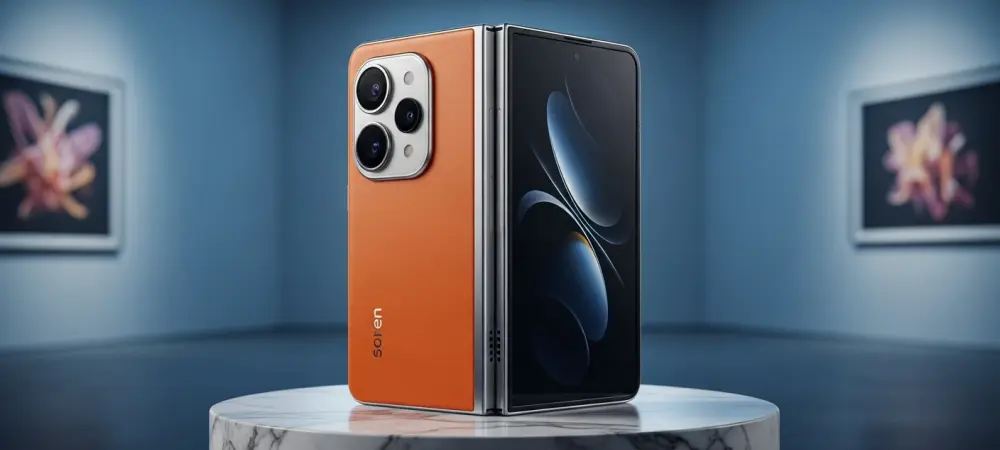
Most foldables struggle to incorporate high-end sensors without becoming bulky. Users typically have to choose between a thin profile and the optical performance found in standard flagships. Maintaining an ergonomic feel while housing sophisticated glass elements requires a precise redistribution of internal components. The Find N6 addresses this challenge with an ultra-slim chassis that mimics the comfort of a standard bar-style smartphone. It integrates a symmetrical Cosmos Ring module, housing a 200-megapixel Hasselblad Ultra-Clear Camera system. This ensures top-tier photography capabilities without sacrificing its pocket-friendly dimensions.
What Additional Features Enhance the Productivity Potential of This Device?
Modern professionals require more than just a large screen; they need tools for fast note-taking. While a foldable display offers more real estate, it often lacks the specialized input methods necessary for high-level creative work. Style also plays a role in how these premium devices are perceived. Productivity is bolstered by the Oppo AI Pen, an accessory designed for precision on the internal display. It supports AI-driven features that streamline digital workflows, though it requires a specific case for charging. Furthermore, colorways like Stellar Titanium and Blossom Orange provide a sophisticated aesthetic that matches the performance.
Summary or Recap
The Oppo Find N6 positions itself as a definitive solution to the limitations of previous foldable generations. By combining Zero-Feel Crease technology with a professional Hasselblad camera, the manufacturer addresses the primary demands of high-end consumers. The device maintains a thin profile while offering robust tools like the AI Pen, ensuring it functions as a mobile workstation. These advancements suggest a future where the distinction between foldable and traditional phones continues to blur.
Conclusion or Final Thoughts
The evolution of foldable technology reached a significant milestone with the introduction of more durable hinge structures and high-resolution optics. As manufacturers pushed the boundaries of material science, the focus shifted from mere novelty to practical daily utility. Early adopters who once worried about screen longevity or bulky designs found that these concerns were systematically addressed by iterative improvements in engineering. This progress encouraged a broader segment of the market to consider how a versatile, crease-free display changed their approach to mobile productivity.