

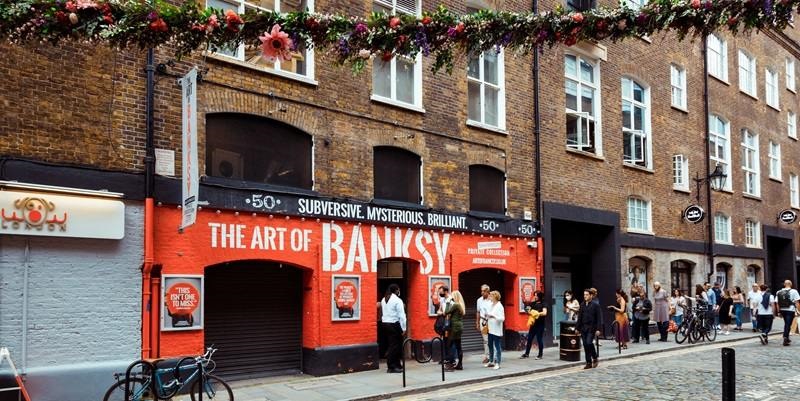
The fusion of art and technology has embarked on an unprecedented path with the launch of the BANKSY token on the Solana blockchain. This venture, initiated by the platform Banksy.fyi and propelled through Pump.Fun, signifies a pivotal moment that bridges the realms of creative ingenuity and digital innovation. As the world speculates on the true involvement of the enigmatic street artist Banksy, the global community of art and crypto enthusiasts remains captivated. The BANKSY token not only represents a groundbreaking development in both sectors but also serves as a testament to the potential for blockchain technology to revolutionize traditional artistic mediums and reshape how we interact with art.
The Emergence of the BANKSY Token
The advent of the BANKSY token on the Solana blockchain is a groundbreaking development in the art and blockchain sectors. Integrating blockchain technology into the art world offers several advantages, including high-speed transactions and minimal operational costs. Solana’s robust infrastructure has been chosen for this initiative due to its efficiency and scalability, ensuring a seamless and accessible platform for users. The implications of such integration are far-reaching and could well set the stage for new forms of artistic expression and interaction.
The BANKSY token represents more than just a digital asset; it is a manifestation of how blockchain can reshape traditional artistic mediums. The project’s launch has spurred a new wave of interest in how art is created, authenticated, and distributed. High-speed, low-cost transactions are crucial for the widespread adoption and success of such an innovative endeavor, making Solana an optimal choice. Moreover, the decentralized nature of blockchain technology allows for greater transparency and security—key issues in the art world where provenance and ownership are continually contested.
Speculation and Buzz Surrounding Banksy’s Involvement
One of the most intriguing aspects of the BANKSY token project is the ongoing speculation about Banksy’s direct involvement. Known for his provocative and politically charged art, Banksy’s connection to this project adds an additional layer of complexity and allure. The street artist’s penchant for challenging societal norms aligns perfectly with the disruptive nature of blockchain technology. Whether Banksy himself is involved or the project merely draws inspiration from his work, the notion that he could be participating lends an element of excitement and mystery that has captivated global audiences.
While there is no definitive proof of Banksy’s involvement, the speculation has effectively captured the imaginations of both art aficionados and crypto enthusiasts worldwide. This debate has ignited numerous discussions and fueled global interest, heightening the project’s visibility and engagement. Whether or not Banksy is behind this initiative, the project’s spirit resonates with his ethos, magnifying its impact. The mere possibility of his involvement has introduced a rich tapestry of dialogue and curiosity that is invaluable for both the art and blockchain communities.
Community Engagement and Global Fascination
The BANKSY token launch has created a unique opportunity for community engagement. By blending the enigmatic allure of Banksy with the cutting-edge capabilities of blockchain, the project has drawn a diverse audience. This initiative has captivated a global community, uniting art lovers, tech enthusiasts, and investors through a shared curiosity and excitement. The project’s ability to engage such a wide array of individuals points to a greater trend: the increasing intersection between traditional art communities and the digital frontier.
The mystery surrounding Banksy is a significant driver of engagement, keeping the community actively involved and fostering continuous discussions. This engagement is crucial for the project’s success, demonstrating the powerful synergy between online communities and digital art platforms. The BANKSY token project exemplifies how digital innovation can unite disparate groups around a common interest, paving the way for future collaborations. Through its unique blend of art and technology, the project has become a focal point for conversations about the future of both fields, sparking debates and fostering a sense of shared exploration.
Technological Innovations and Artistic Expression
The BANKSY token project is a shining example of the potential for digital innovation within creative fields. By leveraging the Solana blockchain, the initiative offers novel ways for artists to express themselves and for audiences to engage with art. Blockchain technology addresses critical issues of provenance and ownership, enhancing transparency and authenticity in the art market. This foundational shift has the potential to disrupt traditional art markets, challenging longstanding norms and opening new avenues for artistic and financial interactions.
The integration of blockchain and art exemplifies a broader trend toward digital transformation in the creative industry. The BANKSY project uses technology to democratize artistic expression, breaking down traditional barriers and promoting greater accessibility. This initiative is more than a mere digital fascination; it symbolizes a paradigm shift in how art is perceived and valued in the modern age. By enabling secure, transparent transactions and ensuring fairness in ownership, the project paves the way for a more inclusive and equitable art world.
Democratizing Access to Art
A cornerstone of the BANKSY token project is its mission to democratize access to art. By utilizing blockchain, the initiative challenges the elitist structures that have historically dominated the art market. This approach aligns with Banksy’s long-standing goal of making art accessible to a wider audience, beyond the confines of galleries and auction houses. The democratization of art entails more than just wider access; it also involves the decentralization of ownership, making art more reachable and relatable.
The use of blockchain technology in art ensures that ownership and provenance are transparent, allowing for a more inclusive and equitable art market. This shift toward democratization is not only beneficial for artists but also for collectors and enthusiasts who seek genuine and verifiable works. The BANKSY project stands as a beacon for future endeavors aiming to create an inclusive and fair artistic landscape. By leveraging technology to challenge traditional hierarchies, the initiative may well inspire other artists and collectors to rethink how they approach the creation and distribution of art.
Future Prospects and Potential Impacts
The confluence of art and technology has reached an exciting new phase with the introduction of the BANKSY token on the Solana blockchain. This innovative project is spearheaded by Banksy.fyi and promoted through Pump.Fun, marking a significant milestone in merging artistic creativity with technological advancements. As the world buzzes with speculation about Banksy’s actual involvement, the global communities of art and cryptocurrency enthusiasts are undeniably intrigued. The BANKSY token stands out as a monumental breakthrough in both the art and crypto spheres, demonstrating the transformative potential of blockchain technology. Beyond its novelty, this token underscores the capability of blockchain to revolutionize traditional art mediums and redefine our interaction with artwork.
The BANKSY token is more than just a digital asset; it symbolizes a new era where the boundaries of artistic expression and technological innovation blur seamlessly. Collectors and investors are now rethinking the value and ownership of art, envisioning a future where digital and physical art coexist in unprecedented ways. This fusion also opens up discussions on authenticity, provenance, and accessibility, making art more inclusive and transparent. In essence, the BANKSY token is not just a step forward; it’s a leap into the future of how we conceive and engage with art in the digital age.