

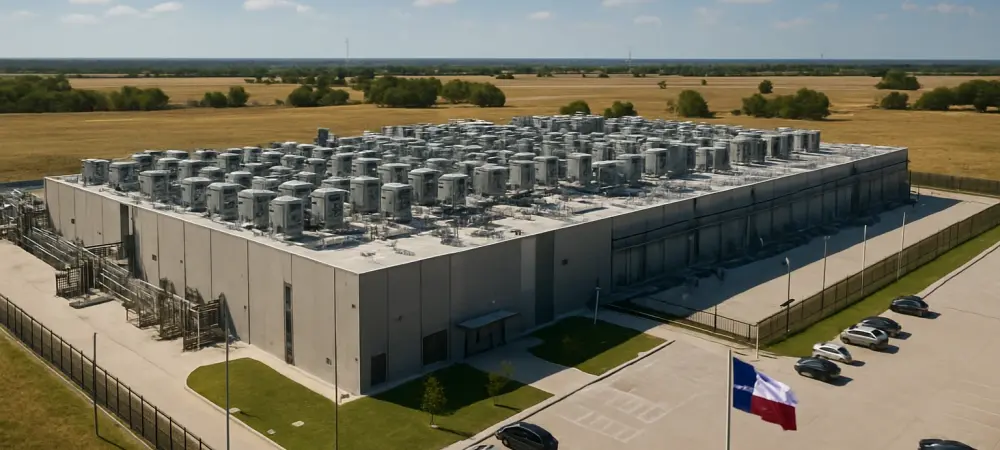
What if the heartbeat of tomorrow’s artificial intelligence pulses from a quiet stretch of rural Texas? Picture a 1,200-acre expanse in Shackelford County, near Abilene, where Vantage Data Centers is constructing a colossal $25 billion data center campus. Known as the Frontier campus, this 1.4-gigawatt behemoth isn’t just about servers and circuits—it’s about powering the AI revolution that could transform industries, reshape economies, and redefine daily life. This isn’t a distant dream; construction is already underway, with the first building slated to go live in just over a year. Dive into why this development is capturing global attention.
The stakes couldn’t be higher in an era where AI and cloud computing demand unprecedented infrastructure. Vantage’s ambitious project arrives at a pivotal moment, addressing the skyrocketing need for high-capacity, sustainable data centers to fuel technologies like machine learning and generative AI. Far beyond a local story, this campus positions Texas as a central player in the digital economy, promising thousands of jobs and billions in economic impact. It’s a development that could influence everything from app performance to global innovation, making it a critical piece of the tech puzzle worth exploring.
Why Texas Matters in the AI Infrastructure Boom
Texas has emerged as a powerhouse for tech infrastructure, thanks to its business-friendly policies, expansive land, and strategic central location. With AI workloads growing at an exponential rate—projected to increase data center demand by 160% from 2025 to 2030, according to industry analysts—states like Texas are becoming the backbone of digital transformation. Vantage’s decision to plant its largest-ever campus near Abilene isn’t random; it’s a calculated move to leverage the region’s advantages while meeting the urgent needs of tech giants and startups alike.
This isn’t just about geography, though. The state’s supportive regulatory environment and access to renewable energy sources make it an ideal hub for sustainable tech growth. Vantage’s Frontier campus, with its 1.4-gigawatt capacity, exemplifies how Texas is stepping up to address global challenges in AI infrastructure, balancing massive power requirements with environmental considerations. Nearby projects, such as Crusoe’s data center supporting Oracle and OpenAI, further cement the region as a hotbed for cutting-edge digital facilities.
Unpacking the Frontier Campus: A Giant in Scale and Vision
Spanning 1,200 acres, the Frontier campus represents a $25 billion investment that dwarfs many tech initiatives worldwide. It will house 10 data centers totaling 3.7 million square feet, engineered to handle rack densities exceeding 250 kilowatts—a benchmark for supporting high-intensity AI workloads. With construction progressing rapidly, the first facility is expected to be operational by late 2026, setting the stage for a transformative presence in the industry.
Innovation defines every aspect of this project. Advanced liquid cooling and closed-loop chiller systems are being integrated to slash water consumption, a critical concern in data center operations. Additionally, Vantage is pursuing LEED certification, signaling a commitment to green building standards that could set a precedent for future developments. Located 125 miles west of Fort Worth, the campus also features three Meet-Me-Rooms for superior connectivity and stringent security measures like single-entry points per building.
The economic implications are equally staggering. Thousands of jobs are projected to emerge, from construction roles to long-term tech positions, invigorating Shackelford County and beyond. This isn’t merely a tech story—it’s a catalyst for regional growth, promising to elevate Texas’s status as a leader in the digital landscape while delivering tangible benefits to local communities.
Voices of Impact: Leaders and Locals Weigh In
Texas Governor Greg Abbott has hailed the Frontier campus as a cornerstone of economic progress, emphasizing its potential to “generate thousands of high-paying jobs and bolster both local and state economies.” His endorsement reflects the state’s enthusiasm for tech-driven development, viewing projects like this as vital to maintaining a competitive edge in the national and global markets.
Vantage’s North American president, Dana Adams, echoed this sentiment, focusing on the campus’s strategic importance. “This development meets the surging demand for AI-driven digital infrastructure, and Texas stands out as a critical market for such innovation,” Adams noted. This perspective highlights how the project aligns with broader industry trends, positioning Vantage at the forefront of the AI infrastructure race.
On the ground, Shackelford County Judge John Viertel expressed optimism about the community benefits. “The partnership with Vantage opens doors to educational opportunities, job creation, and significant financial contributions to local development,” Viertel stated. His comments reveal a shared vision among stakeholders, where technological advancement and community upliftment go hand in hand, fostering a sense of pride in being part of a pioneering endeavor.
Opportunities Ahead: Engaging with a Tech Powerhouse
For businesses reliant on AI and cloud computing, the Frontier campus offers a unique chance to tap into cutting-edge infrastructure. Companies can begin exploring potential partnerships with Vantage, keeping an eye on project milestones from 2025 to 2027 as the campus scales up. Such collaborations could provide access to high-capacity, sustainable facilities tailored for the most demanding tech applications.
Local communities and educational institutions in Shackelford County stand to gain immensely by preparing for the influx of opportunities. Developing workforce training programs in partnership with Vantage could equip residents with skills for tech-related roles, ensuring the economic benefits are widely shared. Schools and colleges might consider initiatives focused on STEM education to align with the campus’s long-term needs.
Sustainability advocates also have a stake in this development. The project’s focus on water-efficient cooling and green certifications provides a blueprint for eco-friendly tech infrastructure. Activists and policymakers can champion these practices, pushing for similar standards in other regions and industries, thereby amplifying the campus’s influence on global sustainability efforts.
Reflecting on a Legacy of Innovation
Looking back, Vantage Data Centers’ Frontier campus in Texas stood as a monumental achievement, blending unprecedented scale with forward-thinking design. The $25 billion investment had reshaped Shackelford County, driving economic growth through thousands of jobs and cementing the region’s role in the AI era. Its sustainable technologies had set new benchmarks, proving that massive digital infrastructure could coexist with environmental responsibility.
As the project unfolded, it became clear that active engagement was essential for maximizing its impact. Businesses had to seek partnerships, communities needed to invest in skill-building, and advocates were tasked with promoting its green innovations as a model for the future. The legacy of this campus ultimately rested on how stakeholders harnessed its potential, ensuring that the digital frontier it represented paved the way for inclusive, sustainable progress across industries and regions.