

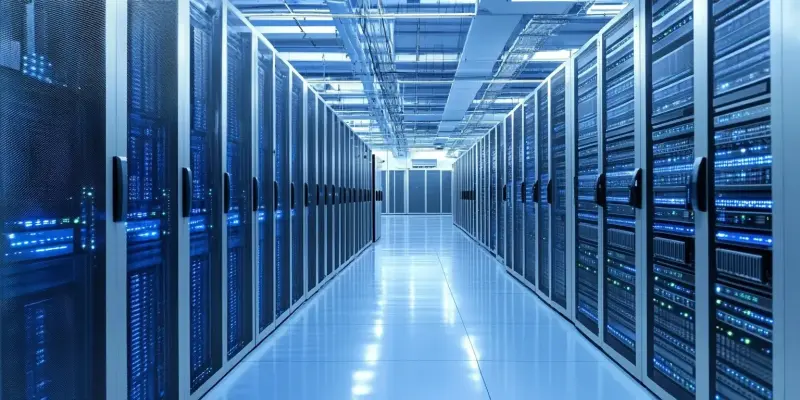
The rapid expansion of data centers, particularly those powered by artificial intelligence (AI), has led to a dramatic increase in electricity demand, creating a substantial challenge for grid planners. These planners are now under pressure to devise innovative solutions that ensure a reliable power supply, reduce emissions, and mitigate the negative impacts on consumers. The burgeoning demand for electricity necessitates a reevaluation of the current grid infrastructure and the adoption of strategic measures to accommodate the extraordinary growth of data centers without compromising the environment or the reliability of the power supply.
RMI, formerly known as the Rocky Mountain Institute, recently forecasted an alarming 15.8% increase in electricity demand over the next five years, far surpassing earlier projections of 4.7%. This significant rise in demand is predominantly attributed to the rapid proliferation of AI-driven data centers. This sharp increase underscores the urgent need for proactive grid planning to handle the added pressure on the energy infrastructure and to prevent potential disruptions in the power supply. The reliance on conventional grid systems to support the growing energy needs of data centers presents several challenges, which necessitate adopting innovative strategies.
The Mounting Electricity Demands of AI Data Centers
As more AI-driven data centers come online, the stress on traditional power grids intensifies, threatening to overwhelm existing infrastructure. This surge in electricity demand is not merely a theoretical concern but a practical issue with immediate implications for energy planners. RMI’s recent analysis indicates that the demand for electricity is projected to grow by 15.8% over the next five years, driven largely by the expansion of these energy-intensive facilities. This increase necessitates innovative approaches in grid planning to manage the expanding loads without substantial disruptions.
The steep rise in electricity demand highlights the challenges in maintaining grid reliability and avoiding significant additional costs. Traditional grid systems are often inadequate to handle the rapid load increases associated with new data centers. The need for a more flexible and adaptive grid infrastructure becomes apparent as these facilities require continuous, high-quality power with minimal downtime. Without strategic planning and the incorporation of advanced technologies, the existing grid could face significant reliability issues and increased operational costs.
The “Power Couple” Strategy
One innovative approach advocated by RMI is the “Power Couple” strategy, which involves constructing data centers at existing gas interconnection points, such as underutilized peaker plant sites. This co-location strategy allows for the seamless integration of renewable energy sources without necessitating extensive and costly grid upgrades. By situating data centers at these specific sites, significant new data center loads can be accommodated swiftly while maintaining a high percentage of carbon-free energy.
This method not only reduces system-wide emissions but also ensures the reliability and affordability of the grid. Leveraging existing infrastructure at gas interconnection points offers a practical solution to the growing electricity demand posed by data centers. Uday Varadarajan, a senior principal at RMI, exemplifies the advantages of this approach, suggesting that it can quickly add over 50 gigawatts (GW) of new data center loads with an average of 88% carbon-free energy. The strategy provides a dual benefit of enhancing grid reliability and mitigating environmental impacts without requiring substantial grid reinforcements.
Transforming Data Centers into Grid Assets
Data centers have traditionally been seen as power consumption threats due to their immense electricity needs, but the American Council for an Energy-Efficient Economy (ACEEE) proposes a transformative perspective. By investing in battery storage and smart meter installations, data centers could be turned into valuable grid assets. These smart technologies allow data centers to manage their energy supply more efficiently and provide a buffer to address rising power demands. The integration of such technologies ensures that data centers meet the stringent reliability standards essential for their continuous operation.
Employing battery storage and smart meter technologies enables data centers to achieve the “five-nines” standard, denoting 99.999% availability, which translates to minimal downtime and high service reliability. This level of dependability is crucial for the operation of AI-driven data centers, which require uninterrupted power to function effectively. By evolving from power consumption threats to integral components of a smart grid, data centers can significantly contribute to stabilizing the grid and preventing outages.
The Role of Gas and Renewables
In the quest to support the expanding energy demands of data centers, gas has emerged as a critical power source due to its ability to provide firm and flexible power. However, renewables remain essential in meeting the increasing power needs. According to Rystad Energy, integrated oil companies are seizing this opportunity by constructing gas plants, yet the reliance on renewable energy remains a pivotal aspect of the future energy landscape. The report highlights that over two terawatts of potential energy projects, predominantly composed of renewable sources, are currently pending grid interconnection approval.
Despite the essential role of gas in offering immediate power solutions, the growing dominance of solar and wind resources on the U.S. grid underscores the accessibility and affordability of clean energy. Clean energy sources like solar and wind are easier to scale up compared to new gas projects, which require extensive infrastructure development. The focus on renewable energy for future projects exemplifies the shift toward sustainable power generation methods to meet the burgeoning needs of data centers.
Rising Energy Costs and Political Influences
The surge in electricity requirements driven by AI data centers is contributing to rising energy costs, with U.S. electricity expenses projected to reach a 30-year high. This escalation in energy costs is prompting a critical consideration for grid planners, who must balance the development of new gas projects against the scaling of renewable energy resources. Clean energy’s increasing accessibility and affordability offer a more viable solution compared to the complex and costly process of initiating new gas-based infrastructure projects.
Political strategies, such as those promoted by former President Donald Trump, emphasized extensive gas production and have influenced the current energy landscape. The Project 2025 energy strategy, proposed by the conservative Heritage Foundation, is partially implemented and raises concerns about its full adherence by the current administration, highlighting the intricate interplay between political decisions and grid modernization efforts. The potential dismantling of the Office of Grid Deployment, tasked with making the grid resilient and capable of efficiently transmitting power, poses additional challenges for accommodating the growing demand from data centers.
Sustainability of the AI Boom
The rapid expansion of data centers, especially those driven by artificial intelligence (AI), has significantly increased electricity demand, posing a significant challenge for grid planners. These planners must now devise innovative solutions to ensure a reliable power supply, reduce emissions, and mitigate adverse effects on consumers. The rising need for electricity calls for a reevaluation of the current grid infrastructure and strategic measures to accommodate the booming growth of data centers without compromising the environment or power reliability.
RMI, formerly the Rocky Mountain Institute, recently predicted a concerning 15.8% increase in electricity demand over the next five years, far exceeding previous estimates of 4.7%. This substantial rise in demand is mainly due to the rapid proliferation of AI-driven data centers. This sharp increase highlights the urgent need for proactive grid planning to handle the additional strain on the energy infrastructure and prevent disruptions in the power supply. Reliance on conventional grid systems to support the growing energy demands of data centers presents various challenges, necessitating the adoption of innovative strategies.