

The global explosion of artificial intelligence has created an insatiable appetite for reliable, 24/7 power that traditional electrical grids are increasingly struggling to satisfy without major upgrades. As data center operators face mounting pressure to reduce their carbon footprints while maintaining Tier IV availability, the search for sustainable alternatives to diesel backup generators has moved from a secondary concern to a primary strategic objective for the world’s largest technology firms. Plug Power, a company traditionally associated with hydrogen-powered forklifts and warehouse logistics, has identified this shift as a critical opportunity to reorient its business model toward the high-margin, high-growth sector of mission-critical digital infrastructure. This pivot represents more than just a search for new customers; it is a fundamental attempt to stabilize a balance sheet that has historically been plagued by high burn rates and capital intensity. By positioning its proton exchange membrane fuel cell technology as the primary solution for data center power, the organization aims to secure the recurring revenue necessary to finally achieve operational sustainability.
Strategic Shifts: Harnessing the Hydrogen Infrastructure
Infrastructure Integration: Powering Modern Computing
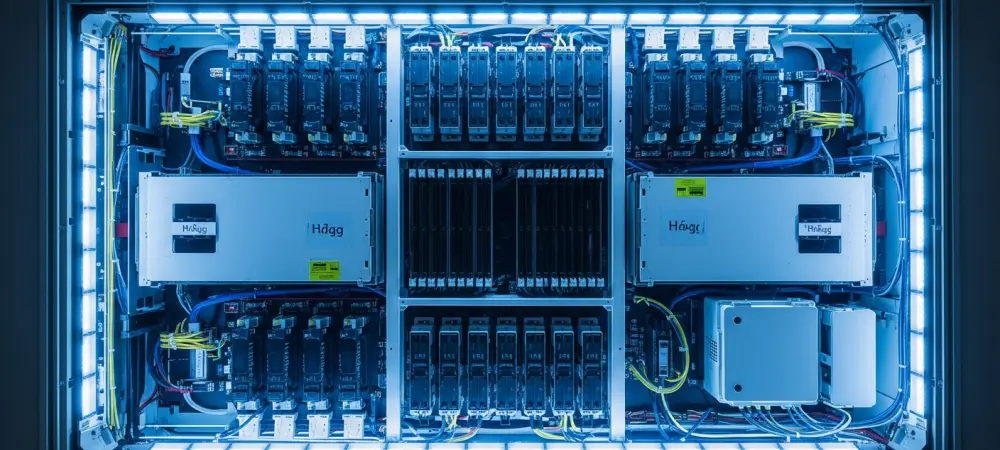
The integration of hydrogen fuel cells into the data center environment offers a compelling solution to the constraints of traditional power distribution networks. These facilities require immense amounts of electricity to run high-performance computing clusters, and the delay in grid connections has become a significant bottleneck for scaling AI operations. Plug Power’s strategy involves deploying large-scale PEM fuel cell systems that can provide primary or backup power independently of the local utility company. This independence is particularly attractive in regions where the grid is already operating at near-maximum capacity or where environmental regulations limit the use of carbon-heavy energy sources. By utilizing liquid hydrogen stored on-site, data centers can maintain continuous operations during grid outages without the noise or emissions associated with legacy diesel hardware. This technological deployment serves as a live demonstration of how hydrogen can move beyond niche industrial applications into the backbone of the digital economy.
Local Production: Optimizing the Hydrogen Supply Chain
Moving beyond simple backup power, the company is also focusing on the development of full-scale electrolyzer plants that can produce green hydrogen locally, thereby creating a closed-loop energy system for large hyperscale campuses. This approach addresses one of the primary criticisms of hydrogen technology: the logistical complexity and cost of transporting the fuel over long distances. By co-locating production with consumption, the organization is attempting to reduce the total cost of ownership for its clients while simultaneously increasing the efficiency of the entire energy value chain. The transition from mobile equipment like forklifts to stationary power represents a significant increase in the scale of individual contracts, moving the firm toward larger, multi-year agreements with major technology enterprises. These partnerships are expected to provide a more predictable demand profile, which is essential for managing the procurement of raw materials and the manufacturing schedules of fuel cell components.
Operational Milestones: Scaling for Industrial Demand
Economic Resilience: Addressing Cash Flow Volatility
Liquidity remains the central challenge for the organization as it navigates the transition from a growth-stage entity to a mature industrial power provider. Historically, the heavy reliance on capital markets to fund operational losses has created a cycle of share dilution that has tested investor patience. However, the pivot toward data center applications introduces a different financial dynamic characterized by higher upfront capital expenditures but more lucrative service and fuel supply contracts. By securing large-scale projects with tech giants, the company aims to leverage these firm commitments to access more favorable financing terms, including government-backed loans and private debt instruments. This shift in the revenue mix is designed to mitigate the volatility inherent in shorter-term sales cycles. The ability to demonstrate a clear path to positive cash flow through these infrastructure-heavy projects is vital for restoring confidence among institutional lenders and ensuring that the company can maintain its aggressive expansion plans from 2026 to 2028.
Strategic Outlook: Ensuring Market Leadership and Stability
In conclusion, the strategic realignment toward the data center market provided a necessary pathway for the organization to address its liquidity concerns and establish a more stable financial foundation. The successful deployment of megawatt-scale fuel cell systems demonstrated the technical viability of hydrogen as a primary energy source for mission-critical infrastructure. Stakeholders recognized that the shift from small-scale mobility to large-scale stationary power changed the economic profile of the firm, making it a more attractive partner for long-term investment. Moving forward, the focus shifted toward optimizing the efficiency of the green hydrogen production network and ensuring that the cost of fuel remained competitive with traditional energy sources. Decision-makers in the industry prioritized the integration of these systems into new facility designs to maximize the benefits of on-site power generation. The firm’s ability to execute these large-scale projects served as a definitive test of its operational maturity, ultimately proving that hydrogen could play a central role in the energy transition.