

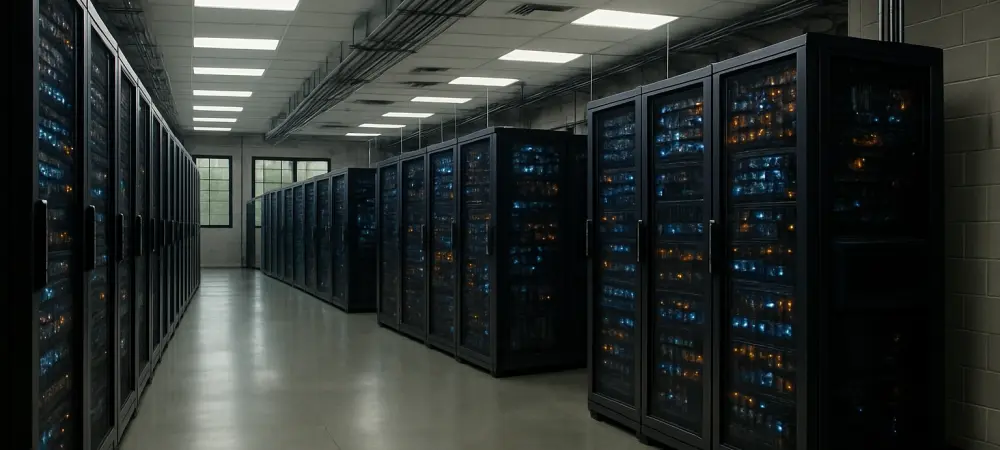
Pennsylvania, a state once defined by steel and coal, now stands at the forefront of a technological revolution, vying for dominance in a $70 billion national data center market. Picture vast facilities humming with servers, powering the artificial intelligence (AI) systems that drive modern life—from cloud computing to machine learning. This isn’t happening in Silicon Valley or Northern Virginia, but in the heart of the Rust Belt, where abandoned industrial sites are transforming into hubs of digital innovation. What makes this state an unexpected contender, and could it truly reshape the future of AI infrastructure?
The significance of this shift cannot be overstated. Data centers are the backbone of the digital economy, and as AI demand surges, the race to build and power these facilities has become a high-stakes battleground for economic growth. Pennsylvania’s ambitious $70 billion initiative positions it as a serious player, promising not just jobs and investment but a chance to redefine its legacy. This story explores how the state leverages unique advantages, attracts heavyweight investors, and navigates challenges to stake its claim in an industry poised to shape the coming decades.
Why Pennsylvania Is Grabbing Tech’s Attention
Once overlooked by the tech sector, Pennsylvania has emerged as a surprising hotspot for data center development. The state’s bold plan, backed by a staggering $70 billion commitment, aims to transform its economic landscape by capitalizing on the AI boom. Unlike traditional tech hubs, this region offers a gritty, industrial backdrop now being repurposed for cutting-edge infrastructure, sparking curiosity across the industry about whether it can sustain such an ambitious pivot.
Major players are already taking notice, with investments pouring in from tech giants and infrastructure firms. This isn’t merely about constructing buildings; it’s about reimagining a state’s identity, moving from a manufacturing past to a tech-driven future. The scale of this transformation has analysts and operators alike reevaluating long-held assumptions about where digital innovation can thrive.
The High Stakes of the Data Center Surge
The explosion of AI technologies has fueled an unprecedented need for data centers, creating a national market valued at $70 billion. These facilities, which house the servers powering everything from streaming services to complex algorithms, require immense energy and strategic positioning. For any region, securing a foothold in this sector translates to substantial economic benefits, including high-paying jobs and long-term growth.
Pennsylvania’s pursuit of this opportunity comes at a critical juncture. With established hubs like Northern Virginia and Texas dominating the landscape, the state must carve out a niche by addressing historical economic challenges. Success here could mean a dramatic shift, turning a region once plagued by industrial decline into a beacon of technological progress, while failure risks falling behind in a fiercely competitive race.
Pennsylvania’s Winning Strategy: Power, Funds, and Forward Thinking
At the heart of Pennsylvania’s approach lies its energy abundance, a crucial asset for the power-hungry world of AI data centers. As the second-largest natural gas producer in the U.S. and a top coal provider, the state offers a cost-effective and reliable energy supply, outpacing regions reliant on less stable sources. This advantage positions it as an attractive destination for companies facing skyrocketing electricity demands.
The $70 billion state initiative, rolled out with a focus on long-term impact, prioritizes infrastructure over mere construction. Significant funds are allocated to upgrading power grids and establishing training programs like the Energy Innovation Center Infrastructure Academy, ensuring a skilled workforce. Meanwhile, private investments—such as Blackstone’s $25 billion redevelopment of a steel mill in Aliquippa, CoreWeave’s $6 billion project in Lancaster, and Google’s 670 MW hydropower agreement—reflect robust confidence in the state’s vision.
Beyond resources and funding, innovation drives this strategy forward. Collaborative efforts between state officials and private entities streamline development, while sustainable projects like hydropower deals appeal to environmentally conscious investors. This multifaceted plan demonstrates a commitment to not just joining the race, but leading it with a balanced and forward-looking blueprint.
Insights from the Frontlines: What Experts Are Saying
Industry voices are amplifying the buzz around Pennsylvania’s potential. Alvin Nguyen of Forrester Research describes the recent wave of investments as “unprecedented,” suggesting that the state could disrupt entrenched data center markets. Such endorsements highlight a growing consensus that this region is no longer a long shot but a formidable competitor.
Operators on the ground echo this sentiment. Joe Minarik from DataBank praises the state’s regulatory efficiency, noting, “Pennsylvania is cutting through bureaucratic obstacles in ways other regions haven’t matched.” Stories of transformation, like the conversion of Aliquippa’s shuttered steel mill into a high-tech data center, add tangible evidence to these claims, painting a picture of a state rewriting its narrative.
This blend of expert analysis and real-world impact underscores a pivotal shift. The momentum isn’t just theoretical; it’s visible in the partnerships and projects reshaping communities, fueling optimism that Pennsylvania could set a new standard for how states approach tech-driven economic revival.
Sustaining the Momentum: A Blueprint for Leadership
To solidify its position, Pennsylvania must tackle key priorities with precision. Ensuring grid reliability tops the list, as AI data centers demand consistent power—partnerships with utilities like PPL Corp. are already laying the groundwork for essential upgrades. Addressing this challenge head-on will prevent bottlenecks that could stall growth.
Equally vital is workforce development, with facilities like the Energy Innovation Center Infrastructure Academy preparing talent for specialized roles. Additionally, maintaining a business-friendly climate through bipartisan support and streamlined regulations will keep investors engaged. Finally, embracing sustainability, as seen in Google’s hydropower initiative, can attract eco-minded firms while enhancing the state’s global reputation, ensuring that progress aligns with broader environmental goals.
Reflecting on a Bold Leap Forward
Looking back, Pennsylvania’s journey into the data center arena marked a daring departure from its industrial roots. The state harnessed its energy wealth, secured billions in investments, and built a framework for innovation that challenged conventional tech hubs. Each step—from infrastructure upgrades to workforce training—reflected a calculated effort to redefine what was possible.
As this chapter unfolded, the path ahead became clearer. Continued collaboration between public and private sectors must drive the next phase, ensuring that grid enhancements keep pace with demand. Expanding sustainable practices will further cement the state’s appeal, while ongoing training programs can secure a lasting talent pool. These actionable steps offer a roadmap for not just sustaining, but amplifying, the remarkable strides already made.