

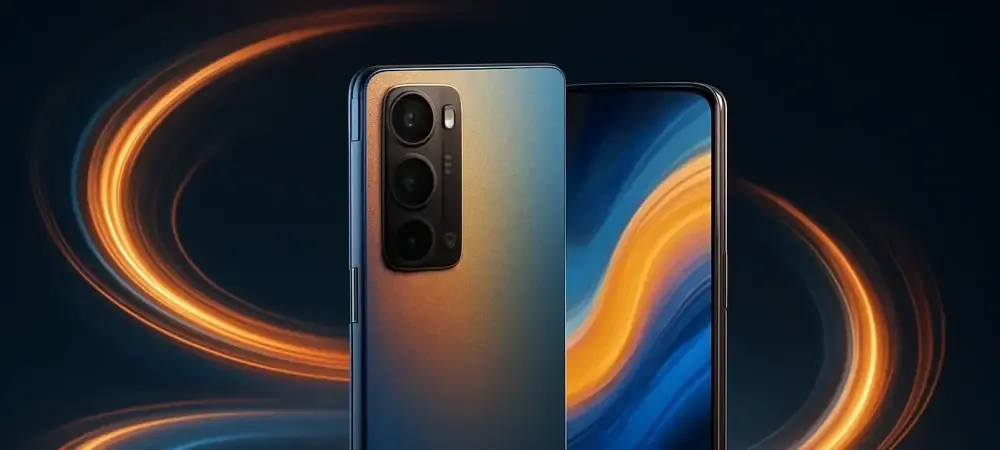
Setting the Stage for Smartphone Innovation
Imagine a smartphone that can last days on a single charge, capture professional-grade photos with a tap, and run the most demanding apps without a hiccup. This vision is becoming reality with Oppo’s latest flagship lineup, unveiled on October 16 in China. The buzz surrounding this release has tech enthusiasts and industry watchers alike eager to dissect every feature. This roundup gathers diverse perspectives from tech analysts, reviewers, and industry insiders to explore what makes this series a potential game-changer. The aim is to provide a balanced overview of opinions on its cutting-edge technology, from powerhouse chipsets to revolutionary camera systems, and what it means for consumers navigating the ever-evolving smartphone market.
Diving into the Hype: What Experts Are Saying
Performance Powerhouse: MediaTek Dimensity 9500 Under Scrutiny
Tech analysts have been quick to spotlight the MediaTek Dimensity 9500 chipset as a defining feature of this new lineup. Many praise Oppo’s decision to integrate this latest processor, noting its potential to deliver unparalleled speed and efficiency for multitasking and gaming. Reports from hardware-focused blogs suggest that the chipset could set new benchmarks for flagship devices, especially in power management.
However, not all opinions align on its competitiveness. Some industry commentators express reservations about MediaTek’s standing against more established players like Qualcomm. Forums and tech podcasts highlight a split, with certain voices arguing that real-world performance tests will be crucial to validate claims of superiority. This debate underscores a broader curiosity about whether this choice will truly elevate Oppo’s devices above the competition.
A recurring theme among reviews is the anticipation for how this chipset handles intensive applications over extended periods. Insights gathered from tech webinars indicate that if Oppo optimizes software integration, this could silence skeptics. The consensus leans toward cautious optimism, with many waiting for hands-on data to settle the discussion.
Software Innovation: ColorOS 16 and Android 16 Impressions
The debut of ColorOS 16, built on Android 16 and launched just a day before the hardware on October 15, has sparked varied reactions. Software reviewers commend Oppo for being among the first to roll out the latest Android version, emphasizing expected improvements in interface smoothness and personalization options. Tech blogs highlight how this aligns with Oppo’s reputation for user-focused updates.
On the flip side, some analysts caution about the risks of early adoption. Discussions on tech panels reveal concerns over potential bugs or compatibility issues that often accompany initial software releases. A few seasoned reviewers suggest that while the ambition is admirable, users might face a learning curve or minor hiccups until updates refine the experience.
Despite these concerns, a notable point from online tech communities is the excitement for cutting-edge features that could redefine daily smartphone use. Commentators on social platforms predict that if Oppo delivers on promised fluidity, this software could position the brand as a leader in user experience innovation. The split opinions create a compelling narrative of risk versus reward.
Camera Capabilities: Hasselblad Partnership in Focus
The collaboration with Hasselblad, especially the Pro model’s 200-megapixel periscope telephoto lens, has photographers and tech reviewers abuzz. Industry insights from camera-focused publications laud the potential for exceptional zoom and low-light performance, with some calling it a bold step toward professional-grade mobile photography. The consensus is that this could challenge rivals in a crowded market.
Contrasting views emerge on the practicality of such high-spec features. Comments from consumer tech forums question whether the average user will fully utilize a 200-megapixel sensor, with some arguing that the premium pricing might not justify niche capabilities. Review snippets suggest that while enthusiasts may revel in the detail, mainstream buyers could prioritize other aspects like battery or design.
A third perspective, often shared in tech vlogs, focuses on the broader impact of this partnership. Many believe that pushing boundaries in smartphone imaging could raise consumer expectations industry-wide. This mix of admiration and skepticism paints a picture of a feature that dazzles on paper but awaits real-world validation to win over a wider audience.
Battery Breakthrough: Unpacking the 7,000mAh and 7,500mAh Capacities
Battery life, with capacities of 7,000mAh in the standard model and 7,500mAh in the Pro, has drawn near-universal acclaim. Tech columnists describe these figures as a direct response to user frustrations over frequent charging, with many predicting a shift in how consumers approach device usage. Reports indicate that such endurance could redefine expectations for flagship phones.
Differing opinions surface on the practical implications. Some hardware experts, in discussions across tech roundtables, note that larger batteries might impact device weight or design aesthetics, potentially alienating users who value sleekness. A few reviews suggest that fast-charging advancements might lessen the need for such massive capacities in daily scenarios.
Another angle from online tech panels speculates on long-term industry trends. Commentators propose that Oppo’s move might pressure competitors to prioritize battery size in future releases, sparking a race for endurance. This variety of insights reflects both immediate user benefits and potential ripple effects across the smartphone landscape.
Market Impact and Consumer Considerations
Analyst perspectives on the market positioning of this series reveal a competitive edge. Many industry watchers agree that the combination of advanced hardware and strategic timing in China, with pre-reservations already open, shows Oppo’s intent to dominate both domestic and international spaces. Reviews often mention the teased global rollout as a key factor for worldwide anticipation.
Consumer-focused blogs offer practical advice for potential buyers. A common tip is to monitor Oppo’s official channels for updates on international availability, especially for those outside China eager to secure early access. Some tech influencers also recommend weighing the benefits of pre-order perks against waiting for initial user feedback to avoid launch-day glitches.
A contrasting viewpoint from market analysts highlights the challenge of pricing. Discussions in tech newsletters suggest that while the features justify a premium tag, affordability could influence adoption rates globally. This blend of strategic optimism and pragmatic caution provides a rounded guide for consumers navigating their purchase decisions.
Reflecting on the Buzz and Looking Ahead
Looking back, the launch of Oppo’s flagship series on October 16 stirred a whirlwind of reactions from tech circles. The diverse opinions on the MediaTek Dimensity 9500 chipset, ColorOS 16 software, Hasselblad-tuned cameras, and massive battery capacities painted a vivid picture of innovation tempered by practical concerns. Each perspective added depth to the understanding of how this lineup positioned itself in a competitive field. For those intrigued by these developments, a practical next step is to dive deeper into hands-on reviews as they emerge post-launch. Keeping an eye on global rollout announcements proves essential for international buyers aiming to experience these advancements firsthand. Exploring community forums and tech blogs also offers a way to stay updated on real-user experiences, ensuring informed decisions in a rapidly shifting smartphone arena.