

The voracious energy appetite of artificial intelligence is rapidly becoming one of the defining challenges of the modern digital era, pushing the existing power grid to its limits and forcing technology leaders to seek unconventional solutions for sustainable growth. As the demand for high-performance computing (HPC) escalates, a novel strategy is emerging from the rust belts and decommissioned industrial corridors of the nation: the transformation of legacy manufacturing and power generation sites into next-generation data center campuses. This approach leverages the ghosts of a previous industrial age—robust, high-capacity power infrastructure—to build the foundations for the next one. By acquiring and repurposing these brownfield sites, developers are not only finding a shortcut to the massive energy resources required by AI but are also revitalizing local economies and creating a new symbiotic relationship between digital infrastructure and the traditional energy grid, a move that could redefine how we power technological progress.
A New Blueprint for Digital Infrastructure
The Hawesville Transformation
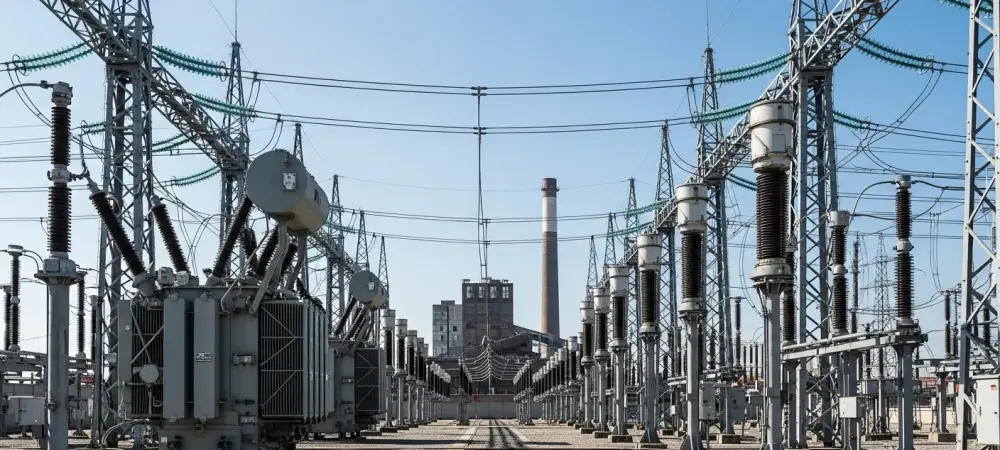
A prime example of this industrial renaissance is unfolding in Hawesville, Kentucky, where a sprawling 750-acre former aluminum processing facility is being reimagined as a state-of-the-art data center campus. Data center developer TeraWulf, through its affiliate Raylan Data Holdings, recently completed a landmark $200 million acquisition of the site from Century Aluminum Company. The deal, which leaves Century Aluminum with a 6.8% minority equity stake, signals a powerful endorsement of the site’s potential. The key attraction is not just the vast expanse of over 250 buildable acres, but the formidable power infrastructure left behind by its former occupant. The site boasts an on-site substation with an immediate capacity of 480MW, a critical asset that would otherwise take years and significant capital to develop from scratch. This ready-made energy access allows for a phased development strategy, enabling the data center to scale its operations in direct response to customer demand for HPC and AI workloads, ensuring an efficient and timely deployment of resources.
Strategic Advantages of Industrial Reuse
The strategic decision to acquire legacy industrial properties goes far beyond the simple availability of land; it is a calculated move to secure the most critical and often scarce resource in the data center industry: power. These former industrial behemoths were originally built to consume enormous amounts of electricity, and as a result, they are hardwired into the nation’s energy backbone with high-voltage transmission lines and dedicated substations. For a data center developer, this is a goldmine. It sidesteps the lengthy and often unpredictable process of negotiating with utilities, securing permits, and building new grid connections, which can add years to a project’s timeline. By tapping into this existing infrastructure, companies can drastically accelerate their speed to market. Furthermore, these sites are typically located in areas with established workforces and are zoned for heavy industrial use, which simplifies the regulatory and approval processes. This model of adaptive reuse is proving to be a highly efficient and economically sound strategy for meeting the explosive power demands of the digital age.
Expanding the Energy-First Model
Beyond a Single Site
The acquisition in Kentucky is not an isolated venture but a cornerstone of a much broader, energy-focused strategy. This is further evidenced by TeraWulf’s concurrent purchase of the 210MW Morgantown Generating Station in Newburg, Maryland. This transaction includes not just the real property but, crucially, all the associated electrical infrastructure of the grid-connected power facility. This move solidifies a portfolio approach centered on acquiring and revitalizing existing energy assets. The plans for the Morgantown site are ambitious, with an initial expansion targeted to bring its capacity to 500MW and a long-term vision to scale it up to a massive 1GW. By securing direct control over power generation and transmission assets, the company is building a vertically integrated platform. This strategic depth ensures a reliable and scalable power supply for its data center operations while also positioning it as a key player in the energy market itself, capable of adapting to the fluctuating demands of both its digital clients and the public grid.
A Symbiotic Relationship with the Grid
This overarching strategy culminates in a dual-purpose operational model that aims to do more than just power data centers. The stated goal is to reinvest in existing energy infrastructure to bolster the reliability of the entire electrical grid while simultaneously serving the burgeoning digital economy. In this symbiotic model, the acquired power facilities are not just captive sources for HPC workloads; they are also designed to provide surplus electricity back to the grid during periods of high demand. This approach helps stabilize the local power supply and transforms the data center from a passive consumer into an active, supportive participant in the energy ecosystem. Following these strategic acquisitions, TeraWulf’s infrastructure portfolio has expanded to a combined capacity of 2.8GW across five sites. This significant footprint demonstrates a powerful commitment to an energy-first development philosophy, one that meets the immediate needs of AI while contributing to a more resilient and responsive national power infrastructure for the future.
Forging a Power-Forward Path
The strategic pivot toward repurposing industrial-era assets represented a significant maturation in the data center industry’s approach to infrastructure development. These moves demonstrated a clear understanding that the future of computing was inextricably linked to the physical realities of power generation and distribution. By securing sites with immense, pre-existing energy infrastructure, developers not only accelerated their own growth but also established a new, sustainable paradigm for scaling AI. This model proved that technological advancement did not have to occur in a vacuum; instead, it could be built upon the foundations of the past, revitalizing communities and strengthening the national grid in the process. This energy-first philosophy set a precedent, suggesting that the most innovative solutions to our digital future might be found not in building from scratch, but in thoughtfully and creatively reimagining the powerful legacy we have already inherited.