

Introduction
Amid the sprawling agricultural landscapes of Lyon County, Nevada, a digital revolution is taking root as officials approve a massive new data center campus that promises economic growth but stirs significant local unrest. The approval to rezone over five hundred acres for the Monarch Data Center marks a pivotal moment, highlighting the complex interplay between technological demand, corporate development, and community preservation. This article explores the central questions surrounding this ambitious project, examining its potential benefits, the sources of fierce opposition, and the considerable hurdles that lie ahead. Readers will gain a comprehensive understanding of the forces shaping the future of this development and its potential impact on the region.
Key Questions Section
What Is the Monarch Data Center Project
The Monarch Data Center is a large-scale development proposed by the green energy company Copia Power. The project entails the rezoning of 505 acres of agricultural land in Lyon County for the construction of two distinct data center campuses. This ambitious plan includes not only the data centers themselves but also a sophisticated battery energy storage system and a natural gas backup system designed to provide a robust power supply. Initially, the project aims to deliver 150 megawatts of capacity, with the potential to scale up to an impressive 500 megawatts in the long term. This positions it as a significant addition to Nevada’s growing digital infrastructure, which already hosts facilities for tech giants like Google, Apple, and Microsoft. However, the ultimate user for the Monarch facility has not yet been publicly identified, adding a layer of mystery to the development.
Why Is This Development Facing Opposition
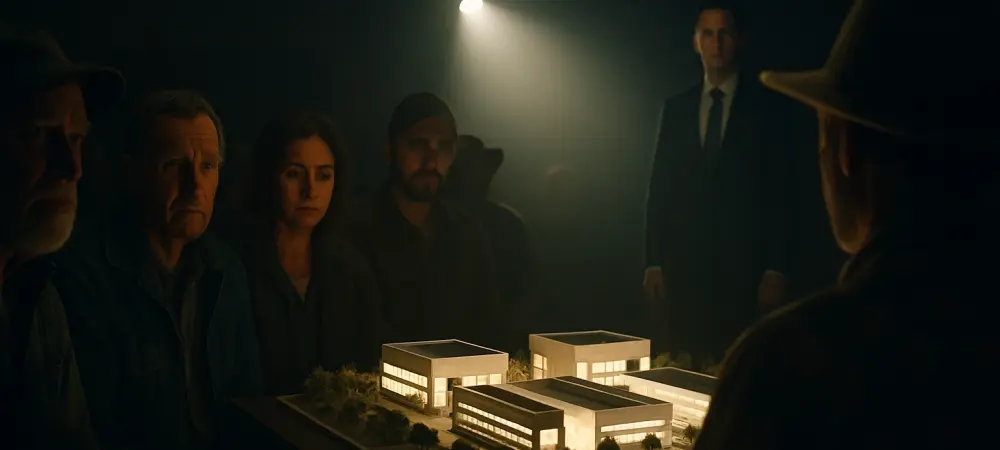
Despite gaining official approval from county commissioners, the Monarch Data Center proposal has been met with considerable resistance from segments of the local community. A primary driver of this opposition stems from deep-seated concerns about the project’s potential environmental footprint. Residents have voiced anxieties over the impact on local resources, particularly in a region where agricultural land use has long been the standard. Furthermore, the opposition is fueled by accusations of official corruption, suggesting that the approval process may not have been entirely transparent or in the best interests of the community. This sentiment taps into a common narrative where large-scale infrastructure projects, backed by powerful corporate interests, appear to override local concerns. The clash represents a classic conflict between the promise of economic progress and the desire to protect a community’s character and environment.
What Are the Primary Obstacles to Completion
The project’s timeline is far from certain, as its full realization is critically dependent on the completion of major utility infrastructure projects that are outside the developer’s direct control. While an initial phase could be completed within two to three years, the entire campus relies on a much longer five to ten-year outlook for the necessary power grid enhancements. Specifically, the Monarch Data Center cannot reach its full potential without NV Energy’s Walker River Substation and the extensive Greenlink transmission line projects. These initiatives are essential for providing the massive and stable power supply that a 500-megawatt data center campus demands. Consequently, the development’s future is intrinsically linked to the progress and successful execution of these separate, large-scale public utility works, making its path forward conditional and subject to potential delays.
Summary or Recap
The Monarch Data Center project in Lyon County encapsulates a modern dilemma. It represents a significant step toward expanding Nevada’s role as a major data hub, promising substantial technological and economic advancements. At the same time, it highlights the profound friction that can arise when such large-scale developments meet local community values and environmental concerns. The project’s future is not only a matter of resolving community opposition but also of navigating a complex web of infrastructure dependencies, making its successful completion a long-term uncertainty.
Conclusion or Final Thoughts
Ultimately, the situation in Lyon County served as a microcosm of a broader challenge facing communities across the country. As the demand for digital infrastructure continues to surge, the conflict between technological progress and local preservation becomes increasingly common. The resolution of this specific case offered important lessons on the necessity of transparent communication, genuine community engagement, and strategic planning that balances economic incentives with environmental stewardship.