

Introduction
The global digital economy relies on a massive network of data centers that currently struggle to expand due to persistent bottlenecks in electrical component procurement and logistics. This pressure has forced a shift toward modular, factory-built solutions that can bypass the traditional hurdles of fragmented equipment sourcing. By consolidating essential power components like transformers, switchgear, and UPS systems into a single integrated unit, the industry is moving away from the unpredictability of on-site assembly. This approach offers a way to maintain momentum in the face of skyrocketing demand for artificial intelligence and high-density computing services.
The primary objective of this transition is to provide a comprehensive alternative to the historically sluggish procurement process that often stalls critical infrastructure projects. This article explores how centralized production models address global shortages, accelerate deployment timelines, and provide the flexibility needed for the next generation of data centers. Readers can expect to learn about the strategic benefits of off-site fabrication and how these systems accommodate the diverse power requirements of modern hyperscale and colocation environments.
Key Questions or Key Topics Section
How Does Modular Power Address Global Supply Chain Bottlenecks?
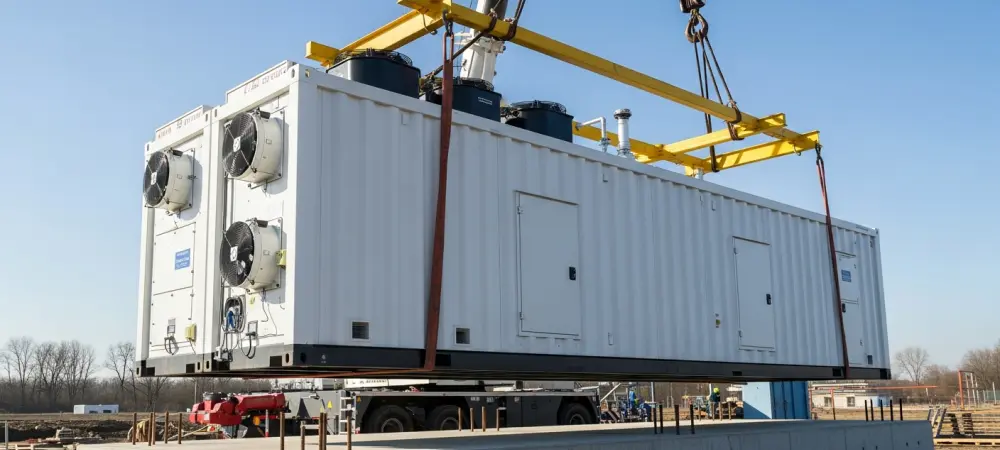
Data center operators currently face frustrating delays when sourcing individual electrical components from multiple manufacturers across the globe. Essential items such as high-voltage transformers and backup power systems can have lead times that extend well over a year, stalling expansion efforts. This fragmentation often results in a domino effect, where a single missing component delays the entire commissioning process, leading to missed market opportunities and significant logistical strain. To mitigate these risks, systems like the PowerCore centralize the entire manufacturing and testing process within a single controlled environment. By assembling the full power stack in a dedicated 80,000-square-foot facility, production schedules become more predictable and less dependent on the chaos of traditional construction sites. This centralized model allows for better coordination between vendors, ensuring that necessary equipment is available when needed rather than being subject to the whims of disparate shipping schedules and regional labor shortages.
Can Off-Site Fabrication Significantly Accelerate Project Timelines?
The traditional method of building data center power systems involves coordinating dozens of specialized contractors directly at the construction site. This environment is often subject to weather delays, site-specific safety restrictions, and spatial constraints that make simultaneous installation tasks nearly impossible to execute efficiently. Consequently, the time from the initial design phase to final commissioning can drag on much longer than modern digital growth allows. Shifting the integration work to a specialized factory can slash deployment timelines by as much as 60 percent. Because the units arrive on-site pre-tested and ready for immediate connection, the labor-intensive portion of the project is completed in a highly optimized setting. This efficiency not only saves time but also improves the overall quality of the build, as factory conditions allow for more rigorous testing and inspection than can typically be performed in a dusty or exposed construction environment.
Is Vendor Neutrality Possible in a Pre-Fabricated Power Solution?
Planners often worry about being locked into a single manufacturer’s ecosystem when adopting integrated power modules. Proprietary systems may force operators to use specific batteries or switchgear that do not align with their existing maintenance programs or performance standards. This lack of flexibility can become a liability if a particular vendor faces its own supply chain issues or if a facility requires a specialized configuration that the manufacturer cannot support. Addressing this concern requires a vendor-agnostic approach that remains compatible with hardware from various original equipment manufacturers. This allows engineers to select the most appropriate technology for a specific project, whether it involves lithium-ion batteries or specialized busbar infrastructure. By maintaining an open architecture, modular units adapt to the shifting technological landscape without requiring a complete redesign of the power chain, providing long-term investment protection for operators.
Summary or Recap
The adoption of modular power systems reflects a broader industry consensus that traditional construction methods are no longer sufficient to meet the speed and scale of modern requirements. By moving complex integration tasks into a factory setting, operators can bypass many of the logistical hurdles that have plagued the sector for years. This shift provides more predictable delivery schedules and enhances the reliability of critical infrastructure through standardized, rigorous testing protocols that are difficult to replicate on-site.
Furthermore, the flexibility offered by vendor-agnostic designs and adaptable physical configurations makes modularity a future-proof choice for an evolving market. As data centers continue to transition toward higher power densities and more specialized computing environments, the ability to rapidly deploy high-quality power solutions will remain a competitive necessity. Strategic delivery partners who take end-to-end responsibility for engineering and logistics are now central to successful data center expansion strategies.
Conclusion or Final Thoughts
The transition toward integrated powertrain solutions demonstrated how the industry adapted to unprecedented growth and supply chain instability. By prioritizing off-site fabrication and quality control, these systems provided a viable path forward for organizations that needed to scale their digital footprint quickly. The shift allowed stakeholders to focus on strategic delivery rather than managing a collection of individual parts.
Future planning should involve evaluating current procurement strategies to determine if a modular approach could streamline upcoming projects. Assessing specific power density requirements and spatial constraints remains essential for selecting the right configuration for long-term success. Embracing this evolution in infrastructure deployment was a key step in staying relevant in an increasingly data-driven economy.