

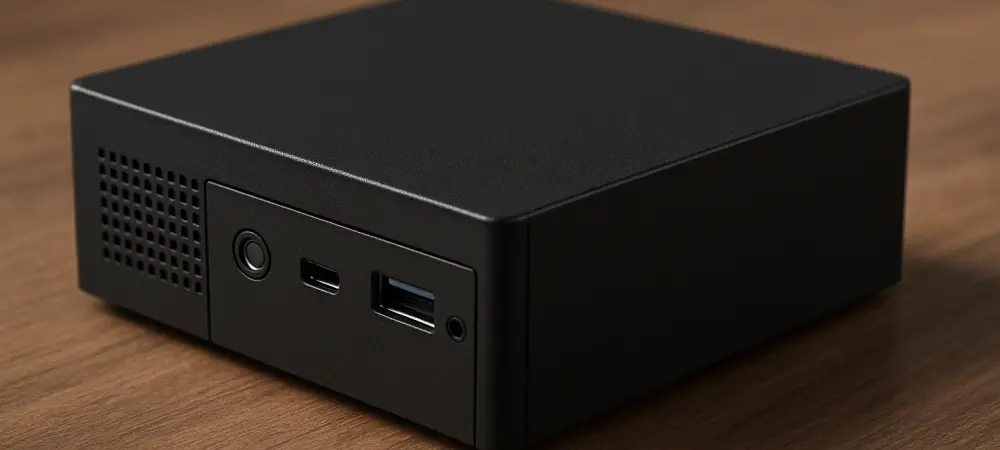
In an era where compact computing solutions are gaining traction among budget-conscious consumers and small businesses, a new contender has emerged from an unexpected corner of the tech world. Lenovo, a giant in the industry, has introduced a device through its lesser-known sub-brand, Lecoo, that promises to shake up the mini PC market. The Lecoo Mini Pro, recently launched in China, combines affordability with impressive performance, targeting users who need powerful yet space-saving technology. Priced between $363 and $615 depending on the configuration, this palm-sized machine offers hardware and features that rival more expensive systems. As the demand for versatile, low-cost computing grows, this device could signal a shift in how sub-brands address niche markets with high-value products, potentially setting a new standard for what budget-friendly mini PCs can achieve in terms of capability and design.
Unveiling Lecoo and Its Market Strategy
Exploring the Role of Sub-Brands in Tech Innovation
Lenovo’s portfolio extends beyond its flagship products, incorporating sub-brands like Lecoo to target specific consumer segments with tailored solutions. While not as globally recognized as some of Lenovo’s other ventures, Lecoo appears to focus on affordable consumer technology, ranging from accessories to compact devices. The introduction of the Lecoo Mini Pro represents a strategic move to tap into the growing demand for mini PCs, especially among users seeking cost-effective alternatives to traditional desktops. This approach allows Lenovo to diversify its offerings without diluting its core brand identity, using Lecoo to experiment with innovative designs and pricing models. By positioning the Mini Pro in the budget segment, the company addresses a critical need for powerful yet accessible computing, reflecting a broader trend in the tech industry where sub-brands play a pivotal role in capturing varied market demographics and fostering competition in niche spaces.
Positioning the Mini Pro in a Competitive Landscape
The mini PC market is increasingly crowded, with numerous manufacturers vying for attention through a blend of performance and affordability. The Lecoo Mini Pro stands out by offering a compelling balance of price and features, appealing to both casual users and small businesses looking to optimize space and cost. Unlike many budget systems that compromise on hardware, this device delivers workstation-grade potential in a compact form, challenging preconceptions about what low-cost PCs can achieve. Its global shipping availability, supported by payment options like PayPal, further enhances its reach, ensuring accessibility beyond regional boundaries. As major tech companies continue to leverage sub-brands for market expansion, the Mini Pro exemplifies how targeted products can address specific consumer pain points, potentially influencing competitors to rethink their strategies in the budget computing segment with an emphasis on value-driven innovation.
Diving into the Lecoo Mini Pro’s Capabilities
Powerhouse Performance in a Compact Design
At the heart of the Lecoo Mini Pro lies the AMD Ryzen 7 8745H processor from the Hawk Point family, a robust choice featuring eight cores and integrated Radeon 780M graphics. This configuration ensures the device can handle a range of tasks, from light gaming to general productivity, making it a versatile option for diverse users. Supporting up to 32GB of DDR5 RAM at 5600MHz and dual PCIe 4.0 M.2 slots for storage, the Mini Pro pushes the boundaries of what budget mini PCs typically offer, nearing the capabilities of higher-end workstations. Its thermal management system, equipped with dual fans and an aluminum chassis, maintains efficiency with noise levels as low as 32 decibels in quiet mode, even under a peak performance of 70W. Such engineering highlights a commitment to balancing power with practicality, ensuring the device remains suitable for small spaces or environments where silence is a priority, thus broadening its appeal across various use cases.
Connectivity and Expandability for Modern Needs
Beyond raw performance, the Lecoo Mini Pro excels in connectivity, a critical factor for users with diverse networking and peripheral requirements. The device boasts an array of ports, including two USB4 connections that support external GPU setups for enhanced graphical workloads, alongside HDMI 2.1 and DisplayPort 1.4 for high-quality display outputs. Additionally, it features two 2.5G Ethernet jacks—a rarity in mini PCs—multiple USB-A ports, and Wi-Fi 6 compatibility, ensuring it meets both modern and legacy needs. This thoughtful mix of options makes the Mini Pro adaptable for office setups, home entertainment, or even small-scale server applications. By prioritizing expandability and versatility, the device caters to a wide audience, from tech enthusiasts seeking customization to professionals needing reliable connectivity, demonstrating how budget systems can still deliver comprehensive solutions without sacrificing essential features.
Reflecting on a Budget Computing Milestone
Redefining Expectations for Affordable Tech
Looking back, the launch of the Lecoo Mini Pro marked a notable moment in the evolution of budget mini PCs, showcasing how affordability could coexist with cutting-edge performance. Its AMD-driven power, coupled with extensive memory and storage options, set a benchmark for what users could expect from compact systems at this price point. The emphasis on low-power design and efficient cooling further underscored its suitability for constrained spaces, addressing real-world challenges faced by many consumers and businesses. Lenovo’s decision to enable global shipping through Lecoo also highlighted a calculated effort to elevate the sub-brand’s presence, proving that even lesser-known names could deliver impactful technology. This move not only expanded access but also invited a broader audience to reconsider the potential of budget-friendly devices in meeting diverse computing demands with remarkable efficacy.
Charting the Path Forward for Mini PC Innovation
As the dust settled on the Lecoo Mini Pro’s debut, attention turned to how such devices could inspire future developments in the mini PC arena. Manufacturers might take cues from this model, prioritizing robust hardware and connectivity in compact formats to cater to evolving user needs. For consumers, exploring similar offerings could mean identifying systems that balance cost with capability, ensuring investments align with both current and anticipated requirements. Small businesses, in particular, stand to benefit by integrating such technology into workflows, optimizing space without compromising on performance. Meanwhile, keeping an eye on how sub-brands like Lecoo evolve could reveal emerging trends in affordable tech, encouraging a deeper look at how major companies leverage niche strategies to drive innovation. Ultimately, the focus remains on fostering accessible, powerful computing solutions that empower users across various sectors to achieve more with less.