

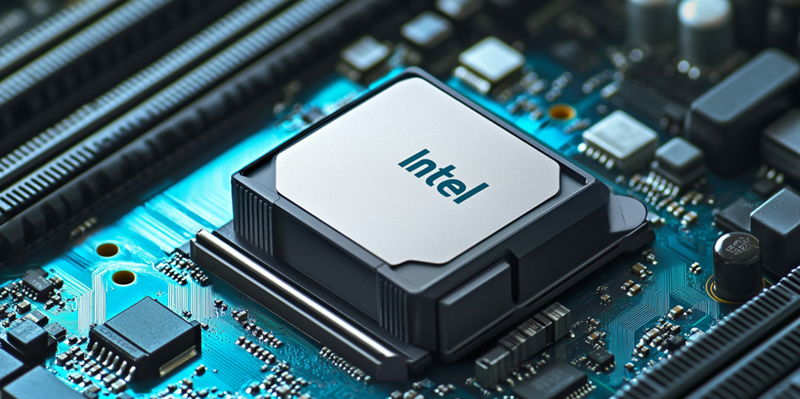
At Lenovo Tech World 2024, Intel’s CEO Pat Gelsinger pulled a page from Apple’s playbook, replicating the famous "one more thing" moment to unveil the Panther Lake CPU. This move wasn’t just about marketing flair; it signaled Intel’s strategic dive into next-generation mobile computing. Panther Lake, built on the ambitious Intel 18A process, is a cornerstone in Intel’s roadmap aimed at reclaiming its dominion in the semiconductor market. Expected to be released in 2025, Panther Lake comes after the Arrow Lake, which is anticipated around early 2025. With a design optimized solely for mobile applications, Panther Lake features cutting-edge P-cores and E-cores named Panther Cove and Darkmont, respectively, coupled with third-generation graphics, code-named Celestial. Such innovative architecture underscores Intel’s intent to capture not just incremental but exponential performance gains.
The anticipated technological advancements of the Panther Lake CPU are multifaceted. Key among them is the projected fivefold improvement in AI capabilities over the preceding Meteor Lake platform, thanks to its Neural Processing Unit (NPU). This leap in performance is critical for Intel, which is in the throes of recovering from substantial financial setbacks, punctuated by a $10 billion cost-cutting drive. For Intel, the stakes are enormously high. The success of Panther Lake and the efficacy of the Intel 18A process are pivotal, with 2025 shaping up as a make-or-break year for the company. As Intel tries to regain momentum, the effective deployment of Panther Lake could spell the difference between resurgence and stagnation.
The Importance of Intel 18A Process
The Intel 18A process is not merely another step in semiconductor manufacturing; it’s the linchpin of Intel’s "five nodes in four years" strategy. This aggressive plan aims to catapult Intel back into technological leadership. CEO Pat Gelsinger has repeatedly emphasized the crucial role of the Intel 18A process in fulfilling the company’s future ambitions. Even as Taiwan Semiconductor Manufacturing Company (TSMC) touts its third-generation 3nm node as superior, Intel’s assertive push with the Intel 18A demonstrates its resolve to reclaim competitive ground. The industry is poised to take sides, with comparisons between TSMC’s 3nm node and Intel 18A becoming a pivotal battleground.
The significance of Intel’s 18A process also lies in its potential to mitigate Intel’s current financial strains. Substantial gains in semiconductor performance could translate into broader adoption and, subsequently, augmented revenues. This comes against a backdrop of recent operational setbacks and budget cuts amounting to $10 billion. Therefore, the Intel 18A process serves as the foundation upon which Intel hopes to rebuild its market presence and restore investor confidence. This technological maneuvering underscores a broader strategic intent: leveraging next-gen chip manufacturing to realign with market demand and fortify Intel’s standing among competitors.
Intel’s Strategic Roadmap for 2025 and Beyond
At Lenovo Tech World 2024, Intel’s CEO Pat Gelsinger evoked Apple’s iconic "one more thing" moment to reveal the Panther Lake CPU. This wasn’t merely a marketing stunt; it marked Intel’s serious commitment to next-gen mobile computing. Panther Lake, built on the advanced Intel 18A process, is crucial in Intel’s plan to reclaim leadership in the semiconductor industry. Set to launch in 2025, Panther Lake follows Arrow Lake, slated for early 2025. Specifically designed for mobile devices, Panther Lake boasts innovative P-cores and E-cores, named Panther Cove and Darkmont, alongside third-gen graphics, code-named Celestial. This groundbreaking architecture indicates Intel’s aim for not just incremental but exponential performance gains.
The Panther Lake CPU promises significant technological advancements. Notably, it is projected to offer a fivefold improvement in AI capabilities over the earlier Meteor Lake platform due to its Neural Processing Unit (NPU). This performance boost is vital for Intel as it grapples with financial difficulties, including a $10 billion cost-cutting initiative. With 2025 being a critical year, the success of Panther Lake and the Intel 18A process could determine whether Intel regains its foothold or stagnates. Effective deployment of Panther Lake is crucial for Intel’s potential resurgence.