

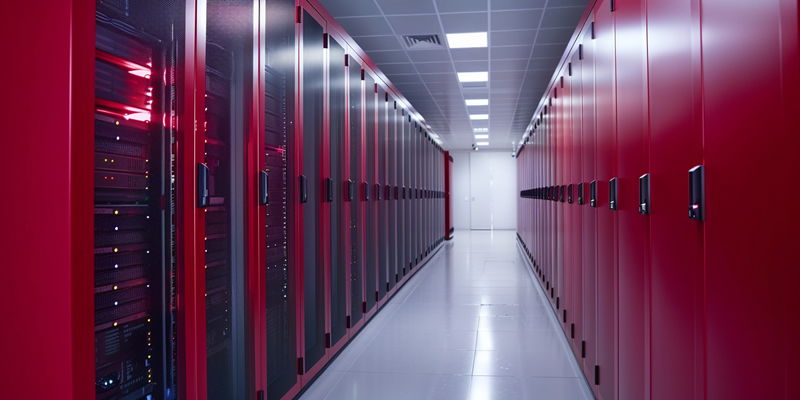
Amid rising energy demands and increasing expectations for sustainability, the paradigm of power solutions in the data center industry is shifting. Traditional backup power systems, often reliant on diesel generators, are under scrutiny due to their environmental impacts. The emerging partnership between Vertiv and Ballard Power Systems presents hydrogen fuel cells as a promising alternative. This collaboration signifies a critical step towards integrating zero-emission technologies in data centers, but can hydrogen fuel cells truly revolutionize backup power?
As the backbone of our digital world, data centers power everything from cloud services to our internet infrastructure with an ever-growing intensity. As global data usage soars, so do the power requirements of these data centers. This surge underscores the pressing need for efficient and sustainable energy management. Traditional power systems, although reliable, contribute significantly to carbon emissions and face increasing criticism from environmental watchdogs. The push for greener technologies is not just a trend but a necessity for future-proofing the industry.
The Growing Need for Sustainable Data Centers
Data centers are the unsung heroes of our digital age, but their energy consumption comes at a significant environmental cost. As the tide of data grows, the energy consumed by data centers is projected to rise exponentially, demanding the implementation of more sustainable energy solutions. Traditional fossil fuel-based generators, while reliable, are significant contributors to greenhouse gas emissions, which in turn exacerbate climate change. This situation is prompting a critical examination of backup power solutions, urging the industry to embrace greener alternatives.
Governments and corporations globally have set ambitious net-zero emissions targets, magnifying the importance of sustainable practices within the data center industry. Adopting eco-friendly solutions such as hydrogen fuel cells not only helps meet regulatory requirements but also reduces operational costs and elevates corporate social responsibility profiles. The strategic partnership between Vertiv and Ballard Power Systems is a quintessential response to these growing demands. By leveraging hydrogen fuel cells, this collaboration aims to reduce the carbon footprint of data center operations, thereby paving the way for a greener future in digital infrastructure.
Vertiv and Ballard: A Strategic Alliance
In a groundbreaking move, Vertiv and Ballard Power Systems have forged a partnership to develop and validate hydrogen fuel cell solutions tailored for data centers. Vertiv brings extensive knowledge in digital infrastructure and continuity solutions, while Ballard Power Systems adds its expertise in Proton Exchange Membrane (PEM) fuel cells to the mix. This strategic alliance aims to innovate the backup power landscape, merging the strengths of both companies to create a reliable, zero-emission power alternative for data centers.
A significant milestone in their collaboration was the successful proof-of-concept demonstration held at Vertiv’s Ohio facility. During this event, Ballard’s fuel cell power modules were integrated seamlessly with Vertiv’s Liebert EXL S1 uninterruptible power system (UPS). This integration not only validated the technical feasibility of using hydrogen fuel cells but also showcased their impressive potential in maintaining an uninterrupted power supply. The success of this demonstration sets the stage for future deployments, providing a robust blueprint for large-scale implementation in data centers worldwide.
The partnership between Vertiv and Ballard is more than just a technological advancement; it represents a paradigm shift towards sustainable energy solutions in the data center industry. By combining their respective expertise, these companies are working to push the boundaries of what is possible in backup power, making strides toward a more sustainable and eco-friendly future. The proof-of-concept demonstration is just the beginning, setting a precedent for the deployment of hydrogen fuel cells in data centers globally, potentially revolutionizing the entire industry.
Features and Benefits of Hydrogen Fuel Cells
The development of the Vertiv Power Module featuring hydrogen fuel cells represents a significant leap forward in sustainable power solutions. This innovative module comprises two Ballard PowerGen 200kW fuel cell cabinets and includes critical components such as cooling systems, power conditioning units, and hydrogen storage infrastructure. This comprehensive integration addresses several pertinent issues, including power reliability, efficiency, and environmental impact, positioning hydrogen fuel cells as a viable alternative to traditional diesel generators.
One of the standout features of hydrogen fuel cells is their zero greenhouse gas emissions, offering a critical advantage over traditional power backup systems. In addition to their environmental benefits, these systems boast low noise levels, rapid power response, and low maintenance requirements, making them highly suitable for continuous operation in data center environments. Their modular design ensures scalability from 200kW to multi-megawatt capacities, making them adaptable to data centers of varied sizes and energy needs. This scalability, combined with operational efficiencies, presents a compelling case for the widespread adoption of hydrogen fuel cells as the preferred backup power solution.
Hydrogen fuel cells also offer considerable advantages in terms of operational flexibility and efficiency. Unlike traditional backup systems that rely on fossil fuels, hydrogen fuel cells can be integrated with renewable energy sources such as solar PV and wind. This integration allows for a more holistic and sustainable energy model. The flexibility of hydrogen fuel cells, coupled with their environmental benefits, makes them an attractive option for data centers seeking to enhance their sustainability profiles and operational resilience. The Vertiv Power Module is a testament to this innovative approach, embodying the possibilities of a greener and more efficient future in data center power solutions.
Impact on the Data Center Industry
The deployment of hydrogen fuel cells as backup power marks a transformative shift in the data center industry. By offering a scalable and zero-emission alternative, these systems align closely with the sector’s overarching sustainability goals. Both existing and new data centers stand to benefit significantly from this technology, which can help them reduce their environmental footprint. This shift is in line with the global trend of prioritizing sustainability and corporate social responsibility, ensuring that data centers can meet increasingly stringent environmental regulations while maintaining operational efficiency.
Switching to hydrogen fuel cells not only contributes to a more resilient energy infrastructure but also promotes the integration of renewable energy sources. Unlike traditional backup systems reliant on fossil fuels, hydrogen fuel cells can be seamlessly combined with solar PV, wind, and other renewable energy technologies to create a more comprehensive and sustainable energy model. Vertiv’s demonstration of a 1 MW microgrid solution, which includes solar PV, battery energy storage, and hydrogen fuel cells, exemplifies this innovative approach and highlights the potential of hydrogen fuel cells in shaping the future of data center energy management.
The shift towards hydrogen fuel cells represents a broader industry trend towards sustainable and resilient energy solutions. As the technology matures and economies of scale are achieved, the cost of hydrogen fuel cells is expected to decrease, making them an even more viable option for data centers worldwide. The adoption of hydrogen fuel cells can fundamentally change how data centers approach energy resilience, sustainability, and operational efficiency, marking a new era in the industry. By moving away from fossil fuel-based backup systems, data centers can significantly reduce their greenhouse gas emissions, contribute to a cleaner environment, and achieve their sustainability goals.
Future Perspectives and Developments
As energy demands rise and sustainability expectations grow, the power solutions paradigm in the data center industry is shifting. Traditional backup power systems, often dependent on diesel generators, face criticism for their environmental impact. The emerging partnership between Vertiv and Ballard Power Systems highlights hydrogen fuel cells as a viable alternative. This alliance marks a significant step toward adopting zero-emission technologies in data centers. The question remains: can hydrogen fuel cells truly transform backup power solutions?
Data centers, the lifeblood of our digital ecosystem, drive everything from cloud services to internet infrastructure, increasing their power needs as global data usage escalates. This rise in demand emphasizes the urgent need for efficient and sustainable energy management. While traditional power systems are dependable, they contribute heavily to carbon emissions and are increasingly scrutinized by environmental advocates. The push for greener technologies is now a necessity, rather than a mere trend, to ensure the industry’s sustainability and future viability.