

Australia’s insatiable appetite for digital services is rapidly colliding with the finite capacity of its aging energy grid, creating a high-stakes standoff for the future of its tech economy. The nation’s digital infrastructure is expanding at an unprecedented rate, yet the power required to sustain this growth is becoming increasingly scarce and unreliable. This critical imbalance forces a pivotal question: As global hyperscalers pour billions into the country, can innovative energy strategies like co-located hybrid power prevent this boom from turning into a full-blown infrastructure crisis?
The Unquenchable Thirst for Data Meets an Overstrained Grid
The paradox at the heart of Australia’s modern economy is stark. On one hand, the digital sector is flourishing, attracting massive investment and driving innovation. On the other, this progress is entirely dependent on an energy infrastructure that is struggling to keep pace, creating a bottleneck that threatens to stifle future development.
This dilemma has prompted a search for solutions that operate outside the traditional confines of the national grid. The central challenge is no longer just about building more data centers but about powering them sustainably and reliably. The industry is now looking toward integrated energy models that can provide a stable power supply, independent of the grid’s mounting pressures, to ensure the digital economy’s continued expansion.
The Perfect Storm Australia’s Data Boom and Power Crunch
The scale of Australia’s data center market expansion is staggering, having grown an estimated 40-fold over the last two decades. This surge is fueled by immense capital injections from hyperscale firms like Amazon, which recently committed $20 billion to local infrastructure. This investment signals immense confidence in the market but simultaneously places extraordinary strain on the nation’s resources.
This rapid growth has created a perfect storm of challenges. Severe power shortages are becoming more common, while the grid itself faces instability under the immense load. Compounding these issues are global supply chain bottlenecks and soaring construction costs, which make traditional expansion difficult. The result is a significant gap between the demand for data processing and the available power to support it.
The urgency of this situation is underscored by stark forecasts. Industry advisors project a potential power deficit ranging from 700MW to 1.7GW between 2026 and 2028. Such a shortfall would not only halt new development but could also jeopardize the operation of existing facilities, making the search for alternative power sources a matter of national economic importance.
A New Blueprint for Power The Pilot and SN Energy Venture
In a direct response to this escalating crisis, a strategic partnership has emerged between Pilot Energy and SN Energy Australia. This collaboration is designed to pioneer a new model for powering digital infrastructure, moving away from reliance on a strained public grid toward a self-contained, dedicated energy ecosystem.
The core objective of this venture is to provide a dedicated, reliable, and renewable power source specifically for new data centers. By developing an integrated solution, the project aims to solve the power problem at its source, creating a blueprint for how future digital infrastructure can be deployed without further burdening the national energy network.
A Strategic Partnership for a New Era
The collaboration brings together two companies with complementary expertise. Pilot Energy, a firm with roots in the traditional oil and gas sector, is strategically pivoting toward low-carbon and renewable energy solutions. This transition reflects a broader industry shift and positions Pilot as a key player in Australia’s energy future.
Its partner, SN Energy, is a specialist firm with a sharp focus on developing renewable power platforms explicitly for the high-demand world of AI data centers. This specialization gives it unique insight into the technical and commercial requirements of powering next-generation computing, making it an ideal collaborator for this forward-thinking project.
The Hybrid Power Model in Action
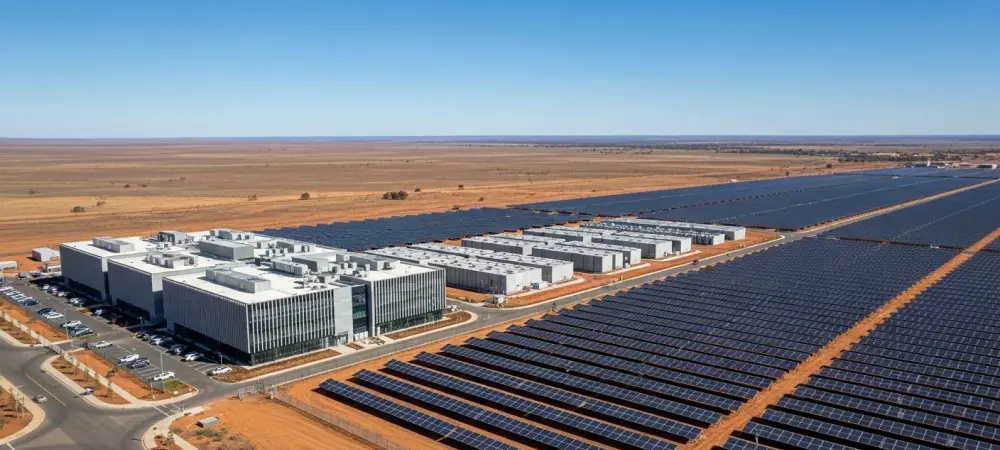
The venture’s first project provides a tangible example of this new model. It involves the development of a hybrid power plant combining a large-scale solar array with a Battery Energy Storage System (BESS). This combination is designed to provide consistent, “firm” power, using the battery to store solar energy for use after sunset or during periods of high demand.
This innovative power plant will be co-located with a 50MW data center in Western Australia, near Three Springs. By building the power source and the consumer side-by-side, the project creates a closed-loop system that ensures a reliable and predictable supply of clean energy, tailored directly to the data center’s operational needs.
From Concept to Commitment
Signifying a major step forward, the partners have entered into a binding agreement that moves the project from a promising concept to a committed development. This formal arrangement solidifies the joint venture and establishes a clear path toward execution, providing a strong signal of confidence to the market.
Under the terms of the deal, SN Energy has made a substantial financial commitment, agreeing to $10.75 million in payments to Pilot Energy. Critically, SN Energy has also assumed responsibility for all land acquisition, grid connection applications, and development approvals for both the power plant and the data center. This turnkey approach significantly de-risks the project and accelerates its timeline.
The Co-Location Advantage A Different Approach to Data Infrastructure
What truly sets this model apart is the direct physical and operational integration of a “firm renewable power solution” with the energy-intensive data center it serves. Unlike traditional data centers that simply draw power from the public grid, this approach creates a symbiotic relationship between energy generation and consumption.
This co-location strategy offers several distinct advantages. It bypasses the constraints and unreliability of the broader grid, providing a secure and dedicated power stream. Furthermore, it offers a predictable energy supply in an otherwise volatile market, shielding the data center operator from price fluctuations and ensuring long-term operational stability.
From Blueprint to Reality Project Status and Next Steps
The project has achieved a crucial milestone with the finalization of the binding agreement, cementing the partnership and financial commitments. This moves the venture firmly into the development phase, transforming it from a strategic blueprint into an active construction and engineering challenge.
With the agreement in place, SN Energy is now spearheading the critical next steps. These include securing the necessary land for both the solar farm and the data center, lodging grid connection applications to manage any surplus power, and navigating the complex process of obtaining all required development approvals from state and local authorities.
Reflection and Broader Impacts
The success of the Pilot-SN Energy venture could have far-reaching implications for Australia’s entire digital ecosystem. The project serves as a real-world test case for a new paradigm of infrastructure development, potentially offering a replicable solution for a national problem.
Reflection Strengths and Challenges of the Hybrid Model
The primary strength of the hybrid, co-located model lies in its ability to deliver energy independence. By generating power on-site, it decouples a data center’s fate from the fragile state of the public grid. This enhances reliability, stabilizes operational costs, and strongly aligns with corporate ESG goals by prioritizing renewable energy.
However, this approach is not without its challenges. The initial capital expenditure for building a dedicated power plant alongside a data center is significantly higher than for a grid-connected facility. Moreover, the land requirements for utility-scale solar farms and battery storage systems are substantial, which can present logistical and regulatory hurdles.
Broader Impact A Template for Australia’s Digital Future?
If proven successful and commercially viable, this integrated project could establish a new industry standard for powering hyperscale data centers in Australia. It offers a clear pathway for developers to overcome the power constraints that currently limit growth, enabling the continued expansion of the nation’s digital capacity.
The implications may extend well beyond the tech sector. Other energy-intensive industries, from advanced manufacturing to resource processing, face similar challenges with power reliability and cost. The Pilot-SN Energy model could therefore serve as a template for a wider industrial transition toward dedicated, renewable energy solutions across the country.
Powering the Future One Data Center at a Time
The fundamental conflict between Australia’s digital ambitions and its energy limitations framed the core problem. In response, the partnership between Pilot Energy and SN Energy presented a pioneering and practical solution designed to directly address this crisis. Their hybrid power project was established as a potential blueprint for a more resilient and sustainable digital future.
To secure its place as a leader in the global digital economy, Australia’s industries must embrace such innovative and integrated energy models. The future growth of the nation’s most dynamic sectors will depend not on building more infrastructure alone, but on fundamentally rethinking how that infrastructure is powered.