

Inside the App Store Battlefield
In the realm of mobile applications, where the Google Play Store stands as a bastion of trust, a formidable adversary has emerged—Anatsa malware. Hidden within seemingly innocuous apps, it lurks with the intent of breaching digital security and siphoning off personal data and finances. With millions relying on these digital storefronts daily, a chilling question arises: Can Google Play truly shield its users?
Navigating the Unseen Hazard
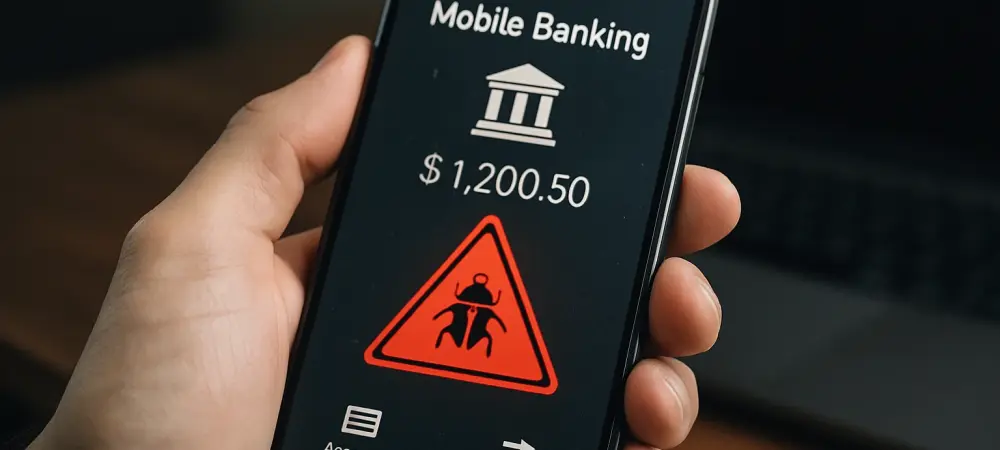
Anatsa, also known as TeaBot, is not just another malware; it is a sophisticated threat that can potentially upend the mobile banking infrastructure. Since its emergence, Anatsa has illustrated the ever-present danger nestled in our digital interactions. This notorious malware targets mobile banking apps, transforming the user’s device into a puppet that performs overlay attacks, keylogging, and even facilitates unauthorized transactions. The broad reach of Anatsa affects hundreds of financial institutions, illustrating a formidable challenge that extends beyond personal loss to impact global financial stability.
Unraveling Anatsa’s Stealthy Operations
Embedded stealthily within the Google Play Store, Anatsa executes a deceivingly harmless show. New apps initially appear benign, gradually amassing a significant number of downloads. Once trust is established, these applications morph, executing malware updates that pave the way for cyber intrusions. One particular campaign saw a PDF reader rise to notoriety, achieving a top rank in the U.S. Play Store’s “Top Free Tools” category. Before users could react, it had evolved into a malicious entity, attacking major financial institutions like JP Morgan and TD Bank.
Cybersecurity Experts Weigh In
Leading cybersecurity professionals tirelessly work to decode threats like Anatsa, providing invaluable insights into prevention and counteraction methods. In conversations about this stealthy threat, experts highlight the persistent evolution of cybercriminal tactics, constantly adapting to current security measures. Incidents of compromised institutions underline the criticality of constant vigilance. Real-world testimonials from those affected paint a vivid picture of inconvenience and financial disruption, underscoring the urgency for improved detection technologies.
Defensive Strategies for a Safer Digital Future
To outwit threats like Anatsa, individuals and institutions must adopt proactive defensive strategies. Users are encouraged to scrutinize app permissions, avoiding applications with suspicious demands. Financial institutions need robust monitoring systems, ensuring real-time alerts for unusual account activities. Moreover, educating users about potential vulnerabilities remains paramount, imbuing a culture of precaution even when engaging with supposedly secure platforms.
Conclusion
The encounter with Anatsa illustrated a harsh truth: not even trusted app platforms are impervious to cyber threats. However, the lessons gleaned from this intrusion carved a path toward greater security measures and awareness. Those in the cyber frontier were urged to maintain vigilance, continuously fielding innovative defenses against those who lurk in the digital shadows. Users and institutions that previously underestimated such threats were encouraged to embrace heightened cybersecurity practices, building a resilient digital ecosystem prepared to withstand evolving technological threats.