

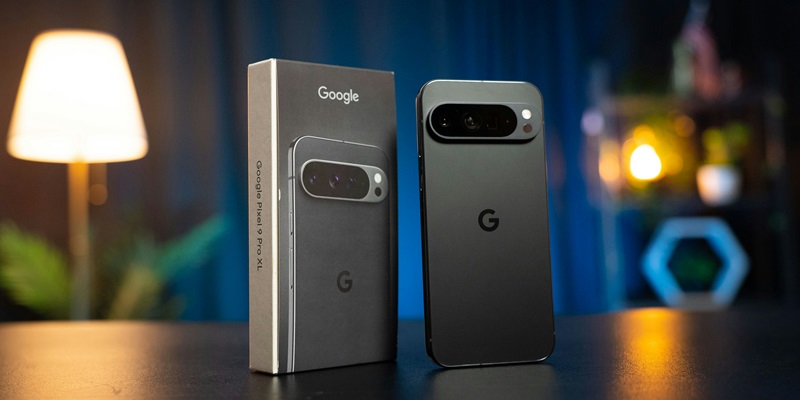
Owners of the Google Pixel 9 Pro XL have recently faced a range of problems with their devices, primarily focusing on troublesome touchscreen issues. The complications, primarily concerning the detection of touch inputs in the screen’s corners, have sparked widespread discussions on platforms like Reddit. Users are expressing their frustration over this recurring problem, which only shows temporary improvements with a phone reboot. Google has confirmed that this issue qualifies for a Return Merchandise Authorization (RMA), advising affected customers to return faulty units for replacements.
Rising User Complaints
Touchscreen Detection Problems
User complaints about the Google Pixel 9 Pro XL’s touchscreen issues started surfacing in late August, primarily on Reddit. The affected devices sporadically fail to register touch inputs in the screen’s corners, significantly hindering user experience. This issue, although annoying, can be temporarily resolved by rebooting the device. However, this is not a long-term solution, as the problem reappears after some time, leading to mounting frustration among users.
The issue has become so widespread that Google had to formally acknowledge it, suggesting that affected users return their devices under the company’s Return Merchandise Authorization policy for a replacement. This move indicates that the touchscreen problem may likely stem from a hardware defect, requiring a more permanent solution than software updates alone can provide. Google has not yet specified the exact cause of the touchscreen glitch, leaving users speculating and somewhat anxious about the issue’s origin and its eventual resolution.
Addressing the Issue with Android 15
Google is apparently planning to tackle the touchscreen issue with the upcoming Android 15 update, currently in the Beta 1.1 stage. Expected to roll out in October, this update aims to offer a more lasting fix for the problem. However, until this update is released, affected users have limited options for dealing with the malfunction, primarily restricted to rebooting their phones or opting for a device replacement through RMA.
The anticipation around Android 15 is growing, not just because of new features it promises but also due to the critical fixes it aims to deliver. Users are hopeful that the update will address the root cause of the touchscreen issues, providing a seamless and satisfactory experience for Pixel 9 Pro XL users. Google’s confirmation that an update is in the works has somewhat eased the tension, but the situation calls for a prompt rollout to retain user trust and maintain market confidence.
Additional Problems Emerging
Camera and Video Glitches
Another prevalent issue plaguing Google Pixel 9 Pro XL users involves the device’s camera. Users have reported a perplexing glitch where video recordings flip at specific zoom levels and lens changes. This camera fault can be particularly disruptive, affecting the quality of video content and causing discontent among users who rely on their device for high-quality media capture.
Similar to the touchscreen issue, this camera-related glitch first came to light on Reddit, where users shared their experiences and workarounds. Google has acknowledged the problem, yet there has been no formal statement or immediate fix issued to address the camera malfunction comprehensively. As users wait for a reliable solution, their patience continues to be tested, raising questions about the quality assurance processes behind the Pixel 9 Pro XL’s production and release.
Wireless Charging Problems
Wireless charging issues constitute another area of concern for Pixel 9 Pro XL owners. Users have reported inconsistent charging and slow charging speeds using wireless chargers, a feature highly promoted at the phone’s launch. These wireless charging complaints have added to the growing list of issues, contributing further to user dissatisfaction.
Google’s response to the wireless charging problem has been muted, with no official guidelines or proactive measures publicized. As wireless charging becomes increasingly common, especially in high-end smartphones like the Pixel 9 Pro XL, inconsistencies in this feature can be a significant drawback. Users are left seeking temporary fixes or considering switching back to traditional wired charging options, undermining one of the device’s selling points.
User Expectations and Upcoming Solutions
Addressing Customer Frustration
In the context of these mounting issues, user frustration is understandable. For a device priced at $1,099 for the 128 GB model, buyers have high expectations for performance, reliability, and customer support. The Pixel 9 Pro XL is available in attractive color options like Hazel, Obsidian, and Porcelain, yet these aesthetic features offer little consolation when fundamental functionalities are compromised.
Google’s acknowledgment of the problems and the suggested RMA process indicates that the company is aware of user discontent. However, the primary expectation rests on the upcoming software update, Android 15, promising to rectify these issues. The delay in rolling out the update amplifies user frustration, heightening the urgency for a swift and comprehensive solution.
Looking Forward to Android 15
Owners of the Google Pixel 9 Pro XL are encountering a series of issues, particularly with the device’s touchscreen. The primary concern revolves around the screen’s inability to consistently detect touch inputs in its corners. This problem has sparked considerable discussion across various online platforms like Reddit, where users are openly voicing their aggravation. The frustrating aspect of this issue is its recurring nature; any improvement seen after rebooting the phone is temporary at best. Google has acknowledged the problem and has stated that it falls under the Return Merchandise Authorization (RMA) policy. Therefore, they are recommending that affected individuals return their defective units to receive replacements. This move is a relief for many users who have been dealing with the malfunction. Google’s RMA policy provides a clear pathway for getting a working device, though it raises concerns about the quality control of the Pixel 9 Pro XL. Users are hopeful that Google will address these touchscreen issues in future updates or models to prevent further inconvenience.