

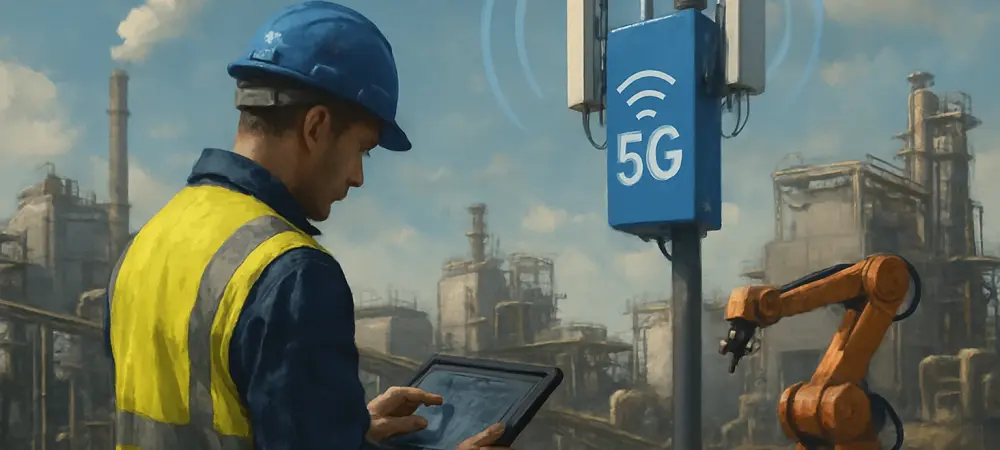
In a rapidly evolving digital landscape, the race to lead the private 5G sector in North America has intensified, with industrial connectivity becoming the backbone of modern infrastructure, and Future Technologies is positioning itself as a frontrunner. A key player in this arena, Future Technologies, a US-based industrial integrator, has set ambitious sights on becoming the region’s top provider by 2026. Fueled by a strategic recapitalization and a partnership with Battle Investment Group, which recently acquired a majority stake, the company is transitioning from family ownership to an equity-backed model. Under the continued leadership of CEO Peter Cappiello, the focus remains squarely on delivering cutting-edge solutions for industrial AI and IoT connectivity. This bold move comes at a time when demand for robust, scalable networks is surging across diverse sectors like energy, manufacturing, and transportation. As major enterprises and Fortune 10 companies seek reliable private 5G networks, the stage is set for a transformative shift in how connectivity drives industrial progress.
Strategic Growth Through Financial Backing
The recapitalization of Future Technologies marks a pivotal moment in its journey toward market leadership. With Battle Investment Group’s significant investment, the company is now equipped to accelerate expansion through targeted acquisitions and operational scaling. This financial boost is projected to drive a 30% revenue increase annually over the next couple of years, with an ambitious target of reaching $250 million by 2030. Furthermore, a remarkable 50% surge in sales pipeline interest highlights the growing market appetite for private 5G solutions. Plans to double both revenue and workforce by 2026 reflect a commitment to meeting this demand head-on. Partnerships with industry giants like Nokia and Ericsson further strengthen the company’s position, enabling it to cater to large-scale enterprise needs. Rather than relying on debt, the firm emphasizes a disciplined financial approach, ensuring stability while pursuing aggressive growth. This strategy not only enhances operational capacity but also builds trust among clients seeking dependable, long-term connectivity solutions in a competitive landscape.
Focused Vision for Industrial Connectivity
Looking back, Future Technologies demonstrated a clear and pragmatic approach to carving out a niche in the private 5G market by prioritizing core connectivity over fleeting technological trends. The decision to avoid diversification into industrial device supply and instead concentrate on middle-market solutions bridging cloud, edge infrastructure, and AI-enabled technologies proved astute. By targeting verticals such as government, energy, and manufacturing, the company addressed critical needs in sectors where reliable networks are paramount. CEO Cappiello’s “20-mile march” philosophy, which emphasized steady progress over unsustainable leaps, guided the firm through a period of transformation. The recapitalization with Battle Investment Group provided the necessary capital to scale these efforts, while maintaining zero debt underscored financial prudence. Moving forward, the focus should remain on organic growth and strategic partnerships to sustain momentum. Exploring innovative ways to integrate AI and IoT into existing frameworks could further solidify market presence, ensuring that industrial connectivity needs are met with precision and foresight.