

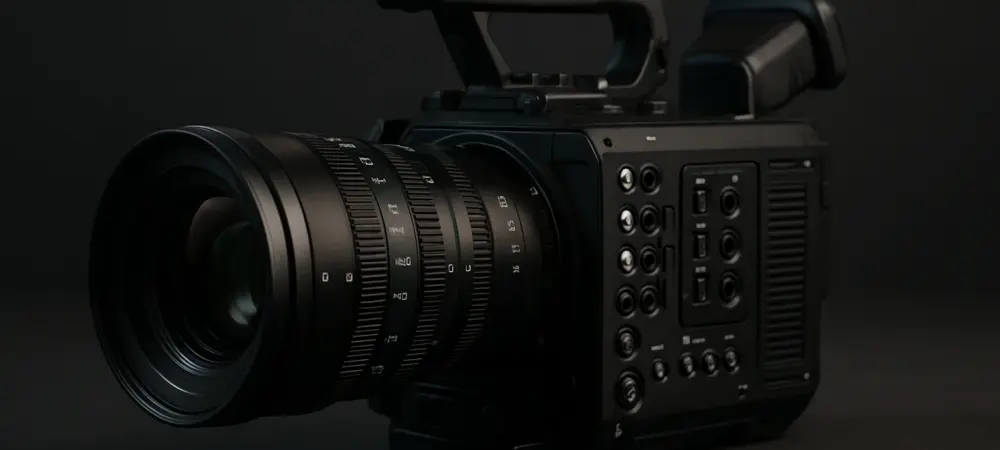
In an era where cinematic storytelling demands ever-higher standards of visual excellence, Fujifilm has taken a daring leap into uncharted territory with the launch of its first dedicated cinema camera, the GFX Eterna 55. Priced at $16,499.95 in the US and £13,999 in the UK, this premium device signals the company’s intent to challenge established giants in the professional video production arena. Known for its prowess in still photography, Fujifilm is now aiming to carve out a space among cinematographers with a camera that boasts cutting-edge technology and uncompromising image quality. This bold move raises questions about whether a brand traditionally associated with photography can disrupt a market dominated by specialized cinema gear. As filmmakers increasingly seek tools that push creative boundaries, the arrival of this model offers a fresh perspective on what a cinema camera can achieve, blending familiar technology with innovative design tailored for high-end video production.
Unveiling Cutting-Edge Technology
Harnessing a Powerful Sensor for Cinematic Excellence
At the core of the GFX Eterna 55 lies a staggering 102-megapixel, 44x33mm sensor, often described as medium-format in casual terms, though it falls short of traditional medium-format definitions. This sensor, shared with Fujifilm’s flagship stills camera, the GFX100 II, dwarfs full-frame alternatives, delivering unparalleled image quality and supporting a variety of cinematic formats, including anamorphic. Capable of recording up to 8K resolution, the camera caters to the exacting needs of modern filmmaking with internal Apple ProRes 422 HQ and proxy recording, alongside external 12-bit RAW output via HDMI. With a dual base ISO of 800 and 3200, and a dynamic range surpassing 14EV, it equips cinematographers with a tool that excels in capturing intricate details and vibrant colors. This technological foundation positions the device as a serious contender for professionals who prioritize resolution and flexibility in their creative workflows, setting a high bar for what cinema cameras can achieve in terms of raw visual power.
Innovative Features Tailored for Filmmakers
Beyond its impressive sensor, the GFX Eterna 55 introduces features explicitly designed for the rigors of professional video production. The camera includes a built-in variable electronic ND filter with a 2-7EV range, adjustable in half-stop increments, offering precise control over exposure in diverse lighting conditions. Dual displays—a 3-inch, 1.04-million-dot built-in screen and a detachable 5-inch, 6.22-million-dot monitor with 2,000-nit brightness—ensure optimal visibility even in challenging outdoor environments. Professional-grade connection ports and subject detection autofocus with compatible GF lenses further enhance its usability in dynamic shooting scenarios. Weighing around 4.41 pounds and built for mounting on rigs or gimbals, this camera is clearly engineered for deliberate, high-stakes productions rather than casual handheld use. Such thoughtful design elements underscore Fujifilm’s commitment to meeting the nuanced demands of serious filmmakers seeking specialized equipment for their craft.
Market Impact and Industry Implications
Competing in a Crowded Cinema Landscape
Entering the professional cinema camera market presents significant challenges for Fujifilm, as it faces entrenched competitors with established ecosystems and brand loyalty. The GFX Eterna 55, with its premium price point more than double that of the GFX100 II, targets a niche audience of high-end cinematographers rather than the broader consumer base. To demonstrate its capabilities, Fujifilm collaborated on a short film titled Okay, directed by Andrew Kightlinger and shot by cinematographer Oren Soffer, showcasing the camera’s potential in narrative filmmaking. This strategic move highlights confidence in the product’s performance and a direct appeal to creative professionals. However, breaking into a space dominated by specialized brands requires not only superior technology but also robust support systems, such as lens compatibility and service networks. The success of this camera will hinge on Fujifilm’s ability to build trust and deliver consistent value to a discerning clientele.
Blurring the Lines Between Stills and Video
The release of the GFX Eterna 55 reflects a broader industry trend toward the convergence of still photography and video technology, as manufacturers adapt high-resolution sensors for dual purposes. By leveraging its existing medium-format sensor technology and integrating signature film simulation color profiles, Fujifilm ensures a seamless experience for users already familiar with its ecosystem. Yet, the camera’s dedicated video features, such as the variable ND filter and enhanced display options, distinguish it from hybrid models, emphasizing a focused approach to cinema production. This strategic positioning suggests an intent to cater to a specialized market segment rather than mass appeal, aligning with the growing demand for tools that offer unique value propositions like larger-than-full-frame sensors and 8K capabilities. As more companies explore this intersection of imaging technologies, the GFX Eterna 55 stands as a testament to the evolving landscape where boundaries between photography and videography continue to blur.
Reflecting on a Bold Venture
Looking back, Fujifilm’s introduction of the GFX Eterna 55 marked a pivotal moment in its journey from a still photography powerhouse to a contender in the cinema camera arena. The fusion of a massive 102-megapixel sensor with professional video features like 8K recording and dual displays demonstrated a clear vision to empower filmmakers with exceptional tools. As the industry reflected on this release, it became evident that the camera’s targeted design and premium pricing carved out a specific niche among high-end cinematographers. Moving forward, the focus should shift to how Fujifilm can expand its ecosystem, offering more compatible cine lenses and robust support to build lasting trust with professionals. Additionally, continued collaboration on real-world projects could further validate the camera’s capabilities, inspiring confidence among potential users. This debut set a foundation for future innovations, prompting the industry to watch closely for how Fujifilm would refine its approach to meet the ever-evolving demands of cinematic storytelling.