

I’m thrilled to sit down with Dominic Jainy, a seasoned IT professional whose deep knowledge in artificial intelligence, machine learning, and blockchain has shaped innovative solutions across industries. Today, we’re diving into his insights on a groundbreaking project by Garbe Data Centers—a planned 350MW data center campus in Denmark. This conversation explores the strategic vision behind Garbe’s ambitious development, the unique advantages of the chosen location, the massive scale and investment involved, and the commitment to sustainability that defines this project. We’ll also touch on the historic significance of the land deal and its potential impact on the local community. Let’s get started.
Can you tell us about Garbe Data Centers and what drives your mission in the data center industry?
Absolutely, Garbe Data Centers is a division of a well-established European real estate developer with roots dating back to 1965. Our focus is on creating cutting-edge data center infrastructure that supports the digital economy. What drives us is a commitment to combining innovative technology with sustainable practices. We aim to build facilities that not only meet the high demands of today’s tech landscape but also prioritize environmental responsibility. Our journey began with a partnership in 2019, and since then, we’ve been dedicated to pushing boundaries in this space.
What sets Garbe apart from other data center developers in Europe?
I’d say it’s our holistic approach. We don’t just build data centers; we integrate them into the broader vision of sustainable digital infrastructure. Our background in real estate gives us a unique perspective on land use and long-term value creation. Plus, our emphasis on renewable energy and environmental design standards really differentiates us. We’re not just following trends—we’re setting them by ensuring our projects align with both technological and ecological goals.
Why was Denmark, and specifically Guldborgsund Municipality, chosen for this massive 350MW campus?
Denmark stood out for several reasons. It’s a hub for digital innovation with a strong focus on green energy, which aligns perfectly with our values. Guldborgsund Municipality, located about 130 kilometers south of Copenhagen, offers a strategic position with access to robust infrastructure. The area around Business Park Falster is ideal for connectivity and expansion. Additionally, the local government’s enthusiasm and support made it clear this was the right place to invest in a project of this scale.
Can you paint a picture of the scale of this campus and what it will look like once completed?
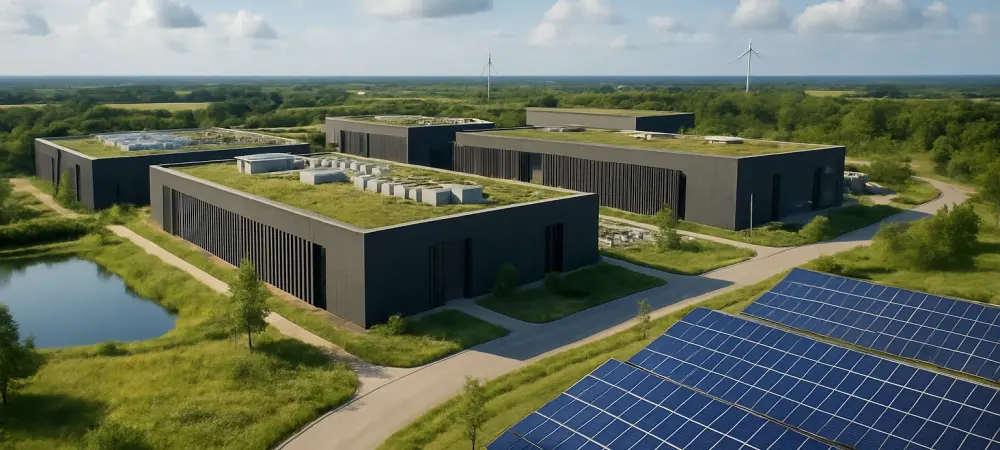
This is a massive undertaking—a 350MW campus spread across 35 hectares of land. We’re planning to develop between six and nine individual data centers, depending on final designs and demand. Once completed, this could be the largest data center campus in Denmark. It’s not just about size, though; it’s about creating a world-class facility that combines state-of-the-art technology with sustainable design. We’re looking at a timeline of several years, with surveys and planning already underway to ensure everything is executed flawlessly.
With an investment of up to $3 billion, where are the key areas of focus for this budget?
The $3 billion, or roughly 20 billion DKK, will be allocated across multiple critical areas. A significant portion will go into infrastructure—think high-capacity power systems and advanced cooling technologies to handle the 350MW load. We’re also heavily investing in sustainable solutions, like integrating renewable energy sources. Beyond that, construction costs, land development, and cutting-edge security systems are major components. It’s a balanced approach to ensure both operational excellence and environmental stewardship.
Sustainability seems to be a core pillar of this project. How are you planning to achieve that with such high energy demands?
Sustainability is absolutely central to our vision. We’re exploring renewable energy options like wind and solar, which are abundant in Denmark, to power the campus. Our design incorporates energy-efficient technologies to minimize consumption without compromising performance. We’re also looking at ways to recycle heat generated by the data centers for local use. Balancing the high energy needs with environmental responsibility is a challenge, but it’s one we’re tackling head-on with innovative solutions and partnerships.
This land deal is the largest in Guldborgsund Municipality’s history. How does it feel to be part of such a milestone?
It’s incredibly humbling and exciting to be involved in something historic. This isn’t just a transaction; it’s a partnership with the municipality to bring transformative growth to the region. The process involved a competitive public tender, and working closely with local leaders to align on shared goals was key. Knowing that we’re contributing to the area’s future through investment and innovation makes this a deeply rewarding experience.
What kind of impact do you anticipate this project will have on the local community in terms of jobs and growth?
The impact is going to be substantial. We’re talking about creating numerous jobs, both during the construction phase and once the campus is operational. These range from technical roles to support services, offering opportunities for local talent. Beyond jobs, the project will drive economic growth by attracting other businesses and investments to the area. It’s also a chance to position Guldborgsund as a key player in the green, digital economy, which is a win for everyone in the community.
Looking ahead, what is your forecast for the future of sustainable data center development?
I believe the future of data centers lies in sustainability becoming non-negotiable. As digital demand skyrockets, so does the pressure to reduce carbon footprints. We’ll see more integration of renewable energy, advanced cooling systems, and even AI-driven efficiency models. Locations like Denmark, with access to green resources, will become prime spots for development. I think the industry will also move toward greater collaboration with local governments and communities to ensure projects benefit everyone. It’s an exciting time, and I’m optimistic about the innovations we’ll see in the next decade.