

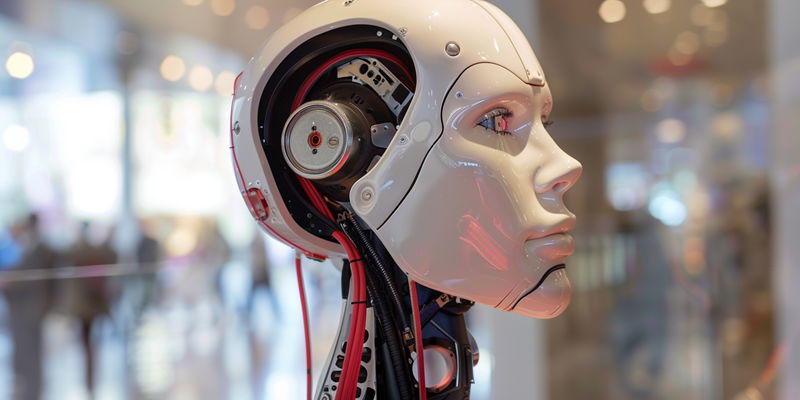
The landscape of neurorehabilitation is experiencing a transformative shift with the introduction of CARMEN, a groundbreaking cognitive robot developed by the University of California San Diego in collaboration with healthcare professionals and individuals with mild cognitive impairment (MCI). Designed to enhance and nurture cognitive abilities such as memory, attention, and executive functioning skills, CARMEN stands at the forefront of at-home neurorehabilitation. This innovative solution offers personalized and engaging cognitive training exercises that are not only effective but also enjoyable.
Personalization and Practical Support
User-Centered Development Approach
CARMEN’s development underscores a user-centered approach that prioritizes personalization and practicality in supporting individuals with MCI. The robot guides users through a range of cognitive training exercises, including routines for organizing important items and effective note-taking. These exercises are presented as interactive games and activities, making the process both effective and enjoyable. The emphasis on personalization ensures that each user receives tailored support based on their unique cognitive needs, fostering greater autonomy and confidence in their daily lives.
Furthermore, CARMEN aims to be more than just a tool; it acts as an empathetic companion capable of fostering cognitive growth. By enabling user-friendly interaction, the robot allows individuals to use it with minimal supervision. This feature significantly reduces the need for constant oversight from human caregivers, injecting a sense of independence into the rehabilitation process. The practical support provided by CARMEN extends beyond mere cognitive exercises, instilling a sense of security and reliability for the user.
Enhancing Cognitive Growth and Autonomy
The successful trials of CARMEN have shown promising results, where participants with MCI reported increased confidence in utilizing cognitive strategies in their daily lives. This confidence is a direct result of the personalized and engaging nature of the robot’s training exercises. The interactive format of the cognitive games and activities eliminates the monotony often associated with traditional rehabilitation techniques, thereby keeping users motivated and engaged over longer periods.
CARMEN’s ability to adapt to the evolving needs of its users plays a crucial role in enhancing cognitive growth. As the user progresses in their cognitive skills, the robot adjusts its exercises to match the new skill level, ensuring that the training remains challenging and effective. This adaptability underscores the robot’s potential to make a significant impact on the cognitive health of individuals with MCI, providing them with the tools needed to navigate their daily lives with greater ease and self-sufficiency.
Challenges and Controversies
Data Privacy and Security Concerns
Despite its promising features, CARMEN’s integration into at-home neurorehabilitation is not without challenges and controversies, primarily surrounding data privacy and security. The robot collects sensitive cognitive performance data from its users, raising concerns about how this information is stored and protected. Without stringent data protection measures, the confidentiality of user information could be compromised, eroding the trust that is essential for widespread adoption of the technology.
Securing data privacy involves not only strong encryption methods but also transparent policies regarding data usage. Users need reassurance that their information will not be misused or accessed without their consent. The development team must prioritize building robust security systems to protect against potential breaches while ensuring compliance with legal standards. This focus on data security is vital for gaining user confidence and achieving the necessary trust for the technology to thrive in home environments.
Impact on Human Caregivers
Another significant area of concern is the potential impact of cognitive robots like CARMEN on the role of human caregivers. While the robot offers personalized support and practical aid, there is an ongoing debate over whether such robots will replace or complement human caregivers. On one hand, robots can provide consistent and tireless assistance, potentially reducing the burden on human caregivers. On the other hand, the emotional and human connection provided by caregivers is irreplaceable, and there is concern that over-reliance on robots could undermine this essential human aspect.
Striking a balance between automation and human interaction is critical. As robots like CARMEN become more prevalent, it is important to ensure they complement rather than replace human caregivers. This balance can be achieved by integrating robots as tools to assist caregivers, allowing them to focus more on providing emotional support and less on repetitive cognitive tasks. This collaborative approach can enhance the overall care experience for individuals with MCI, combining the strengths of both human and robotic assistance.
Advantages and Disadvantages
Improved Accessibility and Convenience
The incorporation of cognitive robots like CARMEN into home-based neurorehabilitation comes with notable advantages, particularly in terms of accessibility and convenience. Traditional neurorehabilitation often involves travel to specialized centers, which can be a significant barrier for individuals with cognitive impairments. CARMEN eliminates these barriers by bringing cognitive training directly into the home, making rehabilitation more accessible and less time-consuming.
Moreover, the convenience offered by CARMEN’s at-home approach cannot be overstated. Users can engage in cognitive training at their own pace and within their own schedules, providing a flexible and accommodating solution that fits into their daily routines. This flexibility is particularly beneficial for individuals who may find it challenging to adhere to the rigid schedules of conventional rehabilitation programs. The accessibility and convenience of CARMEN thus stand as major benefits, making cognitive training more feasible for a broader range of individuals.
Limitations in Robotic Companionship
Despite its advantages, the use of robots like CARMEN also has its limitations, particularly in the realm of emotional support and companionship. Unlike human caregivers, robots lack the emotional depth and genuine empathy that are vital for holistic support. While CARMEN can simulate empathy and offer interactive engagement, it cannot fully replicate the nuanced emotional connection provided by human interaction. This limitation poses challenges in fostering genuine emotional bonds with users, which are often crucial for comprehensive neurorehabilitation.
The robotic companionship may be effective for task-based and cognitive support but falls short in providing the emotional nurturing that many individuals with MCI require. This limitation highlights the importance of combining robotic assistance with human caregiving. By leveraging the strengths of both robots and human caregivers, it is possible to create a more well-rounded and effective support system for individuals undergoing neurorehabilitation. The emotional depth provided by human caregivers can complement the practical and cognitive support offered by robots, ensuring a more holistic approach to rehabilitation.
Future Prospects and Considerations
Integration and Acceptance
The future prospects of cognitive robots like CARMEN in at-home neurorehabilitation are promising but require careful consideration for successful integration and acceptance. The development and implementation of these technologies must continuously address privacy concerns, ethical implications, and the potential social impact on human caregivers. Transparent communication with users and stakeholders, ongoing research, and ethical guidelines will be essential in shaping the responsible use of cognitive robots in home environments.
Achieving broad acceptance will also depend on the real-world effectiveness and reliability of these robots. Long-term studies and continual feedback from users will play a crucial role in refining the robots’ functionalities and ensuring they meet the evolving needs of individuals with MCI. By focusing on these areas, developers can foster greater trust and acceptance, making cognitive robots a valuable asset in the future of at-home neurorehabilitation.
Conclusion
The field of neurorehabilitation is undergoing a significant transformation with the launch of CARMEN, an innovative cognitive robot created by the University of California San Diego. This pioneering project was developed in close collaboration with healthcare professionals and individuals suffering from mild cognitive impairment (MCI). CARMEN is specifically designed to bolster cognitive abilities such as memory, attention, and executive functioning skills, making it a groundbreaking at-home neurorehabilitation tool. One of the hallmarks of CARMEN is its ability to offer personalized and engaging cognitive training exercises that are both effective and enjoyable. With features tailored to meet individual needs, it stands out as a leading solution in the realm of cognitive rehabilitation. As people strive to improve their cognitive health from the comfort of their homes, CARMEN introduces a new era of accessibility and efficiency in neurorehabilitation therapy. This advancement signals a promising future for individuals living with MCI, allowing them to proactively manage their cognitive health in a dynamic and interactive way.