

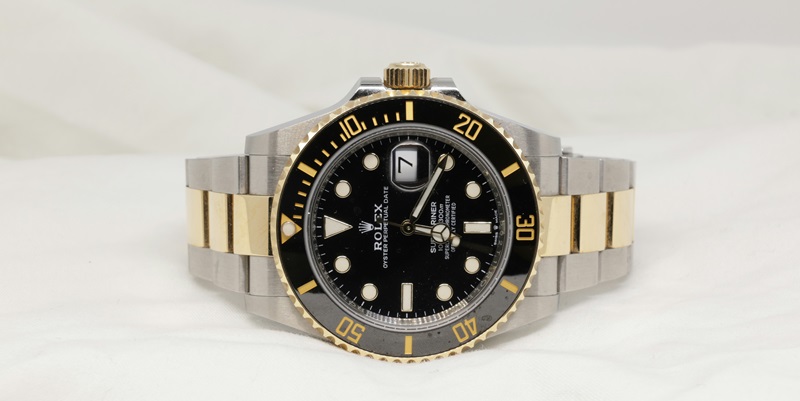
The luxury watch market, particularly for prestigious brands like Rolex, has faced increasing challenges from counterfeiting and theft. To address these pressing issues, Rolex has implemented an innovative solution that involves a blockchain-powered identity chip. This technological leap promises to protect the integrity of the brand and enhance the customer experience. As counterfeit products continue to flood the market and instances of theft become more prevalent, Rolex’s endeavor to utilize blockchain technology is both timely and crucial for maintaining its reputation and securing its esteemed timepieces.
The Rising Concerns in the Luxury Watch Market
Counterfeiting and theft have become significant hurdles for luxury watchmakers, putting brands like Rolex in a vulnerable position. Rolex, renowned for its iconic and highly coveted timepieces, has had its image tarnished and suffered substantial financial losses due to these issues. To combat these challenges, Rolex has taken a pioneering step by filing a patent for a blockchain-powered identity chip with the Organisation Mondiale de la Propriété Intellectuelle (WIPO). By leveraging blockchain, a technology known for its decentralized and tamper-proof nature, Rolex aims to create an impenetrable management system for its watches, ensuring the authenticity and security of each timepiece.
How Blockchain Enhances Watch Security
Blockchain technology offers a robust method for managing and securing data related to each Rolex watch. The decentralized nature of blockchain ensures that information such as serial numbers, manufacturing details, and service history is securely stored and unalterable. This innovative solution addresses the inefficiencies associated with traditional communication methods between customers and retailers. In a typical scenario, verifying the authenticity of watches relies on methods like emails, faxes, or phone calls, all susceptible to breaches and inefficiencies. By adopting a blockchain platform, Rolex facilitates more secure and reliable exchanges of information, significantly enhancing the customer experience while ensuring data integrity.
The Identity Chip: Rolex’s Digital Passport
Rolex’s identity chip technology serves as a digital passport for each watch, discreetly embedded within the case. This chip stores crucial details about the timepiece, including its unique serial number, manufacturing information, and full service history. Utilizing RFID (Radio Frequency Identification), the chips enable immediate verification of a watch’s authenticity through a simple scan. By integrating these identity chips with blockchain technology, Rolex aims to provide a seamless and secure method for authenticating its watches, thereby bolstering customer trust and brand integrity.
Enhancing Ownership and Protection
For Rolex customers, the integration of blockchain and identity chips dramatically improves the ownership experience. The tamper-proof nature of this technology ensures that every watch remains secure and authentic—an asset particularly valuable for collectors trading watches in the secondary market. Given the high risk of counterfeit purchases in this market, Rolex’s system offers a dependable method for verifying authenticity.
Streamlined Maintenance and Service
The blockchain identity chip system also simplifies maintenance processes. When a customer takes a watch for service, the retailer can instantly retrieve the watch’s detailed history and service needs. This real-time access to information enhances transparency and builds trust between the brand, retailer, and customer. The accompanying smartphone app further streamlines these interactions by facilitating real-time data exchanges and updates.
Addressing Counterfeiting and Theft
Counterfeiting is a pervasive issue plaguing the luxury watch industry. Rolex’s blockchain-powered identity chip is designed to counter this problem. With its tamper-proof features and ability to securely store and verify essential information, replicating authentic Rolex watches becomes significantly more difficult for counterfeiters. This technology ensures that only genuine Rolex watches can be authenticated, thereby protecting the brand’s integrity and the investments of its customers.
Deterrence of Theft
The introduction of tamper-proof identity chips serves as a deterrent to theft. Stolen watches become difficult to sell in legitimate markets as their identity chips can quickly verify ownership and authenticity. The decentralized blockchain system manages and verifies ownership efficiently, reducing the market for stolen luxury goods.
Rolex’s Pioneering Role in the Industry
The luxury watch market, especially for high-profile brands like Rolex, is grappling with mounting issues of counterfeiting and theft. In response to these challenges, Rolex has introduced an innovative solution: a blockchain-powered identity chip. This cutting-edge technology aims to safeguard the authenticity of the brand while also elevating the customer experience. Given the surge of counterfeit products and the increasing frequency of theft, Rolex’s initiative to embrace blockchain technology is timely and crucial. By leveraging blockchain technology, Rolex is not only protecting its esteemed reputation but also fostering a market of trust and authenticity in the luxury watch industry.