

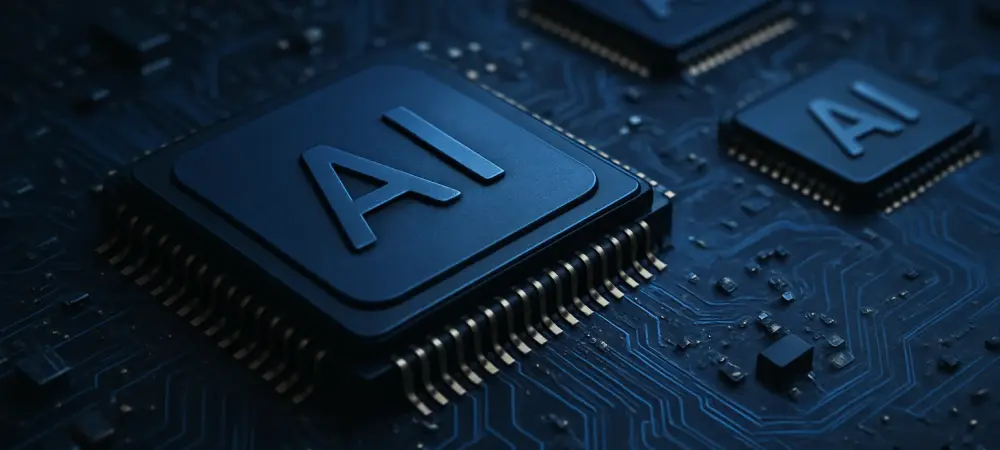
In a world where artificial intelligence is reshaping industries at an unprecedented pace, the race for technological supremacy in AI hardware has taken a dramatic turn with a major Chinese tech giant stepping into the fray. Baidu, a leading AI vendor based in China, has unveiled plans to launch two cutting-edge AI chips, signaling a bold move to carve out a significant share of a market long dominated by global heavyweights. This development comes at a time when geopolitical tensions and trade restrictions are pushing Chinese firms to seek independence from foreign technology, particularly in the AI sector. The announcement has sparked intense curiosity about whether this could mark a turning point in the global balance of power in AI hardware, challenging established players and reshaping competitive dynamics. As the industry watches closely, the implications of this move extend far beyond corporate strategy, touching on national policies and technological self-reliance.
Emerging Players in the AI Chip Arena
Baidu’s Strategic Leap into Hardware Innovation
Baidu’s introduction of the M100 and M300 chips, slated for release in 2026 and 2027 respectively, represents a calculated step into the highly competitive AI hardware market. The M100 is designed specifically for large-scale inference tasks, catering to the growing demand for efficient data processing in AI applications. Meanwhile, the M300 offers versatility by supporting both large-scale model training and inference, positioning it as a comprehensive solution for enterprises looking to scale their AI capabilities. This dual approach highlights Baidu’s ambition to address diverse needs within the industry, from operational efficiency to advanced model development. While the company has not historically been a frontrunner in generative AI chip technology, its deep expertise in traditional machine learning and extensive network of enterprise partnerships in China provide a strong foundation for this venture. The potential to offer an end-to-end AI solution could set Baidu apart in a crowded field.
Building on Enterprise Connections for Market Impact
Beyond the technical specifications of the M100 and M300, Baidu’s established relationships with major Chinese enterprises offer a significant advantage in gaining market traction. Industry analysts point out that many local businesses are eager for alternatives to existing dominant players, driven by both cost considerations and national directives to reduce reliance on foreign technology. Baidu’s ability to leverage its reputation as a trusted AI provider could accelerate adoption of its chips among these firms. Additionally, the company’s comprehensive capabilities across AI software and hardware development create a unique value proposition, a rarity matched by only a handful of global competitors. This integrated approach may help Baidu overcome initial skepticism about its chip-making prowess, especially in a market where proven performance is critical. As the rollout of these chips approaches, their real-world effectiveness will be a key determinant of success.
Global Trends and Geopolitical Influences
Shifting Dynamics in the Chinese Chip Ecosystem
The launch of Baidu’s AI chips arrives against a backdrop of significant shifts within the Chinese chip market, fueled by a combination of scarcity and policy-driven imperatives. Government initiatives, including directives from regulatory bodies, have urged local tech firms to pivot away from foreign-made chips, creating an urgent need for domestic alternatives. Baidu’s entry is seen as a timely response to this call for technological self-sufficiency, potentially filling a critical gap for enterprises seeking reliable hardware solutions. Analysts suggest that while Baidu may not yet match the technical dominance of some competitors, its strategic positioning and alignment with national goals could catalyze broader adoption. The push for independence in AI infrastructure reflects a larger trend of Chinese companies prioritizing homegrown innovation amidst external pressures, setting the stage for a redefined competitive landscape over the coming years.
Contrasting Motivations Across Global Markets
On a global scale, the motivations behind AI chip development vary starkly between regions, adding another layer of complexity to Baidu’s challenge. In the United States, tech giants are increasingly investing in proprietary chip designs as a means of diversification, aiming to reduce dependency on single suppliers and tailor hardware to specific AI workloads. In contrast, Chinese vendors face a more pressing necessity, driven by restricted access to advanced foreign technology and a national agenda promoting self-reliance. This divergence underscores a broader industry movement where control over hardware ecosystems is becoming a strategic priority for AI vendors worldwide. For Baidu, navigating these geopolitical currents will be as crucial as delivering on technical performance. The interplay between innovation and policy will likely shape how effectively the company can position its chips as viable contenders in both domestic and international markets.
Reflecting on a Pivotal Industry Moment
Lessons from a Bold Technological Push
Looking back, Baidu’s announcement of the M100 and M300 chips stood as a defining moment in the evolution of the AI hardware sector, reflecting both ambition and necessity. The strategic decision to enter a market long dominated by established giants showcased a willingness to confront formidable challenges head-on, even in the face of historical struggles with chip development. This move not only highlighted the growing importance of localized technology solutions in China but also underscored the intricate dance between corporate innovation and geopolitical forces. The industry took note of how national policies could accelerate technological advancements, even as Baidu grappled with proving the efficacy of its offerings against well-entrenched competitors. This chapter in AI history revealed the complexities of balancing technical innovation with broader strategic imperatives.
Future Pathways for Industry Evolution
As the dust settled on this significant development, attention turned to actionable steps that could sustain momentum in the AI chip arena. For companies like Baidu, the focus shifted to rigorous testing and real-world deployment to validate the performance of new hardware solutions. Collaborations with enterprise partners emerged as a vital strategy to refine chip capabilities and build trust among potential adopters. Meanwhile, policymakers and industry stakeholders began exploring frameworks to support domestic innovation without stifling global cooperation. The path forward demanded a delicate balance—ensuring that technological self-reliance did not come at the expense of broader industry progress. As new players continued to emerge, the lessons from Baidu’s endeavor offered valuable insights into fostering a competitive yet collaborative ecosystem, paving the way for future breakthroughs in AI infrastructure.