

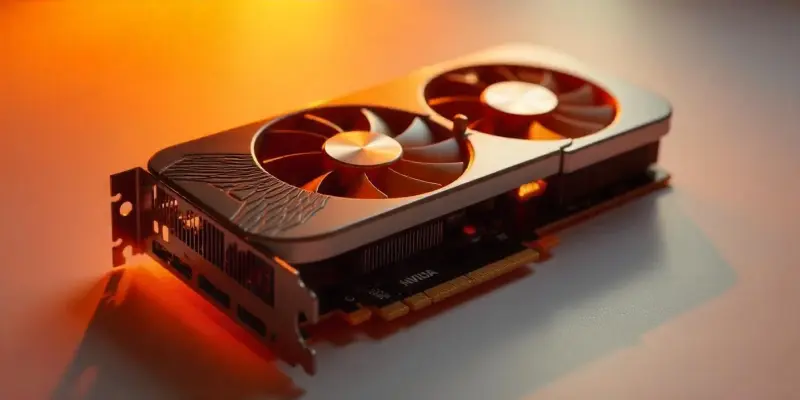
As the weight of graphics cards continues to rise, the issue of GPU sag has become a real concern for tech enthusiasts and professionals alike. This sagging not only poses aesthetic problems but can also lead to significant hardware damage if not addressed appropriately. Asus, a leader in innovative technology, has stepped up with a revolutionary solution for its ROG Astral RTX 5090 graphics card. By integrating a gyroscopic accelerometer, Asus aims to combat the effects of creeping gravity on high-performance graphics cards. The Bosch BMI323 IMU accelerometer collaborates effectively with the Asus GPU Tweak III software to ensure that users are notified the moment sag is detected. This innovative hardware-software marriage offers a proactive approach to safeguarding expensive components from the potential pitfalls of gravity.
Innovative Solution with Gyroscopic Technology
The inclusion of the gyroscopic accelerometer in the ROG Astral RTX 5090 marks a significant leap in graphics card design. The Equipment Installation Check feature, backed by the Bosch BMI323 IMU accelerometer, offers a new level of protection by continuously monitoring the card’s positioning. Should the card deviate from its ideal horizontal installation, users are promptly alerted. This introduces a preventive measure, equipping users with the necessary information to avoid possible damage. Graphics card sagging typically necessitates additional stabilizers or brackets, but with Asus’s solution, the focus shifts towards intelligent detection and early intervention. This tech advancement is vital since the RTX 5090, weighing a substantial 6.6 pounds, inherently brings a greater risk of sag. Asus has therefore moved beyond traditional stabilizers, steering toward smart technologies for better longevity and utility of the graphics card.
Addressing Current and Future Challenges
The advancement of integrated gyroscopic accelerometers in graphics cards promises a boost in handling structural challenges, yet the industry still grapples with hurdles, notably the overheating of power connectors seen in the RTX 50 series. While card sag isn’t widespread, it does pose issues for desktop setups rich with high-performance elements. Asus’s innovative use of accelerometer technology highlights its forward-thinking strategy to forestall these troubles. The real test lies in ensuring this technology seamlessly integrates with existing components to provide a comprehensive fix. Problems users face are often more complex than mere sagging. While other companies may stick to conventional mechanical support systems, Asus presents a dynamic solution that showcases limitless innovation. The aim is to give users tools to prevent disruptions and preserve the integrity of their systems. As technological evolution proceeds, there’s a focus on refining solutions with smarter methods to tackle varied hardware challenges swiftly.