

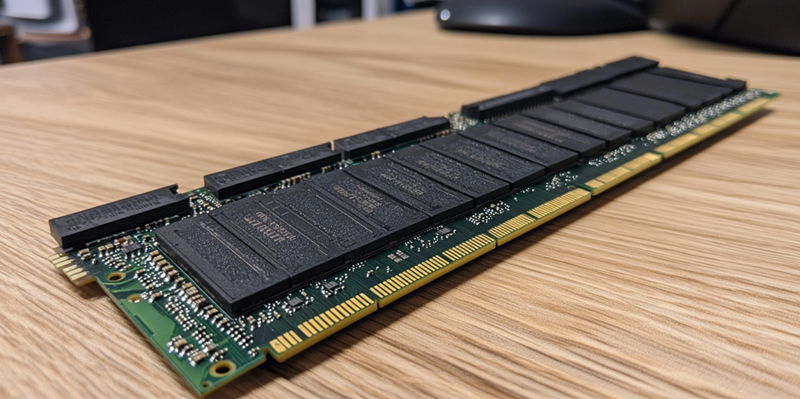
ASUS and G.Skill have achieved a groundbreaking milestone in the realm of computing performance, setting a new DDR5 memory frequency world record. Utilizing the G.SKILL Trident Z5 RGB DDR5 memory, paired with the ASUS ROG Maximus Z890 Apex motherboard and an Intel Core Ultra 9 285K processor under LN2 extreme cooling, they reached an astonishing speed of 12112 MT/s. This impressive feat not only underscores the technological prowess of these components, but also highlights the exceptional overclocking capabilities of the latest Intel Z890 platform, G.SKILL memory, and ASUS hardware. Verification and submission of these results to HWBOT and CPU-Z confirm the authenticity and robustness of this new record.
The collaboration between ASUS and G.Skill in achieving this new record is a testament to their commitment to pushing the limits of hardware performance. The remarkable synchronization of the G.SKILL Trident Z5 RGB DDR5 memory with the advanced capabilities of the ASUS ROG Maximus Z890 Apex motherboard speaks volumes about the innovation driving the partnership. Unleashing such speeds required not only cutting-edge technology but also an unwavering dedication to overclocking, as demonstrated by the use of LN2 extreme cooling to maintain stability. This achievement serves as a profound milestone, signaling significant advancements in memory performance and setting a new benchmark for the overclocking community.
The implications of this new memory frequency world record extend far beyond mere bragging rights. It highlights the potential for future advancements in PC component performance, specifically within the field of memory technology. As overclocking enthusiasts and professional users alike continue to push their systems to the limit, the demand for higher memory speeds and better performance will likely grow. The collaboration between leading hardware manufacturers like ASUS and G.Skill is crucial in driving these technological advancements, fueling innovation, and setting new standards for what is achievable in computing performance.
In conclusion, the achievement of this new DDR5 memory frequency world record by ASUS and G.Skill marks a significant milestone in the realm of overclocking and PC performance. This remarkable feat not only showcases the superior overclocking capabilities of the latest Intel Z890 platform but also underscores the ongoing advancements and collaborations within the industry. Such milestones continue to push hardware limits, reinforcing the drive for higher performance in computing technology.