

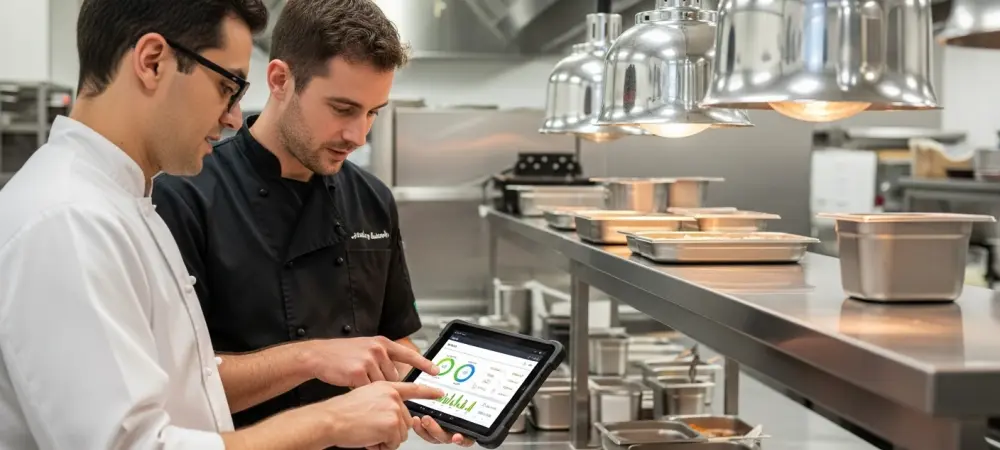
The persistent challenge of balancing impeccable guest service with razor-thin profit margins has long defined the restaurant industry, pushing operators to seek innovative solutions beyond traditional hospitality models. Today, the integration of Artificial Intelligence is no longer a futuristic concept but a present-day reality, fundamentally reshaping how establishments operate. These sophisticated systems are moving far beyond simple automation to offer intelligent, data-driven platforms that enhance efficiency, elevate the guest experience, and provide a critical strategic advantage in an intensely competitive landscape.
Are Empty Tables and an Overwhelmed Staff Costing You More Than Just Money?
In the fast-paced restaurant environment, operational inefficiencies carry a steep price. An empty table during a dinner rush represents lost revenue, while a disorganized waitlist can lead to frustrated patrons who may choose to dine elsewhere and share their negative experience. These seemingly small issues compound over time, directly impacting the bottom line. The challenge lies in maximizing seating capacity and table turnover without sacrificing the quality of service, a delicate balancing act that manual systems struggle to maintain consistently.
Beyond the financial implications, the human cost of operational strain is significant. An overwhelmed front-of-house team, juggling reservations, seating guests, and answering incessant phone calls, is more prone to making errors and showing signs of burnout. This stress can compromise the guest experience and contribute to high staff turnover, a costly and disruptive problem for any business. When employees are bogged down by repetitive administrative tasks, their ability to provide the attentive, personal service that builds customer loyalty is severely diminished.
The New Competitive Edge Moving Beyond Automation to Intelligent Hospitality
The adoption of technology in restaurants is not new, but the shift from basic automation to intelligent systems marks a significant evolution. Simple digital reservation books and online ordering forms were a necessary first step, yet they often operate in silos and lack the capacity to learn or adapt. True competitive advantage in 2026 is found in technology that does more than just digitize a manual process; it must offer predictive insights and create a more dynamic, responsive operational framework.
This is where AI-driven platforms create a new standard for intelligent hospitality. Unlike static tools, these systems analyze data in real time to anticipate needs, personalize interactions, and streamline complex workflows. They function not as a replacement for human staff but as a powerful partner, handling logistical complexities so that hosts, servers, and managers can focus on what they do best: creating memorable experiences for their guests. This synergy between human touch and intelligent technology is redefining what it means to run a successful modern restaurant.
Unpacking the AI Toolkit Key Areas of Transformation
The transformation begins at the first point of contact: booking a table. AI platforms automate the entire reservation lifecycle, from initial booking to confirmations and modifications, virtually eliminating the manual errors that can lead to double bookings or missed opportunities. More profoundly, these systems use intelligent algorithms to optimize table assignments and manage waitlists in real time, dynamically adjusting for party sizes and expected dining durations. This allows restaurants to maximize seating capacity and turnover, ensuring a smooth and continuous flow of patrons, even during peak hours.
Once a guest is engaged, AI acts as a 24/7 virtual concierge, providing instant and accurate answers to common inquiries about hours, menu items, or dietary accommodations. This frees up staff from repetitive phone calls and allows them to provide more attentive in-person service. The system’s true power, however, lies in its ability to personalize the guest experience. By analyzing past visit data, it can flag anniversaries, remember favorite dishes, or suggest a preferred table, allowing the restaurant to offer the kind of bespoke recognition that turns first-time visitors into loyal advocates.
Efficiency is further enhanced during the dining experience itself. AI-powered systems streamline tabletop ordering, reducing the potential for miscommunication between guests and the kitchen while meticulously tracking dietary restrictions with precision. This leads to higher order accuracy and greater guest satisfaction. Furthermore, these platforms facilitate secure and contactless payment options directly from a guest’s smartphone, a convenience that aligns with modern consumer expectations for speed and hygiene, ultimately shortening table turnover times.
The impact of AI extends deep into back-of-house operations. Using predictive analytics, these systems analyze historical data on foot traffic and reservation patterns to inform staff scheduling, preventing both costly overstaffing during lulls and service-damaging understaffing during peak times. This data-informed approach significantly reduces labor costs. Similarly, AI revolutionizes inventory management by providing real-time monitoring of stock levels and forecasting future needs, which minimizes food waste and prevents shortages of popular menu items.
Voices from the Industry Real-World Impacts and Expert Insights
Many restaurateurs who were initially skeptical of integrating complex technology have since become its strongest proponents. One such owner of a bustling urban bistro noted a dramatic shift after implementation, explaining that the AI platform transformed their front-of-house from a “chaotic bottleneck into a smooth, welcoming operation.” They highlighted the system’s ability to manage the waitlist with precision, which not only increased nightly covers but also improved staff morale by reducing stressful situations. The ability to reallocate staff from answering phones to engaging with guests on the floor was described as a strategic advantage that directly enhanced the dining atmosphere.
The measurable return on investment provides compelling evidence of AI’s effectiveness. Industry data indicates that restaurants leveraging AI-powered guest management platforms have seen significant improvements in key performance metrics. One study revealed that optimized table management can increase seating efficiency by up to 15%, directly boosting revenue. Moreover, automated communication and personalized marketing have been shown to increase repeat guest visits by over 20%, demonstrating the technology’s power to build a loyal customer base. These figures illustrate that AI is not an extraneous expense but a strategic investment with a clear and quantifiable positive impact on a restaurant’s financial health.
Putting AI to Work A Strategic Framework for Your Restaurant
The first step in leveraging AI is to harness guest analytics for smarter menu engineering. By analyzing which dishes are ordered most frequently, which are often paired together, and which have the highest profit margins, restaurant managers can make data-driven decisions about menu design. This might involve highlighting popular, high-margin items, reformulating or removing underperforming dishes, and creating specials based on proven guest preferences, ensuring the menu is both appealing to customers and financially optimized for the business.
With a deep understanding of guest behavior, restaurants can develop hyper-targeted marketing and loyalty campaigns. Instead of generic email blasts, AI enables the creation of personalized offers sent to specific customer segments at the most opportune times. For example, a guest who frequently orders vegetarian dishes could receive a promotion for a new plant-based menu item, while a patron celebrating an anniversary could receive a special offer for a complimentary dessert, fostering a stronger connection and encouraging repeat business.
AI platforms excel at identifying operational bottlenecks that might otherwise go unnoticed. By analyzing data on table turnover times, kitchen order fulfillment rates, and periods of long wait times, management can pinpoint specific areas for improvement. These actionable insights might reveal a need for an extra server during a specific two-hour window on Saturdays or indicate that a particular station in the kitchen is slowing down service. This allows for precise, targeted adjustments rather than broad, inefficient changes.
Ultimately, the wealth of data collected and analyzed by an AI system empowered management to shift from a reactive to a proactive decision-making model. Instead of addressing problems as they arise, leaders could anticipate challenges and opportunities based on predictive analytics. This foresight enabled smarter staffing decisions, more effective inventory control, and strategic planning for future growth. The role of management evolved from daily fire-fighting to long-term strategy, guided by a constant stream of reliable, actionable data.