

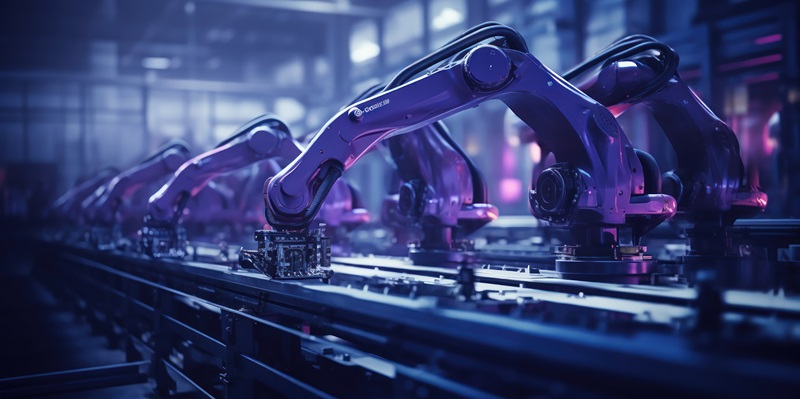
The future of the manufacturing sector is teetering on the edge of a significant transformation, driven largely by advancements in artificial intelligence and robotics. Pivot Robots, an AI startup co-founded by Carnegie Mellon University alumni Siddharth Girdhar and Vignesh Rajmohan, exemplifies the potential impact of this technological evolution. Recently, the company secured substantial funding from NuVentures, underscoring the investor’s confidence in Pivot Robots’ ability to revolutionize manufacturing by addressing labor shortages and enhancing precision and efficiency. This burgeoning partnership marks a pivotal moment for the integration of AI into traditional manufacturing processes, shedding light on the future possibilities these disruptive technologies harbor.
Pivot Robots aims to refine manufacturing by leveraging advanced AI vision control software. This innovation allows industrial robots to execute tasks with unparalleled precision and adaptability. The backing from NuVentures signifies a strong endorsement of the firm’s technological advancements and reflects a broader trend of AI developments emerging from leading institutions in the U.S. and India. This growing collaboration between elite academic entities suggests a promising future filled with cross-border innovations poised to revolutionize traditional manufacturing sectors. The narrative put forth by Pivot Robots illustrates an active pivot toward integrating AI and robotics into the core of industrial operations, positioning itself as a frontrunner in this new wave of technological evolution.
Revolutionizing Manufacturing with AI and Robotics
Pivot Robots’ core mission revolves around developing AI vision control software, which empowers industrial robots to perform tasks with exceptional accuracy and flexibility. This level of precision in automation could substantially reduce human error and improve overall efficiency across manufacturing operations. By shifting labor-intensive and hazardous tasks to robots, the startup not only promises enhanced efficiency but also dramatically augments safety standards within the industry. The integration of AI into robotics ensures that machines can adapt and learn from their environment, making them far superior to their traditional counterparts that follow rigid programming.
This progressive approach toward manufacturing reflects a transformation where AI-driven robots play a central role in routine operations, thereby alleviating traditional pain points such as labor shortages and inconsistencies in quality control. The forward-thinking vision of Siddharth Girdhar and Vignesh Rajmohan, paired with their extensive expertise from tenure at prominent firms such as Meta, Google, and Uber, enables Pivot Robots to offer solutions that are not only innovative but also highly practical. This dynamic fusion of AI with robotics is rapidly redefining what is possible in an industrial context, setting the stage for a future where manufacturing processes are markedly more efficient, precise, and safe.
A Strategic Alliance for Future Innovation
The recent funding round led by NuVentures signifies more than just financial support; it marks the beginning of a strategic alliance poised to tackle some of the manufacturing sector’s most critical challenges. The backing from NuVentures extends beyond capital, as it comes with strategic assistance aimed at customer acquisition and talent recruitment in both India and the U.S. Such comprehensive support is crucial for a startup like Pivot Robots, which aims to scale its innovative solutions globally. The collaboration is not just about financial backing but also about harnessing the rich pool of talent and resources available in both countries to push the boundaries of what AI and robotics can achieve in manufacturing.
This partnership is emblematic of the kind of forward-thinking approach necessary to propel industries into the next era of technological advancement. NuVentures’ involvement underlines the investor’s endorsement of transformative technological solutions that promise to elevate industry standards. The synergy between Pivot Robots and NuVentures is poised to yield groundbreaking advancements, catalyzing a significant leap forward in manufacturing processes. By leveraging AI to tackle existing labor shortages and inefficiencies, Pivot Robots not only aligns with current industry needs but also sets new benchmarks for operational excellence and safety.
The Broader Impact on the Manufacturing Ecosystem
The manufacturing sector is on the brink of a major transformation, primarily driven by advancements in artificial intelligence and robotics. Pivot Robots, an AI startup co-founded by Carnegie Mellon University alumni Siddharth Girdhar and Vignesh Rajmohan, exemplifies this shift. Recently, the company received significant funding from NuVentures, highlighting the investor’s belief in Pivot Robots’ potential to revolutionize manufacturing by addressing labor shortages and improving precision and efficiency. This partnership represents a critical moment for integrating AI into traditional manufacturing processes, shedding light on the future possibilities these disruptive technologies hold.
Pivot Robots seeks to refine manufacturing through advanced AI vision control software, allowing industrial robots to perform tasks with unmatched precision and adaptability. The financial support from NuVentures is a strong endorsement of the firm’s technological progress and highlights a broader trend of AI developments arising from leading institutions in the U.S. and India. This growing collaboration suggests a promising future filled with cross-border innovations set to revolutionize traditional manufacturing sectors. Pivot Robots’ endeavors reflect an active pivot toward embedding AI and robotics into the core of industrial operations, positioning the company as a leader in this new wave of technological evolution.