

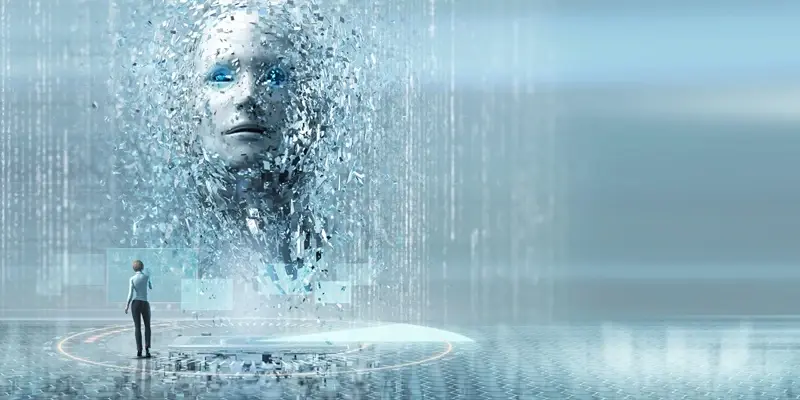
As artificial intelligence (AI) continues to make significant inroads into various sectors, the realm of digital marketing has not been left untouched. One of the captivating advancements within this domain is the emergence of AI-driven influencers—virtual personas designed to interact with audiences, advocate for brands, and even influence consumer behavior. These AI influencers have captured the imagination of both marketers and consumers alike, raising the question of whether they can truly replace human influencers, especially in terms of authenticity and emotional connection.
The Emergence of AI Influencers
In recent years, AI influencers such as Lil Miquela and Noonoouri have garnered immense popularity and substantial followings on social media platforms. These virtual entities are meticulously crafted by AI algorithms, enabling them to present a polished and consistent image, devoid of the unpredictability that often accompanies human influencers. Their appeal to brands lies in their ability to provide a controlled and reliable marketing tool that can be manipulated to fit the brand’s exact specifications.
The predictable nature of AI influencers makes them an attractive option for companies looking to maintain a stable and scandal-free brand image. Unlike human influencers, AI personas do not have off-days, do not engage in behavior that could potentially harm the brand’s reputation, and can promote brand narratives without deviation. This level of control and predictability presents a novel way for brands to engage with their target audience while minimizing risks associated with human unpredictability. Consequently, AI influencers are increasingly being seen as a viable alternative to their human counterparts in certain marketing scenarios.
Advantages of AI Influencers
One of the most significant advantages of employing AI influencers is the reduction in marketing expenses. Traditional influencer marketing often requires substantial investment in sponsorship deals and contracts. In contrast, AI influencers do not command high fees for endorsements or require expensive partnership deals. This cost-effectiveness can provide substantial savings for brands, allowing them to allocate resources more efficiently.
Another notable benefit is consistency and scalability. AI influencers can work around the clock without the need for breaks, pay raises, or other human necessities. This allows brands to continuously engage with their audience, maintaining a constant presence across various platforms. Furthermore, AI influencers can be easily scaled to handle multiple campaigns simultaneously, ensuring that the brand message is uniformly disseminated across different market segments.
Additionally, AI influencers enable brands to have complete control over their messaging. Companies can script every aspect of an AI persona’s interactions, ensuring alignment with brand values, tone, and marketing objectives. This level of control mitigates the risks of off-brand behavior or controversial opinions that could arise from human influencers, thereby safeguarding the brand’s reputation. With AI influencers, companies can also hyper-personalize content for targeted audience segments, optimizing their reach and effectiveness in diverse markets.
The Limitations of AI
Despite these compelling advantages, AI influencers inevitably fall short when it comes to authenticity and emotional connection. Human influencers possess an intrinsic ability to convey genuine emotions and build trust with their audience—qualities that are crucial for fostering deep, meaningful connections. The lack of genuine emotional engagement with AI influencers often results in a disconnect between the virtual persona and the audience.
Human influencers thrive on spontaneity, raw moments, and unscripted interactions that resonate with followers. These elements of authenticity and relatability are challenging for AI to replicate convincingly. As a result, AI-generated content may come across as overly polished or robotic, lacking the genuine human touch that captivates and engages audiences on a deeper level.
Moreover, the scripted nature of AI influencers limits their ability to improvise and respond to real-time trends and audience feedback. Human influencers can harness their personal experiences, creativity, and insights to adapt their content dynamically, thereby maintaining relevance and immediacy. This adaptability allows human influencers to remain engaging and relatable—a feature that AI personas struggle to achieve convincingly.
The Strength of Human Influencers
The inherent strengths of human influencers lie primarily in their ability to build trust and authenticity with their followers. The human element in influencer marketing—where real individuals share their personal stories, struggles, and triumphs—creates a powerful emotional bond with the audience. This emotional resonance is instrumental in establishing a loyal and engaged community that AI influencers find hard to replicate.
Social media platforms thrive on genuine engagement and community building, areas where human influencers excel. They can respond to comments, hold live interactions, and share authentic moments that make followers feel connected and valued. These organic interactions are vital in fostering strong, loyal relationships that can withstand the test of time.
Human influencers are also adept at offering unique perspectives and insights that are often rooted in their personal experiences. This ability to provide tailored advice, opinions, and recommendations adds a layer of credibility and relatability to their content. Influencers who can adapt to trends in real-time, leveraging their creativity to produce fresh and engaging content, maintain a distinct edge over AI personas. Brands often rely on these personal narratives and authentic endorsements to connect with their audience on a more profound level, cultivating trust and driving conversions.
Consumer Preferences
Despite the ongoing experimentation with AI influencers, consumer preferences still lean heavily towards human influencers. A survey conducted in 2024 revealed that 78% of consumers trusted human influencers more than AI-generated ones when making purchase decisions. This statistic underscores the preference for authenticity and genuine human interactions in influencing consumer behavior.
Brands like Nike and Gymshark continue to place considerable emphasis on human influencers to maintain a personal touch in their marketing strategies. These companies recognize the importance of leveraging real, relatable, and trustworthy individuals to build lasting relationships with their audience. The inclination towards human influencers highlights the significance of authenticity in driving successful marketing campaigns.
While AI influencers offer numerous benefits, the emotional connection and trust fostered by human influencers remain critical in shaping consumer perceptions and driving purchase behaviors. This reliance on human authenticity in marketing underscores the limitations of AI personas in scenarios where genuine connections and emotional engagement are paramount.
A Hybrid Approach
Experts like Hikari Senju advocate for a hybrid approach that marries the efficiency of AI with the storytelling prowess of human influencers. By leveraging AI tools for content creation and optimization, influencers can streamline their workflows while preserving their authentic voice. This approach not only enhances productivity but also ensures that content remains relatable and engaging.
AI can assist in various facets of content creation, such as editing, captioning, and engagement optimization, facilitating a more efficient production process. Influencers can utilize AI-driven tools to predict engagement patterns, tailor content for specific audience segments, and optimize posting schedules. However, the core elements of creativity, personality, and authenticity remain firmly within the realm of human influencers.
This symbiotic relationship between AI and human influencers is perceived as the future of digital marketing. By combining AI’s analytical capabilities with human creativity and storytelling, brands can achieve a balanced approach that leverages the strengths of both. Influencers who integrate AI tools to enhance their efficiency while maintaining their personal touch are likely to remain relevant and successful in the evolving landscape of influencer marketing.
The Future of Influencer Marketing
As artificial intelligence (AI) continues to revolutionize numerous industries, digital marketing remains no exception. One of the most intriguing developments in this field is the rise of AI-driven influencers. These virtual figures are crafted to engage with audiences, promote brands, and shape consumer behaviors. Both marketers and consumers are fascinated by these AI influencers, leading to the ongoing debate on whether they can fully replace human influencers. The central issues here revolve around authenticity and the capacity to forge genuine emotional connections. While AI influencers can simulate interactions and provide consistent brand messaging, it remains uncertain if they can match the nuanced emotional depth and credibility that human influencers offer. These AI personas show great potential by providing scalable and highly controlled marketing tools. However, many argue that the human touch, with its authenticity and innate ability to connect on an emotional level, cannot be entirely replicated by machines. As AI technology evolves, it will be essential to strike a balance between leveraging the benefits of AI influencers and preserving the invaluable human elements in marketing. The future might not see AI completely replacing humans but rather, both working in tandem to create richer, more compelling marketing experiences.